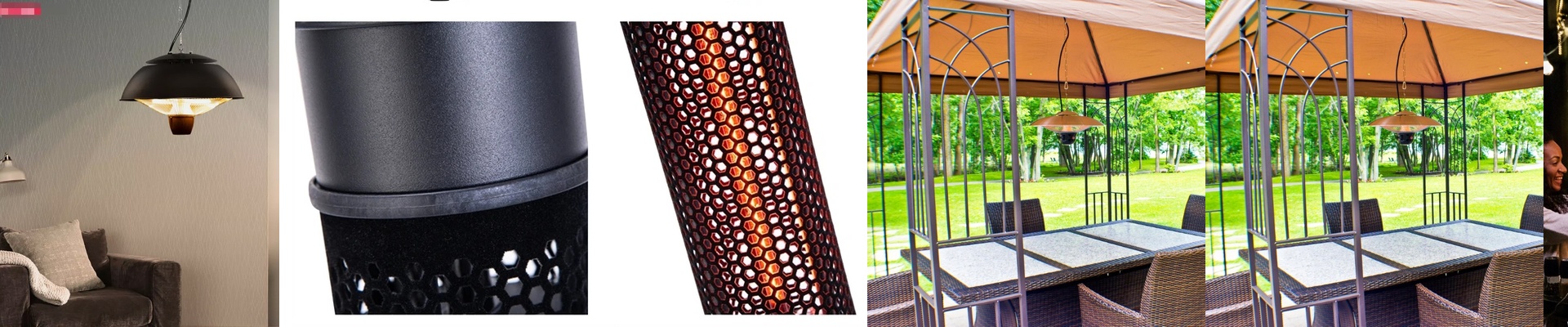
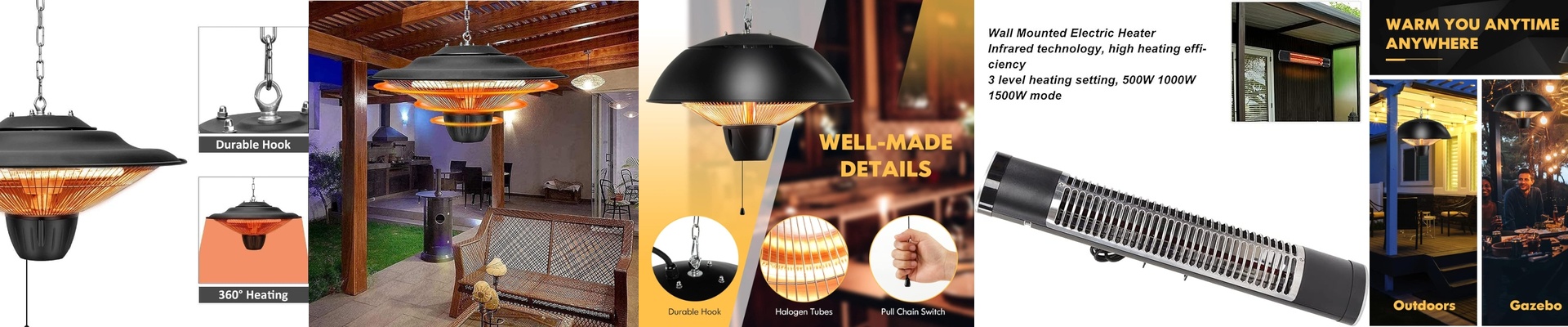
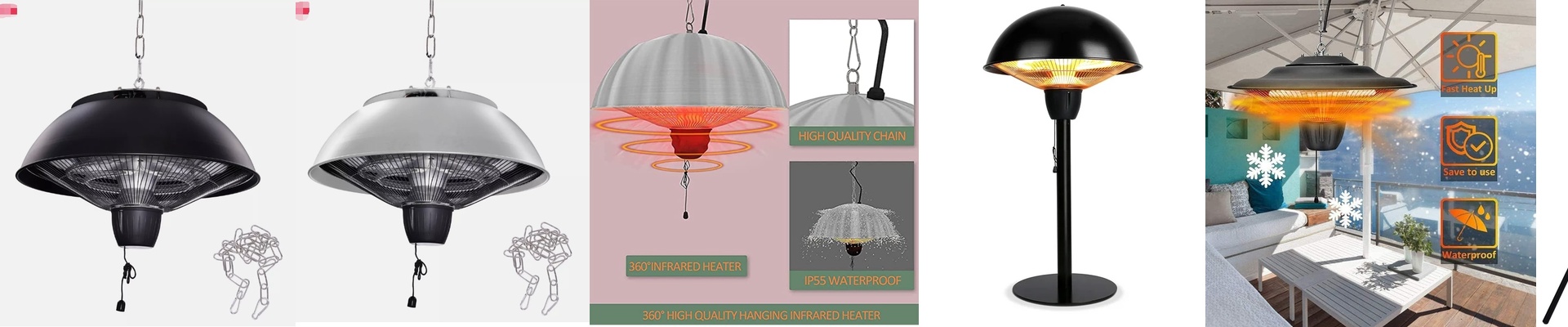
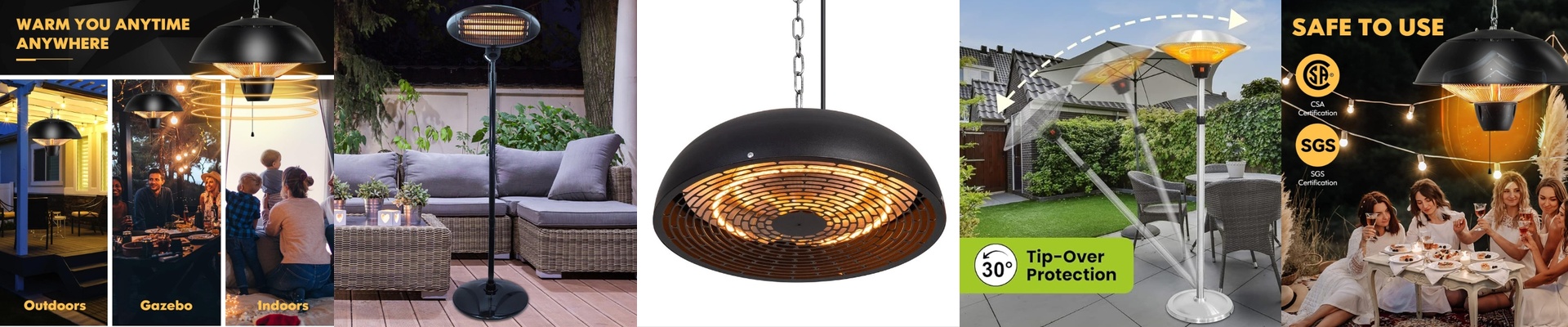
Why we build our heaters to be easy to fix
Let’s be honest: outdoor patios are brutal on gear. Between the salt air, the rain, and those wild temperature swings, your heating elements are basically fighting a losing battle from day one. Eventually, a tube is going to burn out. Maybe it takes five years, maybe it takes two. But when it happens, the last thing you want is to throw away a perfectly good chassis or spend your entire afternoon fighting with a nightmare of a circuit board.
The “Plug and Play” Approach
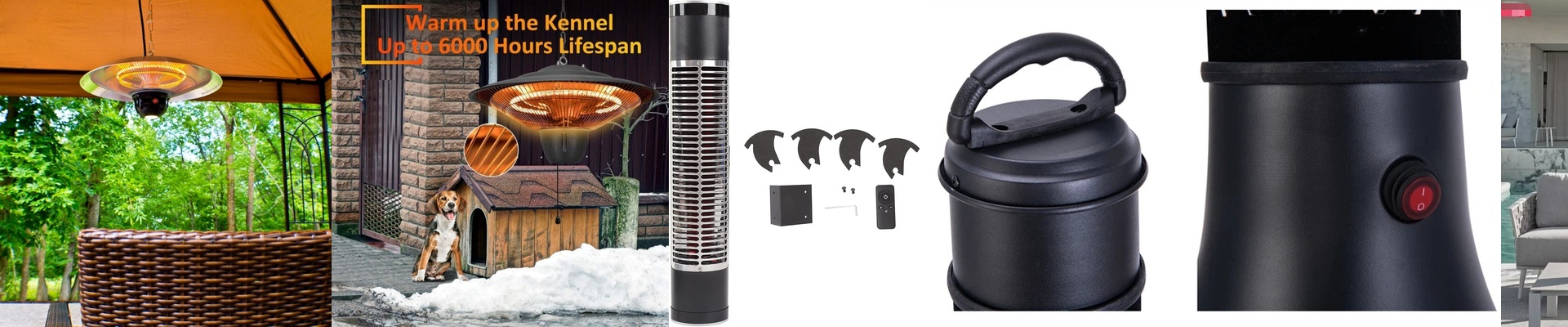
We decided to stop overcomplicating things. Instead of making you solder connections or hunt for some weird, proprietary screw, we built our infrared modules to be drop-in replacements. It’s a simple clip-and-plug setup. When a module dies, you just pull the old one out, slide the new one in, and you’re back in business. It takes minutes. No specialized toolkits, no stressful on-site troubleshooting. We did the hard engineering at the factory so the person fixing it in the field doesn’t have to.
Keeping the Water Out (Without Melting the Brains)
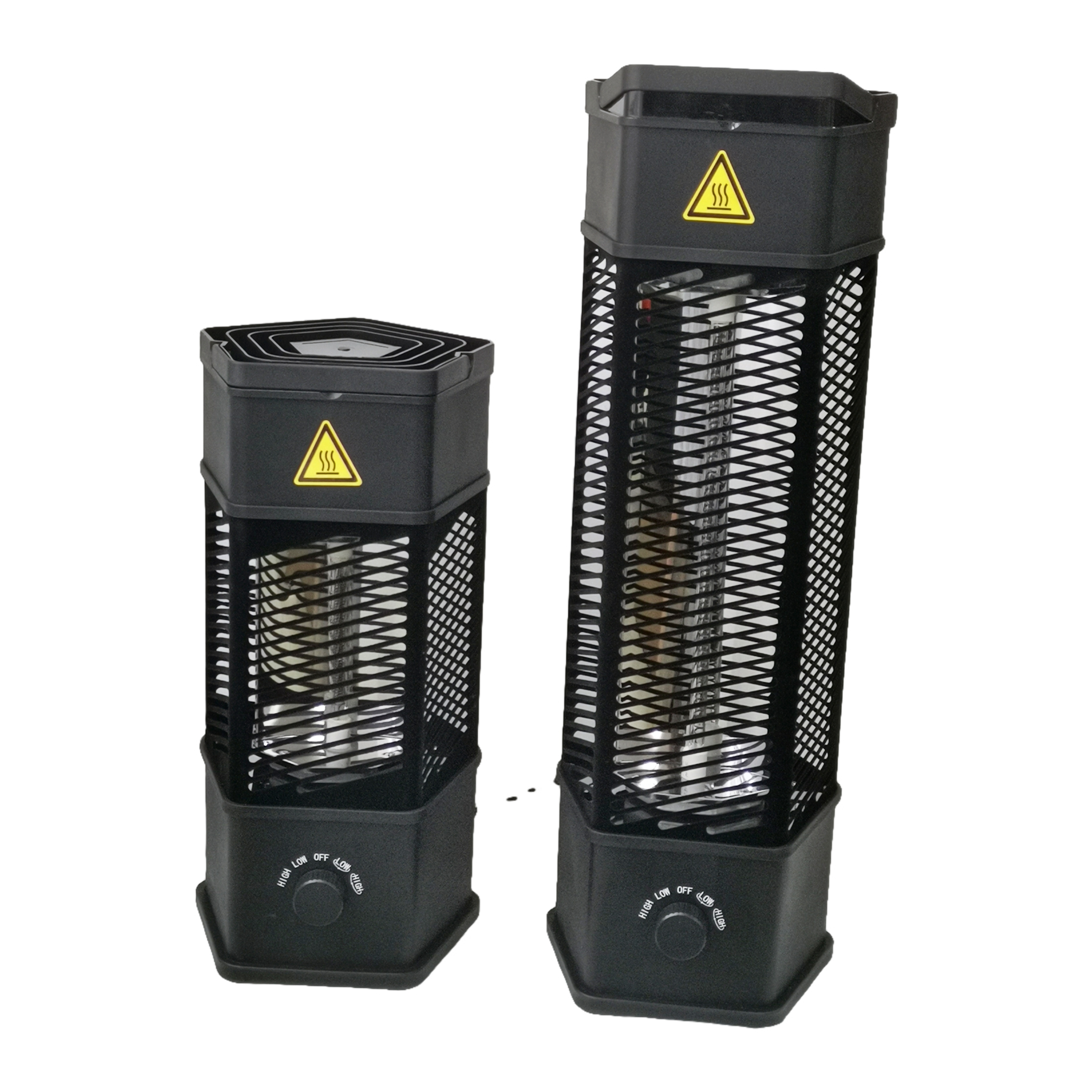
Waterproofing outdoor units is always a bit of a balancing act. You need a tight seal to keep the rain out of the electricals, but if you seal it too tight, you trap the heat and fry the control board. To fix this, we use IP-rated housings that keep the moisture away from the terminals, but we added vented heat sinks. It lets the unit breathe while keeping the guts dry. It just works.
The Trade-off
Here is the honest truth: a modular system is a little bulkier. You lose that ultra-slim, “designer” look in exchange for something you can actually maintain. But in a busy commercial bar? That’s a trade I’ll make every single time. A heater that’s easy to fix stays on. A “sleek” integrated unit that can’t be repaired is just expensive landfill the second a quartz tube cracks. If you’re picking gear for a high-traffic spot, focus on how fast you can swap a part. Because the faster you get the heat back on, the less your customers are shivering.