

Why Your Bathroom Heater Is Actually a Drying Machine
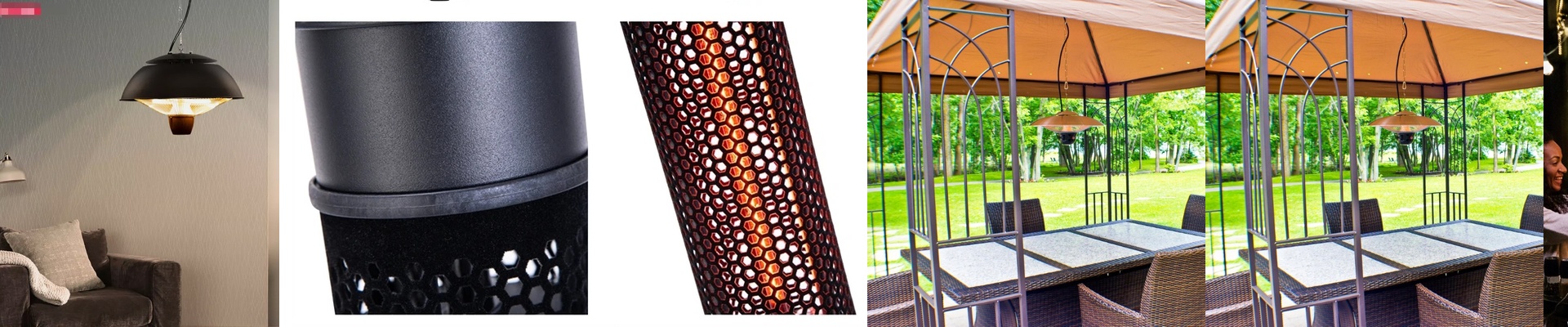
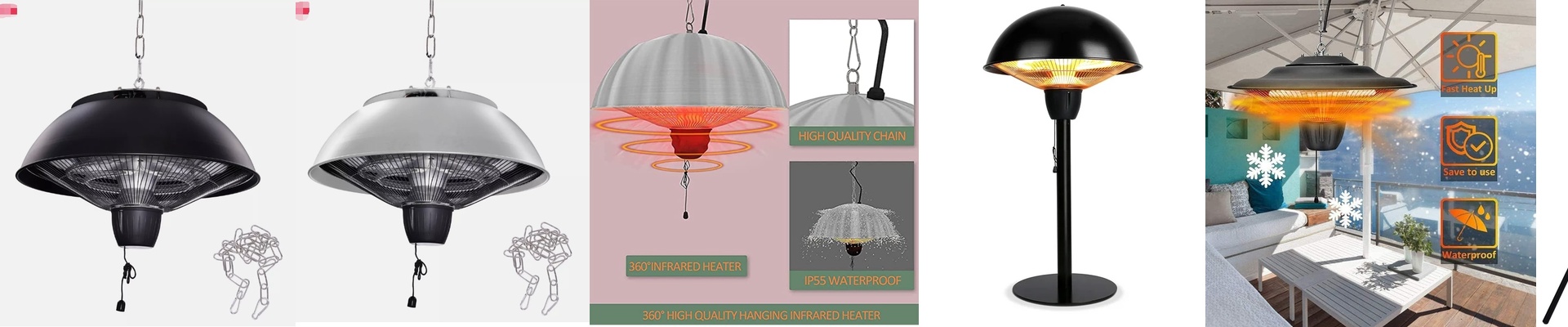
Most of us just think of those bathroom heat lamps as a way to keep from shivering while we get dressed. But if you look under the hood, there’s some pretty cool stuff happening. It isn’t just about making the air feel cozy; it’s actually about fighting moisture. These lamps use shortwave infrared (IR) light. Instead of just warming your skin, they go after the dampness hiding in your walls and ceilings.
Drying from the inside out
Here is the secret: shortwave IR sinks deeper into materials than the heat you get from a standard radiator. When you flip the switch, the lamp quickly warms up the surfaces of the room. This makes the water trapped in your grout and paint evaporate way faster. It’s basically a stealthy way to dehumidify. You’re drying the actual structure of the room before mold even gets a chance to move in.
The gritty details
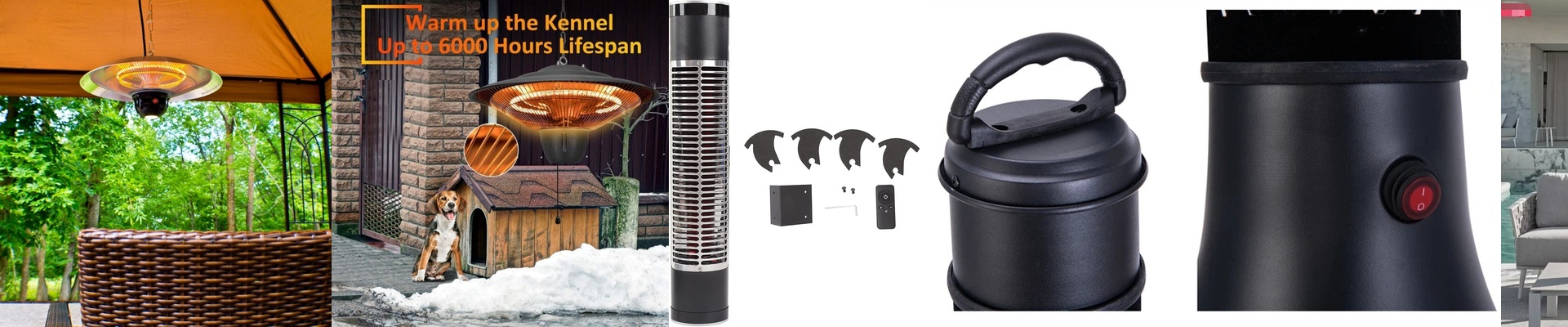
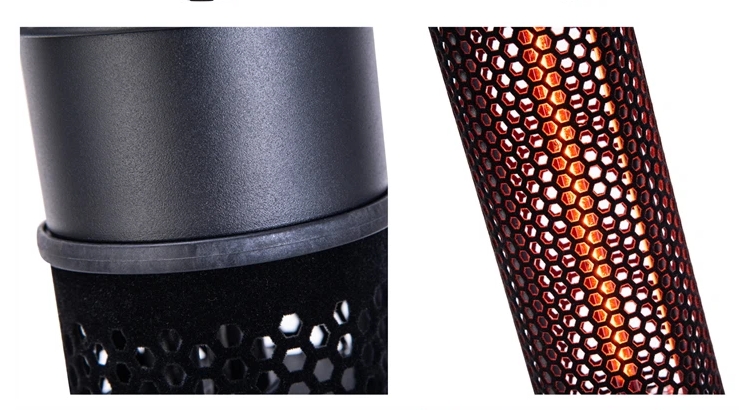
Since these things live in a splash zone, they’re built tough. The heating element is tucked inside a sealed quartz tube so it doesn’t blow the moment a bit of steam hits it. They pack a ton of heat into a tiny space. One quick heads-up:check your wiring. These lamps pull a decent amount of power. If your wires aren’t up to the task, the heat can actually wear down the insulation over time. Not something you want to mess around with.
A few things to watch out for
The best part about shortwave IR is that it’s instant. No waiting around. But that speed comes with a catch. The heat is intense and very localized. If you hang the lamp too low, it can feel like you’re standing under a heat lamp at a buffet—too hot. It can even warp plastic fixtures if they’re too close. You’ve got to find that sweet spot between the wattage and your ceiling height to avoid those annoying “hot spots.” And remember, the lamp dries the surfaces, but you still need a fan to push that damp air out of the house.