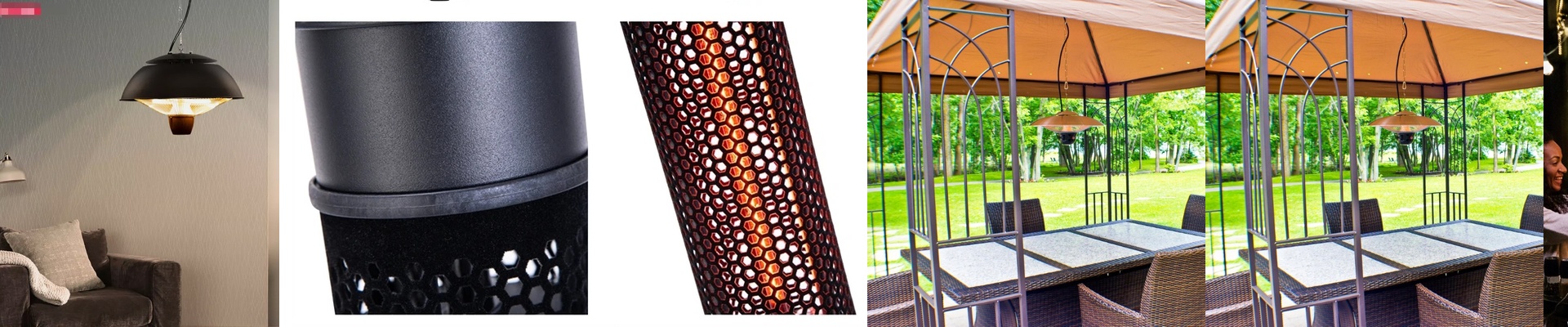

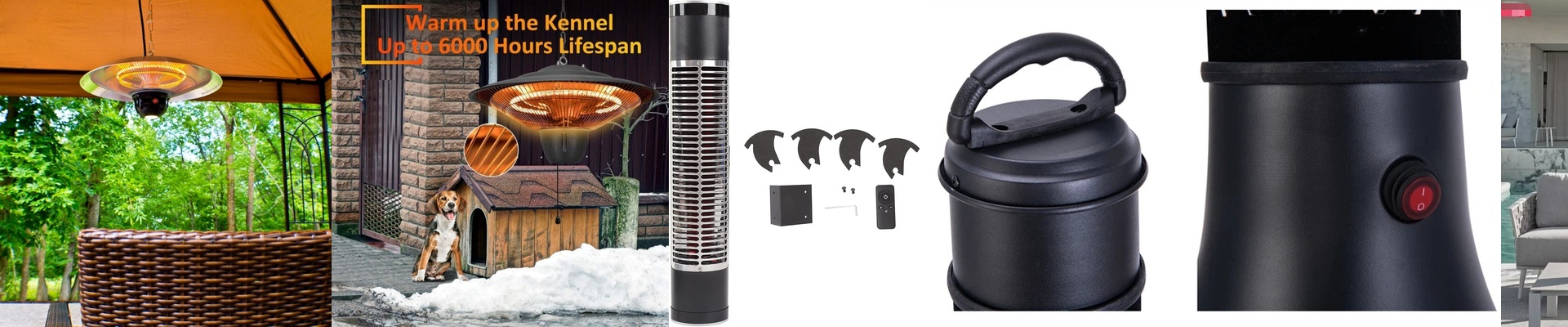
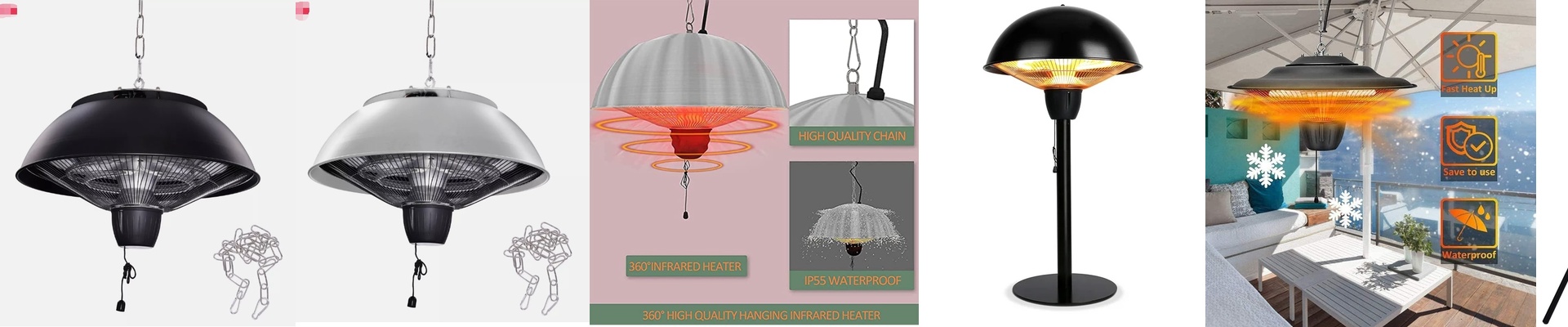
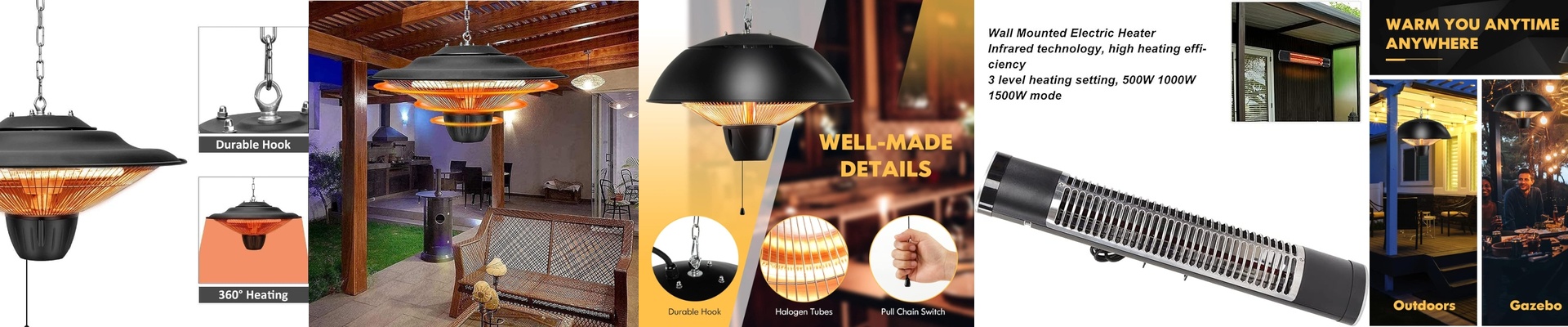
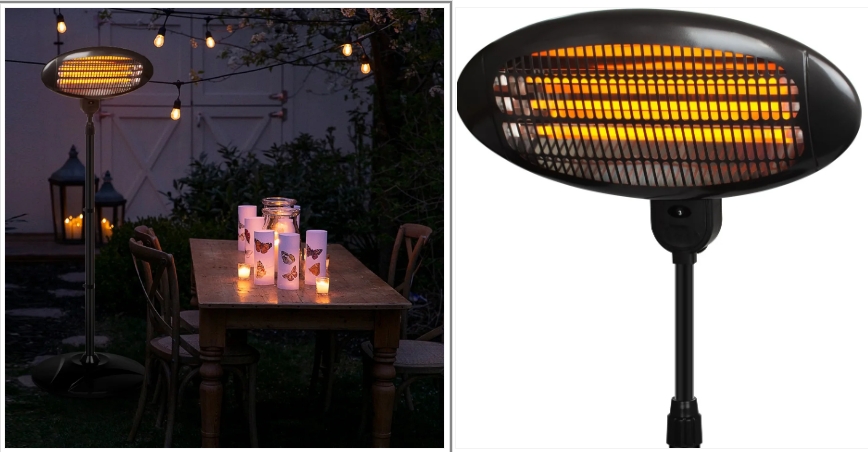
Why We Put Our Bathroom Infrared Heaters Through the Wringer
We make infrared heaters for the toughest spots around—think bathrooms and nightclub patios. Places where moisture never takes a day off and the conditions are just plain brutal. So, you might wonder, why do we put every single unit through punishing, humid aging tests instead of just boxing them up as soon as they turn on? It comes down to one thing: survival in the real world. In these environments, a heater that makes it through the first month isn’t lucky. It’s earned.
The Power, the Voltage, the Fit
These heaters are all about giving you warmth, right where you need it, with almost no wait. We match the electrical specs to industrial setups, so they work smoothly with existing control panels and wiring. And the length? It’s intentional. It keeps the heat focused in a tight zone, so you don’t have to rework your whole space just to make it fit.
What’s Inside: The Good Stuff
Inside, a halogen element sits inside a tough quartz tube. This combo blasts out shortwave infrared that cuts right through cold air. The quartz tube can handle wild temperature swings, but moisture? That’s the real enemy. It attacks the internal parts and electrical connections. So we build the whole thing to be waterproof, with serious sealing on the end caps. The connectors are designed for a snug, secure fit that won’t shake loose. Because a weak connection in a wet place is just asking for trouble. We want a connection that stays tight, no matter what the water, temperature, and airflow throw at it.
From Patios to Bathrooms: Built to Last
For a patio heater at a club, waterproofing isn’t just about looks. Rain, splashes, and condensation are a constant threat. And for a bathroom heat lamp, the steam never stops. It will find any tiny weakness in a seal and exploit it. That’s why we run our heaters through that harsh aging test. It’s our shortcut to finding out how they’ll fail in the real world. We expose weak seals, material that shifts over time, and corrosion on contacts long before a unit ever leaves our factory. Yes, making things truly waterproof takes more work. It means more steps and tighter tolerances. But the payoff is peace of mind. You wire it in, and it just keeps working, season after season, no matter how humid it gets. That’s the whole point of the aging test. So you never have to deal with a soaked, broken heater out in the field.