


Why Most “Waterproof” IR Heaters Actually Fail
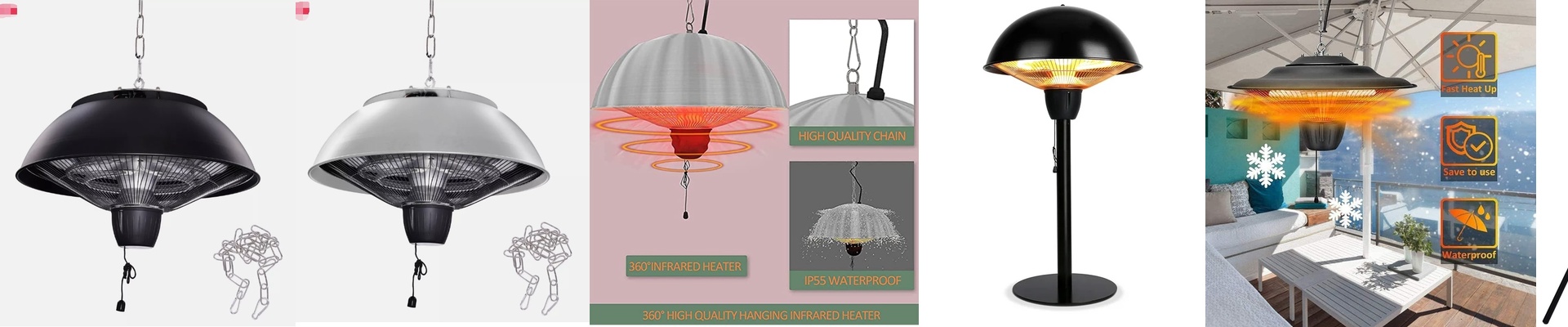
You’ve probably seen plenty of infrared heaters boasting an IP55 rating. On paper, they’re waterproof. In the real world? They often crap out the moment they actually get hot. The problem usually isn’t the outer shell. It’s the spot where the power cable meets the heating element. That lead-wire entry is the Achilles’ heel. Heat travels up the wire, and if you’re using cheap seals, they just shrink and crack. Once those tiny gaps open up, moisture crawls right in. Then comes the short circuit. Not a great look.
The struggle with heat and rubber
Most standard heaters use basic silicone or rubber gaskets. They’re fine for a while, but they can’t handle the constant “on-off-on” cycle of industrial heating. Here’s what happens: the metal lead and the sealant expand at different rates. Every time the heater ramps up, it pulls at the seal, creating microscopic holes. We do things a bit differently. We use high-temp fluoropolymer sleeves and specialized potting compounds to create a seal that stays tight even at 200°C. It stops that “wicking effect”—where moisture basically gets sucked into your electrical terminals like a straw.
Real craftsmanship vs. the “dip-and-dry” method
A lot of generic heaters use a “dip-and-dry” approach to sealing. It looks perfectly fine on a workbench, but it falls apart in a loud, messy production environment. Getting it right takes a bit more finesse. You have to nail the tension during the wire-crimping stage. If the lead is too loose, you’ve got a leak. Too tight? You’re putting way too much stress on the filament. We use high-strand copper and heat-resistant insulation to keep the footprint small. It means you can just swap the heater in without having to tear apart your entire housing or redesign your setup.
One quick heads-up
There is a trade-off. Because our sealing is tougher, the lead-wire is a bit stiffer. Just be careful when you’re installing them. Don’t bend the cables at sharp, aggressive angles. If you kink the wire right near the seal, you might ruin that IP55 protection. Just give it a gentle curve, and you’re good to go.