
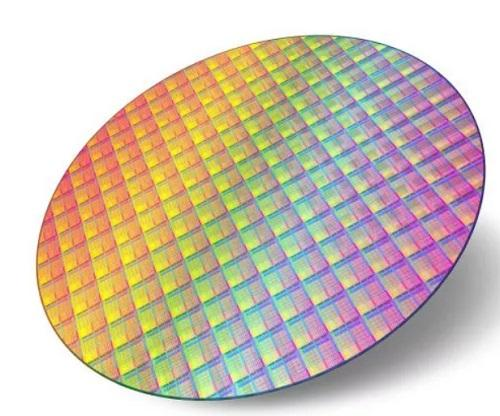
Stop Heating Your Machine and Start Heating Your Wafers
When you’re rinsing semiconductor wafers, you need heat. But the problem with most standard heaters is that they just blast energy in every single direction. It’s a mess. The inner walls of your equipment basically become giant sponges for heat. This means the outside of the cabinet gets hot enough to actually burn your operators—which is a nightmare—and you’re paying for electricity to heat metal parts that don’t need it. We fixed this by using directional infrared (IR) lamps. The trick is in the focus Think of it like the difference between a lightbulb and a flashlight. Instead of letting heat drift everywhere, these lamps use reflectors and special coatings to push the energy straight forward. The heat hits the target surface and stays there. You stop fighting “stray heat” and keep the energy on the wafer, leaving the machine’s skin cool to the touch. Built for the splash zone Rinse stations are wet. Period. If you put a standard lamp in there, it’s going to short out or burn through in no time. That’s why we use waterproof seals and connectors that don’t care about moisture. We also treat the quartz envelopes so they can handle the humidity and those nasty chemical vapors you find in a fab. It just holds up. A word of caution on heat flux Here is the trade-off: while the rest of the machine stays cool, you’re now concentrating a massive amount of energy onto a tiny area. You have to be careful. If your material can’t handle that kind of localized heat, it might warp. And timing is everything. If you’re off by just a few seconds, you risk overheating the wafer. It’s powerful stuff, so you’ve got to be precise. Setting it up The best part? Once you make the switch, you can stop over-spending on massive cooling fans just to keep the cabinet from melting. Your power bills go down, and your workspace becomes a lot safer for the people running the line. Just one tip when you’re wiring them up:get your alignment perfect. If your reflector is off by even 5 degrees, that hot spot shifts. Suddenly, you’re right back to heating the cabinet walls instead of the wafer. Take the extra minute to line it up right.