

The Real Secret to Keeping Outdoor Heaters from Shorting Out
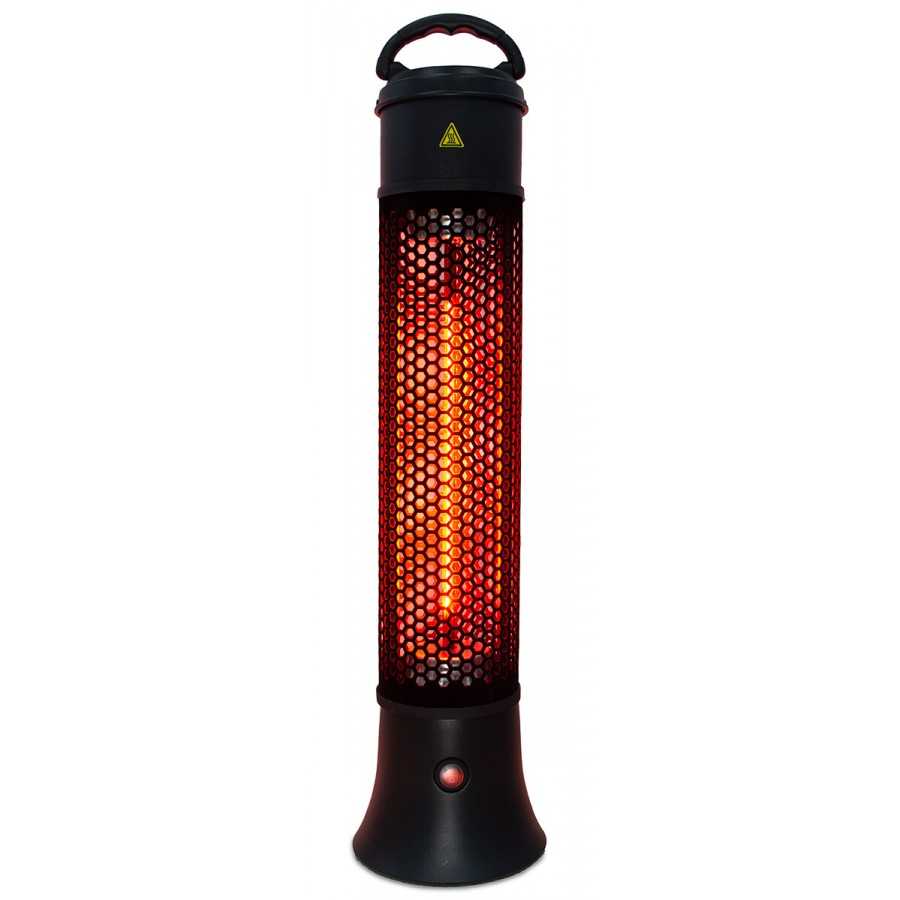
Outdoor infrared heaters live a rough life. One minute they’re blasting intense heat, and the next, they’re sitting in a cold rainstorm. For those IP66-rated units, the chassis usually holds up fine. But the lead-wire entry point? That’s where things usually go south. If that seal isn’t perfect, moisture sneaks in. Then, the moment you flip the switch and the heater cranks up, that trapped water flashes into steam. It eats away at the insulation and—boom—you’ve got a short circuit.
Why “Cheap” Seals Fail
I’ve seen this happen a dozen times. A budget sealant looks great on day one. But these heaters expand and shrink every time they cycle on and off. Eventually, the sealant cracks. We’re talking tiny micro-cracks you can barely see, but they’re plenty big enough for humidity to crawl through. Once that happens, the wire insulation gets brittle and breaks down. That’s why we don’t mess around with basic adhesives. We use high-temp silicone seals and specialized compression glands. It creates a mechanical grip that doesn’t shrink or pull away when the temperature swings. If you just glue it shut, you’re basically just waiting for it to burn out.
The Little Details That Matter
Keeping an IP66 setup safe really comes down to how the heating element meets the external cable. We make sure the lead wires are seated deep inside the sealed chamber. This stops the “wicking effect”—which is just a fancy way of saying water shouldn’t be able to hitch a ride along the wire jacket straight into your electrical terminals. Also, keep an eye on your wire gauges. If the leads are too thin, they’ll overheat right at the connection point, which kills the seal even faster. Stick with high-temp fluoropolymer or silicone-jacketed wires. They keep the footprint small but can actually handle the heat without melting.
The Trade-off
Here is the honest truth: the better the seal, the harder the repair. When you go with a fully potted lead-wire assembly, it’s a permanent deal. If a wire gets snapped or damaged, you can’t just peel back the seal and solder it. You’ll likely have to replace the whole assembly. It’s a bit of a toss-up. You either go for something easy to fix that might leak, or you build it to last a lifetime and accept that it’s not meant to be tinkered with. For most people, the reliability is worth it.