

Warehouses eat heat. You try to warm the whole building, and you end up heating empty aisles and cold corners—energy that just bleeds away. The fallout is predictable: uneven comfort, run-up bills, and workers who spend the day in gloves and jackets.
What matters, technically
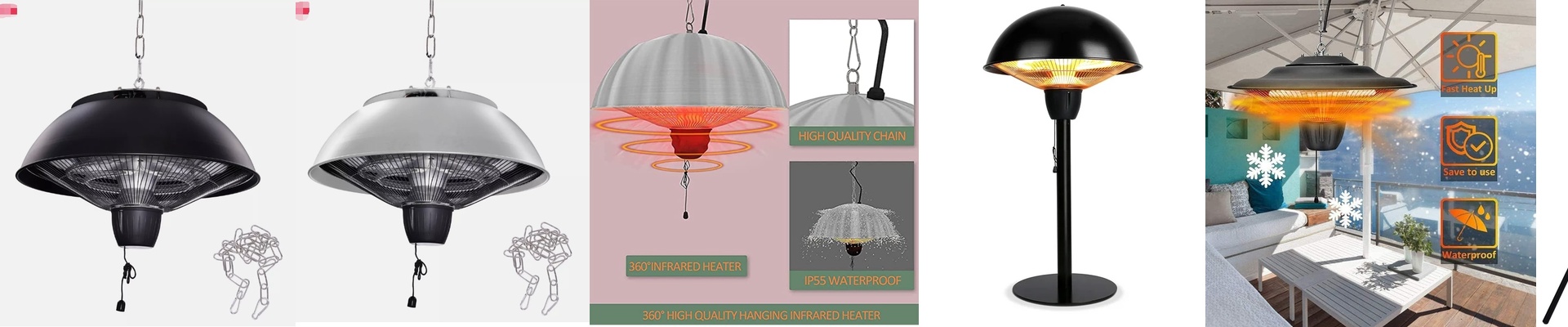
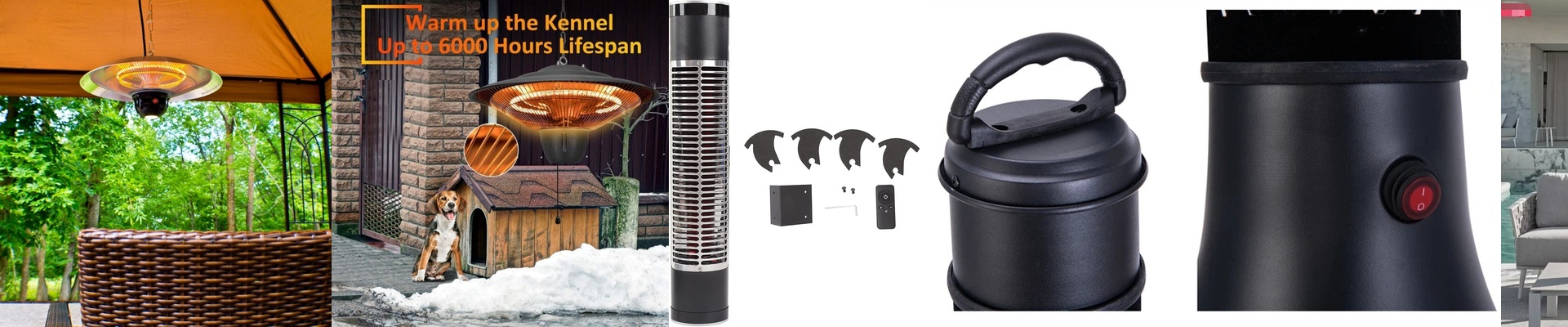
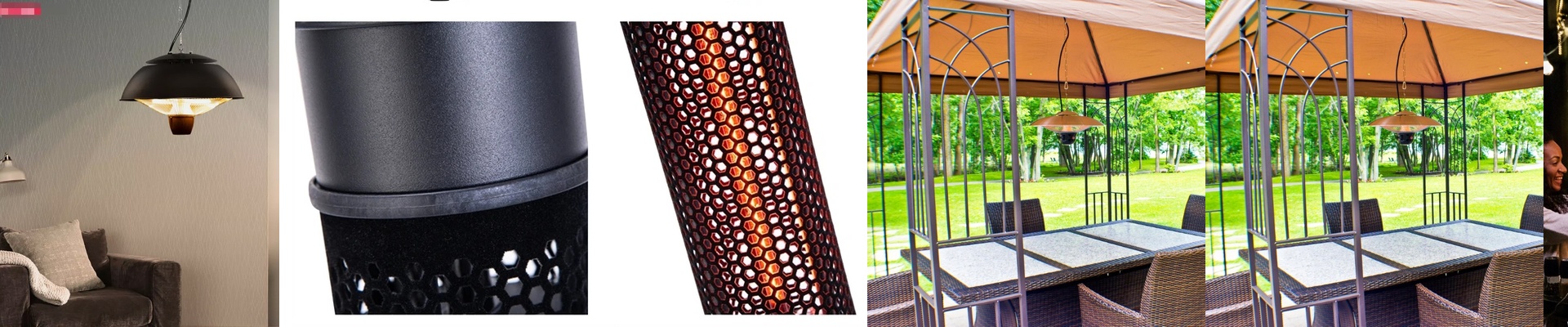
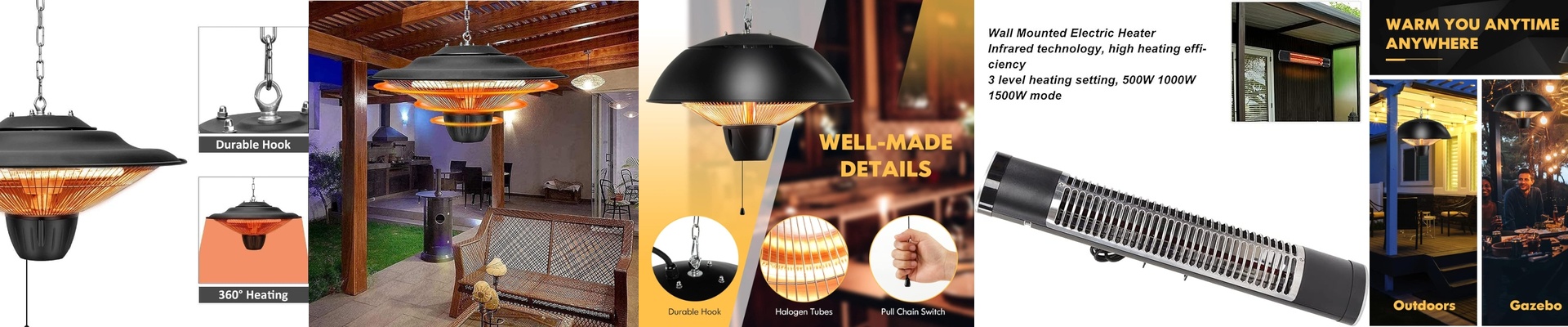
We built this hanging patio heater around radiant infrared warmth, using a high-output quartz tube. It turns electricity into direct heat, so the warmth projects outward in a focused beam instead of warming air that rises and disappears. People feel it fast—within seconds, not minutes. It’s meant for high-bay work, with adjustable brackets and a secure ceiling mount. A built-in thermostat holds output steady, and the housing is tough enough to shield the element from airflow and vibration.
Why this fits a warehouse
In a warehouse, you only need heat where people are. This heater gives you person-to-heat coverage—warmth lands on hands, shoulders, and feet, not on forklift lanes and storage racks. That focus cuts wasted energy and keeps the workday moving. When people stay comfortable, there are fewer breaks to warm up and fewer mistakes from cold hands. And because you’re not pushing warm air across a huge volume, operating costs come down compared to trying to heat the whole space.
What to keep in mind
Infrared heat is directional, so coverage comes down to mounting height and aim. Plan for overlap so no one gets stuck in a cold shadow, and keep the heater at a safe distance from stored materials. The unit needs a dedicated circuit and professional installation, and it performs best in sheltered indoor spaces or under covered outdoor areas.