

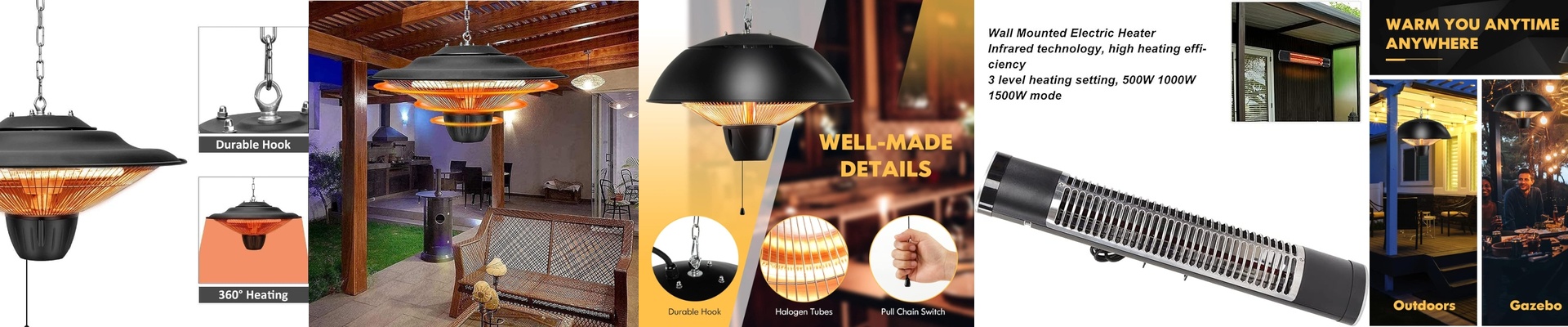
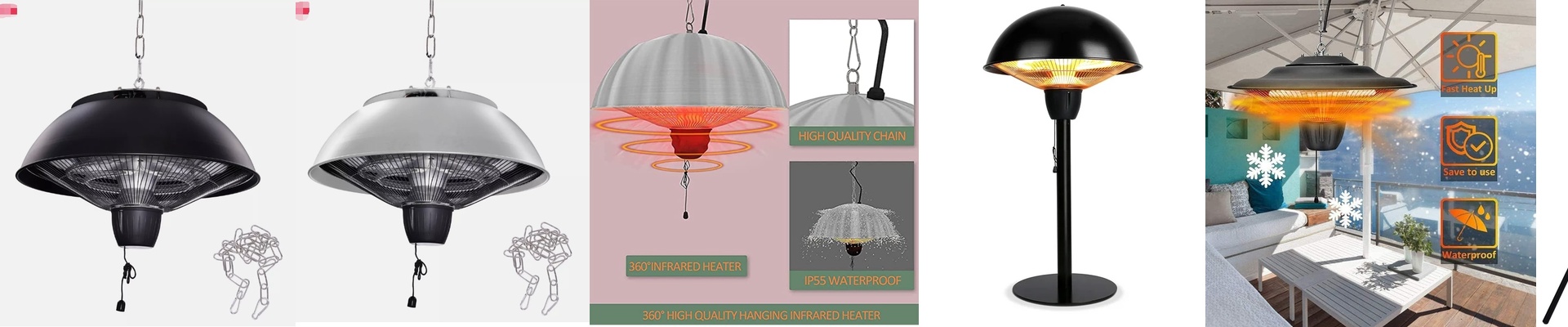
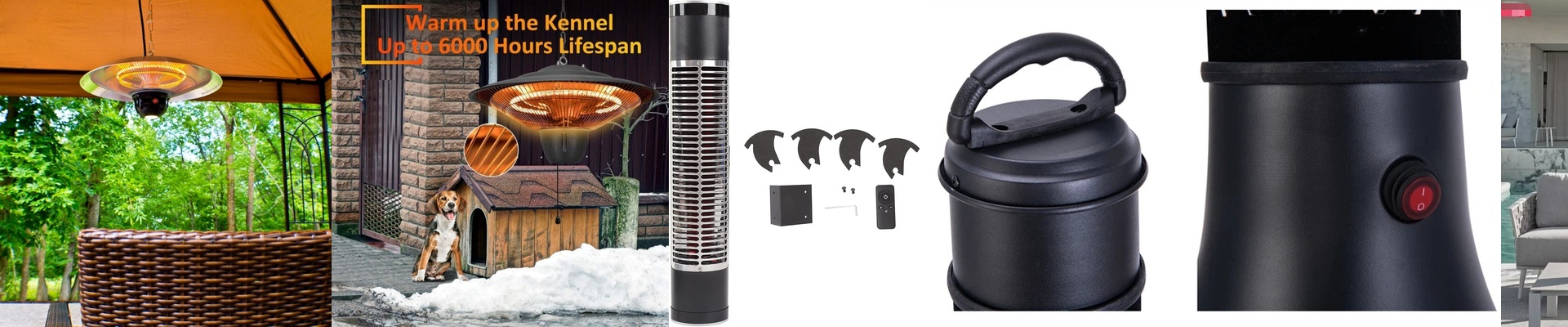
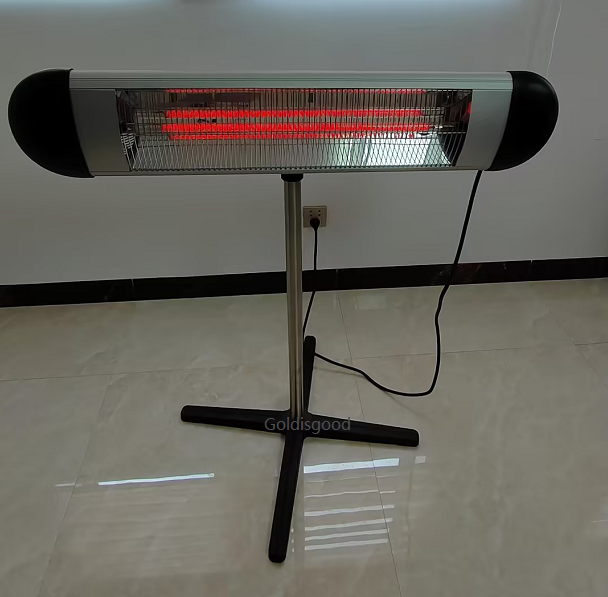
Why Your Outdoor Heaters Actually Die (And How to Fix It)
Putting infrared heaters in a pergola sounds like a great idea until the weather hits. You’ve got these things swinging from extreme heat to freezing rain and humidity. It’s a brutal cycle. Most of the cheap heaters you find online fail for one simple reason: the lead-wire seal gives up. The insulation cracks, moisture sneaks in, and—pop—you’ve got a short circuit.
The “Cheap Glue” Problem
Here is the thing about standard seals. Most of them are just basic adhesives or some low-grade silicone. They aren’t built for the constant “breathing” that happens when a heater turns on and off. As the metal expands and shrinks, that seal just pulls away from the quartz tube. In those “consumer-grade” builds, it’s usually just a bead of glue. Once a tiny gap opens, oxygen and water get in. The wire gets brittle, it snaps, or it starts arcing. Not exactly what you want hanging over your guests’ heads.
Doing it the Right Way
To stop that aging process, we do things a bit differently. Instead of just slapping some glue on there, we use industrial potting compounds and precision gaskets. We aren’t just covering the wire; we’re locking it in a waterproof vault. The stuff we use is rated for temperatures way higher than the lamp ever gets. This keeps the wire anchored and, more importantly, keeps the electrical path bone-dry.
The Trade-off
Look, nothing is invincible. The downside to this kind of heavy-duty sealing is that you can’t really “patch” it in the field. If a wire gets physically severed—say, by a freak accident—you can’t just twist some wires together and tape it up. You’ll have to replace the whole heating element. But for us? That’s a trade we’re happy to make. I’d much rather replace a part once every few years than have a heater trip the breaker every time there’s a light drizzle. Just a heads-up: if you’re installing these, make sure your junction boxes are just as tough as the heater leads. You don’t want a high-end heater connected to a cheap box, or you’ve just moved the weak link somewhere else.