
Cutting Carbon in MEMS Drying with IR
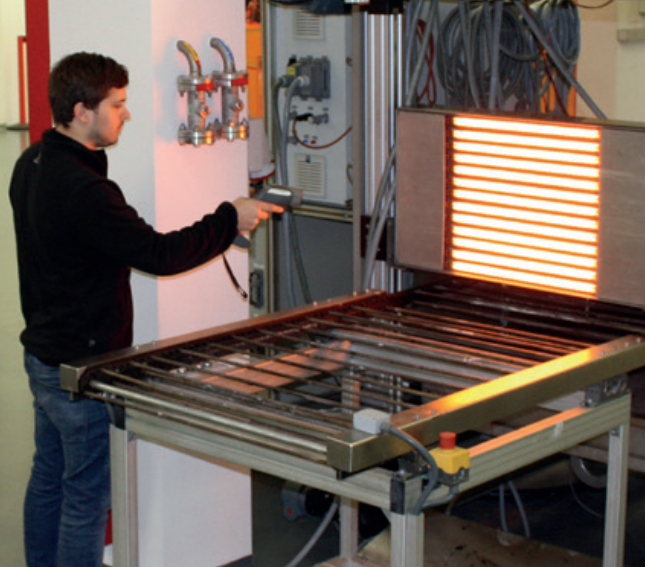
When you’re making MEMS sensors, getting the moisture off those wafers is a delicate dance. You need the water gone, but you can’t just blast it with heat or you’ll warp the whole thing. That’s why we use short-wave infrared (IR) lamps. Instead of heating up the air and the walls and everything else in the room, IR goes straight for the water molecules. It’s a direct hit. Stop heating the air. Think about a traditional convection oven. It’s a power hog. You’re spending a fortune just to get the chamber air hot before the wafer even feels a thing. IR is different. It focuses the heat exactly where it needs to go. This means your ramp-up time disappears. You aren’t burning kilowatt-hours just to wait for a machine to warm up. These lamps hit their target temperature in seconds. When the next lot isn’t ready? You just turn them off. No idling. No wasted money. The cleanroom struggle. In a MEMS environment, one tiny flake of dust is a disaster. It can kill an entire batch. To stop that from happening, we use high-purity quartz envelopes. They don’t shed particles, and they don’t outgas. But there’s a catch. To get that high heat density, you’re putting a lot of stress on the filaments. If you aren’t careful, they’ll burn out way too fast. We handle this by balancing the wattage with a steady stream of cooling air around the ends of the lamp. It’s all about that balance. The heat trade-off. Here is the tricky part: the faster you want your line to move, the more power you need. High-power lamps are great for throughput, but they get incredibly hot—especially at the sockets. If your cooling isn’t dialed in, you’re going to fry your wiring or toast your sensors. It’s a constant tug-of-war. You have to keep the hardware cool while keeping the wafer bone-dry. Switching to IR isn’t just a way to speed things up. It’s about getting rid of the bulk and the waste of forced-air systems. It’s a much cleaner way to hit those carbon-neutral goals without sacrificing your yield.