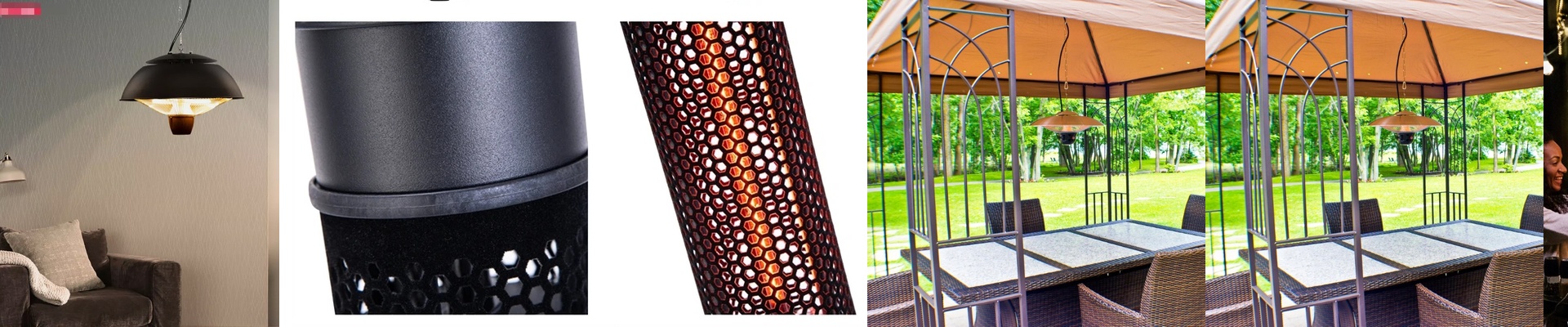
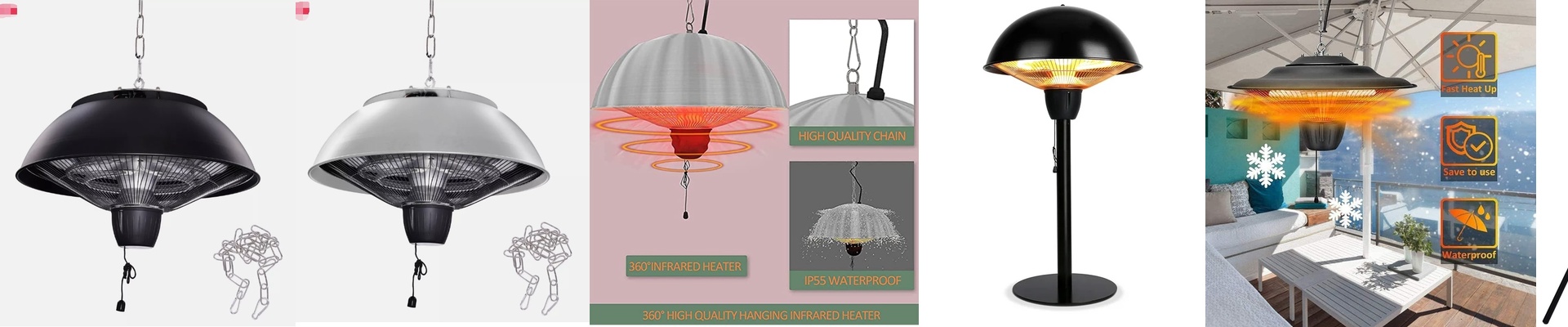
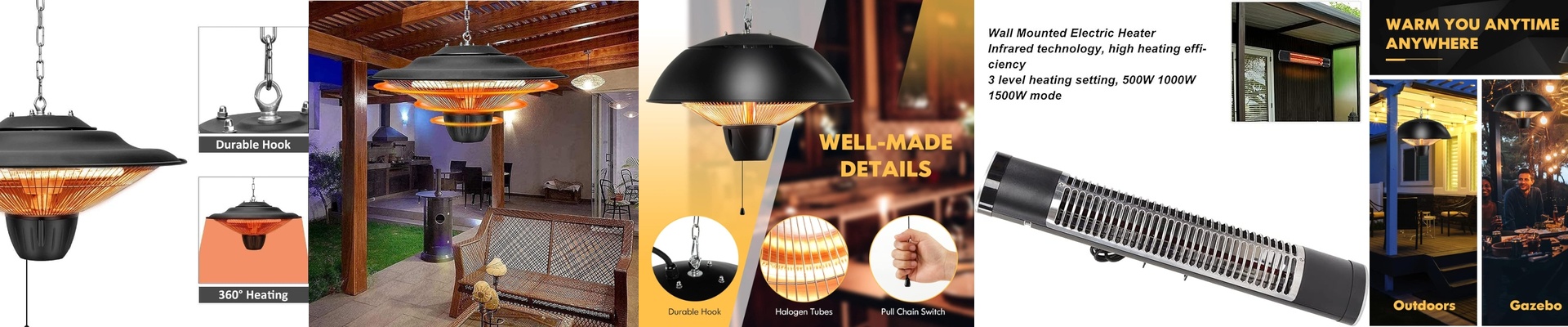
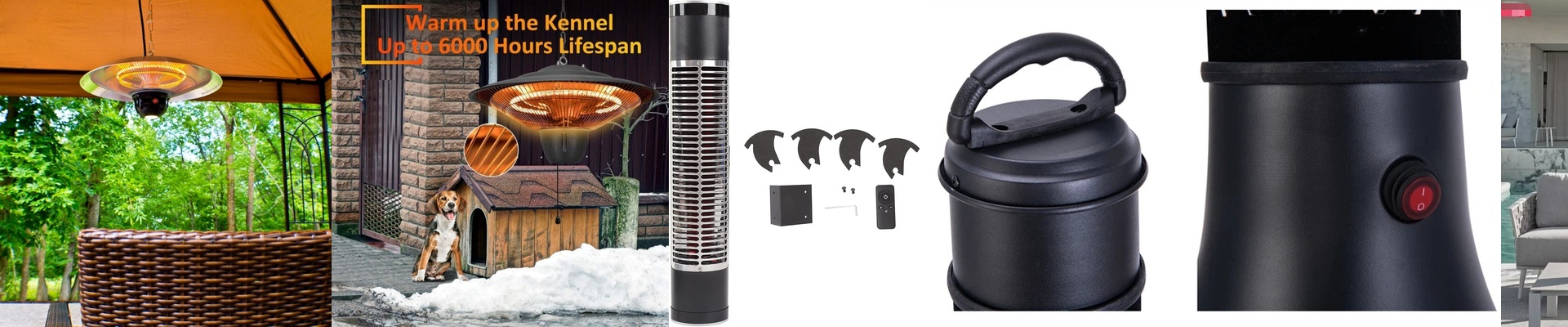

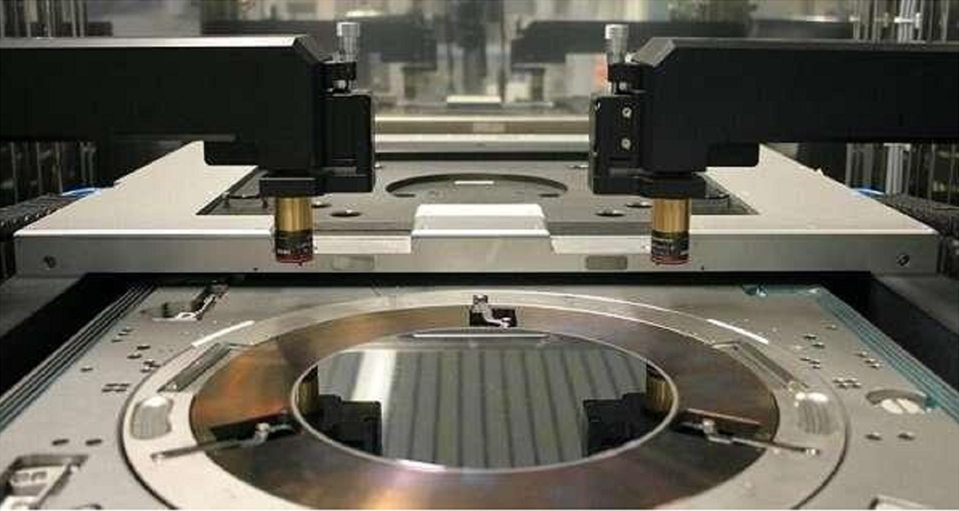
On the fab floor, temperature drift during the photoresist bake isn’t some academic exercise. It shows up as linewidth variation, poor adhesion, and wafers that end up in the scrap bin. In MEMS, where thermal budgets are tight and films are thin, you can lose yield on a 0.5°C excursion. You need a heater that holds setpoint like a vise, cycle after cycle. What matters under the hood Our MEMS fabrication infrared heater leans on short-wave infrared (SWIR) elements in a quartz-enhanced design, so it responds fast with radiant heat. Across the wafer, uniformity stays within ±0.1°C, and repeatability is measured in milliseconds, not minutes. It fits Class 1–100 cleanrooms and is built to generate zero particles—no outgassing, no shedding. Power delivery is stable, with tight voltage tolerance and consistent irradiance, so the thermal profile on photoresist stays predictable through soft bake and hard bake. Why it holds up in MEMS MEMS runs long, sensitive sequences: photoresist coating, soft bake, exposure, develop, hard bake, then on into packaging. With this heater, the hot plate holds temperature without hot spots or edge roll-off. The payoff is fewer rework lots, tighter CD control, and less scrap. Energy use drops because SWIR heats the wafer directly, not the surrounding hardware. Reliability is built for 24/7 operation, and the thermal cycling doesn’t beat the performance down. The practical details The heater integrates cleanly, but you have to align it to the wafer path and match the carrier’s emissivity. Expect a short commissioning window to tune power and dwell time for your specific resist stack. Once you nail those settings, the process stays locked.