
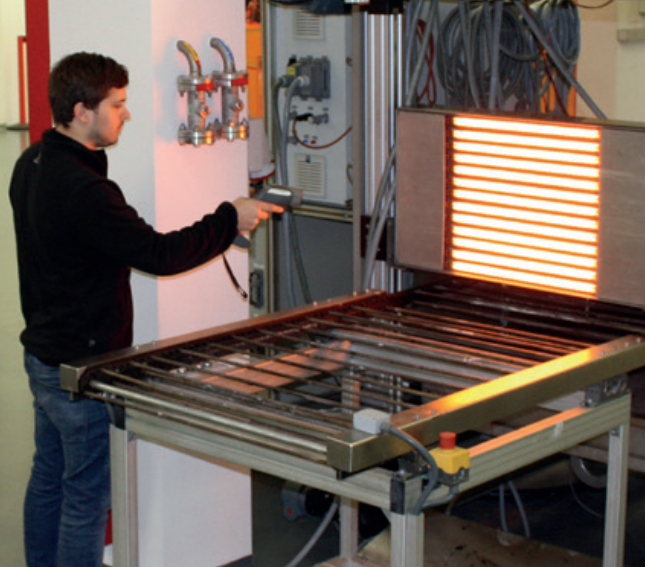
Keeping Things Safe When You’re Heating Flammable Chemicals
Let’s be honest: heating wafers in chemical baths is nerve-wracking. When you’re working with volatile, flammable solvents, the stakes are high. One tiny spark or a lamp that gives out at the wrong time, and you’re looking at a potential explosion. It’s a nightmare scenario. That’s why we don’t just build lamps—we wrap them in a protective shell. We isolate the electrical guts from everything else so the atmosphere around them can’t cause a disaster. The build quality matters. We use high-purity quartz glass for the envelope because it can take a massive thermal shock without cracking. But the real magic is in the seals. To stop chemical vapors from eating through the joints, we use glass-to-metal seals at the electrodes. Then, we wrap the ends in a flame-retardant potting compound. It’s basically a physical wall. It keeps those corrosive fumes far away from the energized pins where they could do some real damage. Staying cool under pressure. If your heat flux isn’t consistent, your whole wafer process falls apart. We’re very picky about the wattage because overheating the bath is a huge risk. If the lamp runs too hot, you might boil the solvent too quickly—or worse, hit the flash point. To stop that from happening, we pair the heaters with precision IR sensors. The sensor watches the wafer surface in real-time. If it sees a temperature spike, the controller just throttles the power back. Simple. A few things to keep in mind. Now, this extra protection does make the lamps a bit bulkier. You can’t just slide these into a standard open-air fixture and expect them to fit. You’ll need to double-check your mounting brackets to make sure there’s enough room for the protective sleeves. Also, the sealing changes how the lamp breathes. Because the heat doesn’t dissipate the same way, you’ll want to make sure your cooling fans or heat sinks are doing their job. If heat builds up around those sealed ends, the potting material could degrade over time. Keep them cool, and they’ll last.