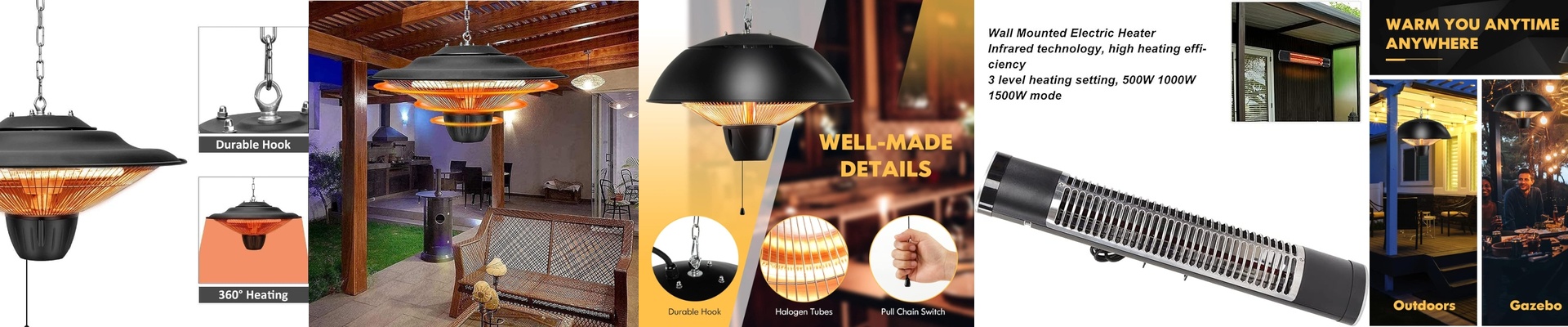

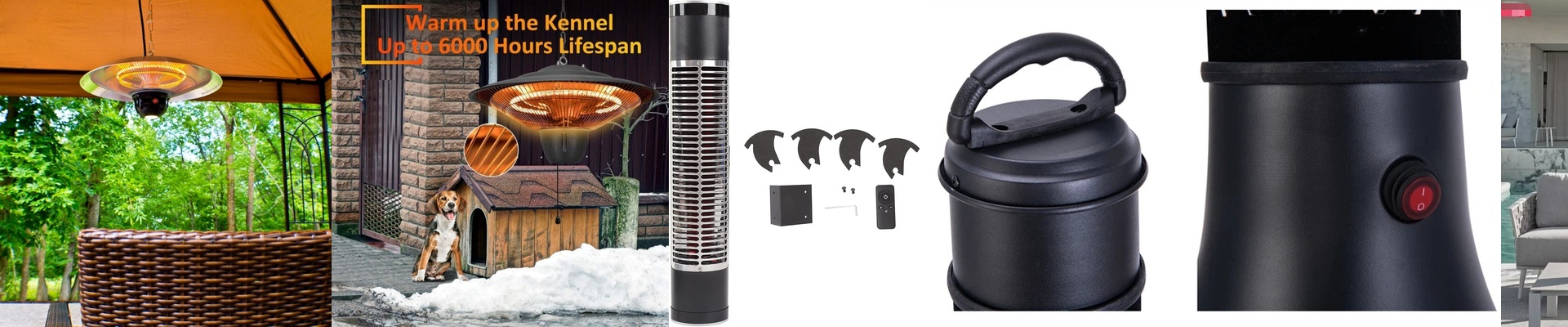
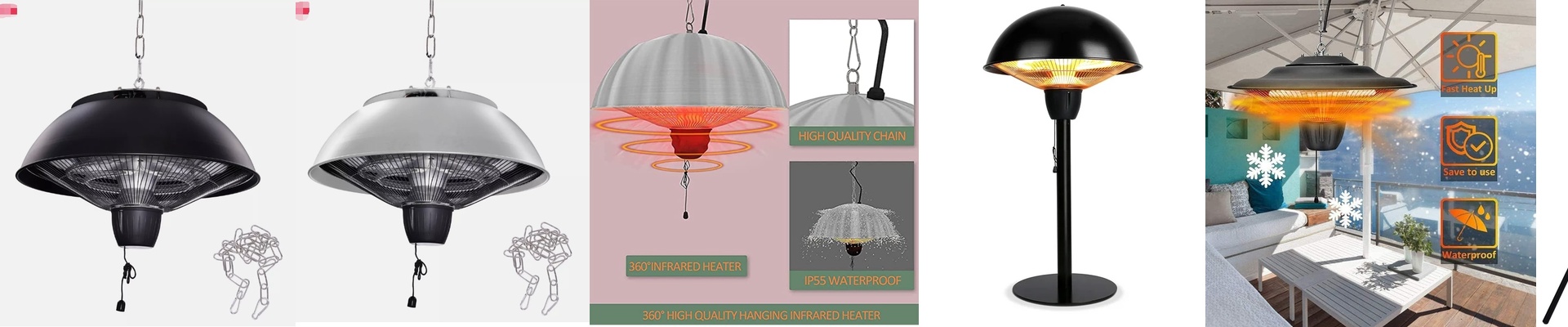

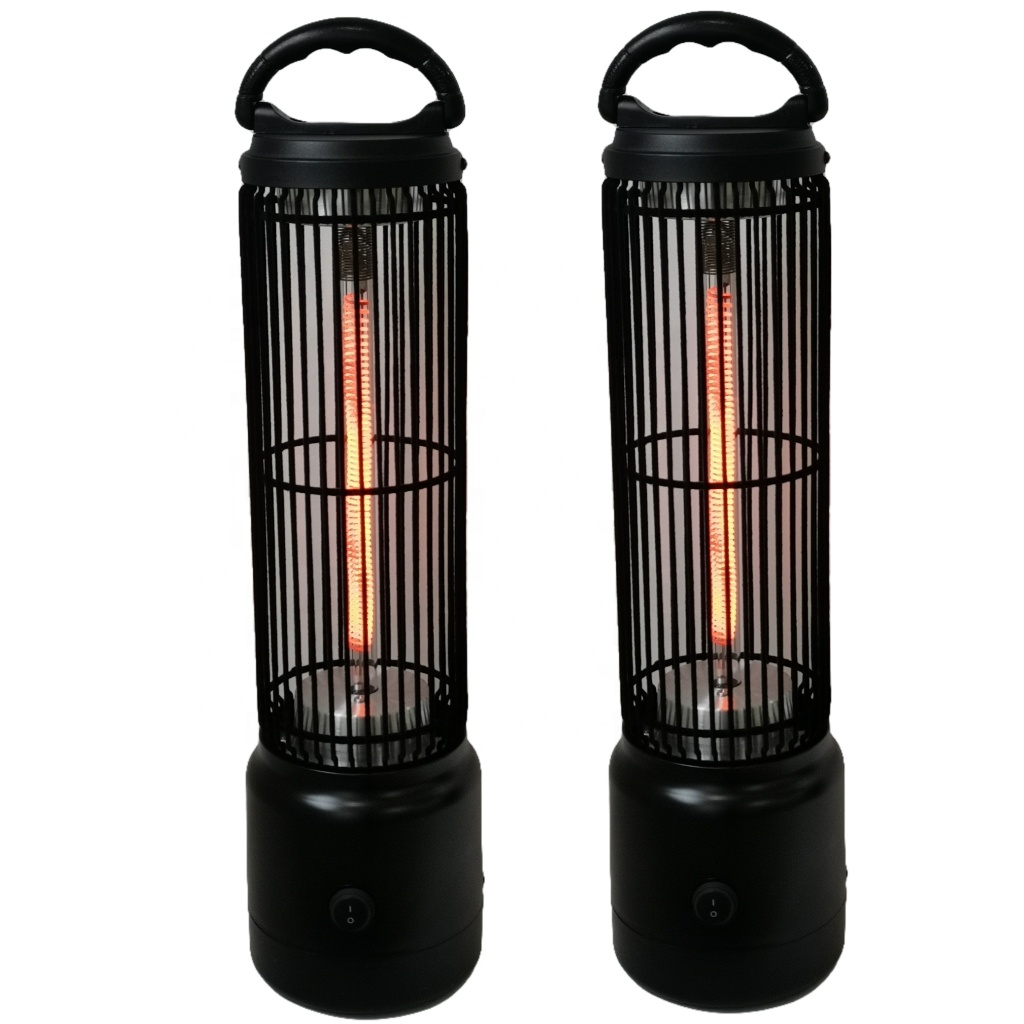
How to actually heat a wet zone without causing a disaster
If you’re trying to warm up a locker room or a shower area, you can’t just throw a high-wattage heater in there and hope for the best. You’re dealing with steam, humidity, and the occasional direct splash of water. That’s a recipe for a short circuit if you aren’t careful. That’s why we stick with IPX4-rated infrared heaters. It’s basically the only way to make sure the electronics don’t fry the moment things get damp. Why shortwave infrared? Here’s the thing about most heaters: they try to warm the air. But in a big, open wet zone, that warm air just floats straight up to the ceiling, leaving everyone on the floor shivering. Shortwave infrared is different. It doesn’t care about the air. It sends energy directly to the person standing under it. You feel the warmth almost instantly. It’s that immediate “ah, that’s better” feeling. The nitty-gritty on the IPX4 rating When we say “IPX4,” we just mean the unit can handle water splashes coming from any direction. We make this happen by sealing the chassis tight and using heavy-duty gaskets around the heating element. You can’t just use a standard lamp here—those are too open. We spec the internals so moisture never touches the terminals. Without that protection, you’re looking at rapid corrosion or, worse, an arc flash. Nobody wants that. A few things to watch out for during install These units pack a lot of heat into a small box. They’re fast, but they can be intense. If you mount them too low, it’ll feel less like a warm shower and more like a heat lamp at a buffet. You’ve got to get the distance between the emitter and the person just right so it feels comfortable, not aggressive. And please, don’t skim on the electrical side. You need a dedicated GFCI or RCD breaker for any damp-zone circuit. Even if the heater itself is splash-proof, your wiring still has to follow the local safety codes for wet areas. One last tip: check your circuit capacity before you go overboard on the wattage. If you don’t, you’ll just trip the breaker the second the lamps hit full power. Also, if you’re running long cables, keep an eye on your voltage drops so the heat stays consistent from the first lamp to the last.