
Why Your Bathroom Needs More Than Just “Warm Air”
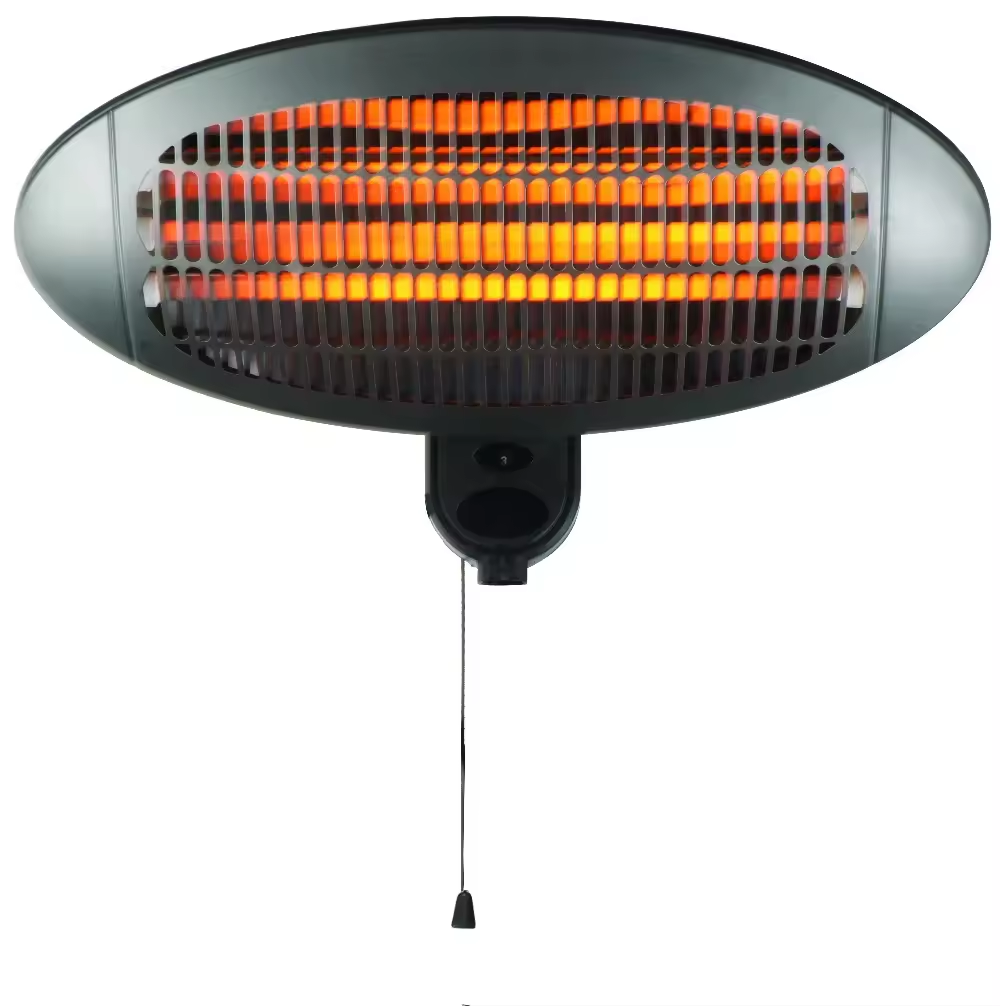
Most people think bathroom heat lamps are just there so you don’t freeze when you step out of the shower. But if you look at it from a technical side, it’s not really about the air. It’s about the walls. We use infrared (IR) emitters because they do something a regular heater can’t: they hunt down the moisture hiding in your tiles and grout. It’s the best way to stop mold before it even starts.
How it actually works
Here’s the thing. We aren’t just warming up the room. We’re targeting the water molecules themselves. Short-wave and mid-wave infrared rays soak right into the surfaces of your bathroom. This energy kicks the water molecules into high gear, pushing the dampness out of the walls and into the air. Once it’s in the air, your exhaust fan can actually do its job and pull it out of the house. By keeping those walls warm—specifically above the dew point—condensation never gets a chance to settle. No condensation, no mold. Simple as that.
The “Shower-Proof” Stuff
You obviously can’t just throw a random heater into a steam-filled shower. That’s a recipe for disaster. That’s why we use IP65-rated gear. In plain English? It’s dust-tight and can handle a direct blast of water without flinching. We use tempered quartz glass and heavy-duty sealed gaskets to keep steam away from the electrical guts of the unit. If those seals aren’t tight, the lamp will burn out or you’ll trip a breaker. This is why we’re so picky about how the gaskets are compressed during install. It’s the one detail that keeps everything running.
A few things to watch out for
These IR lamps pack a punch. They create a lot of heat in a very small area, which is great for drying a room in a few minutes, but it does put a load on your wiring. Just make sure your circuit breakers can handle the peak draw. And a quick tip: don’t mount them too close to plastic fixtures. They get hot—really hot—and you don’t want your trim warping. Aim for surface coverage, not a direct heat beam on your plastics.