

Stop the Shower: Keeping Your Wafers Clean When Lamps Fail
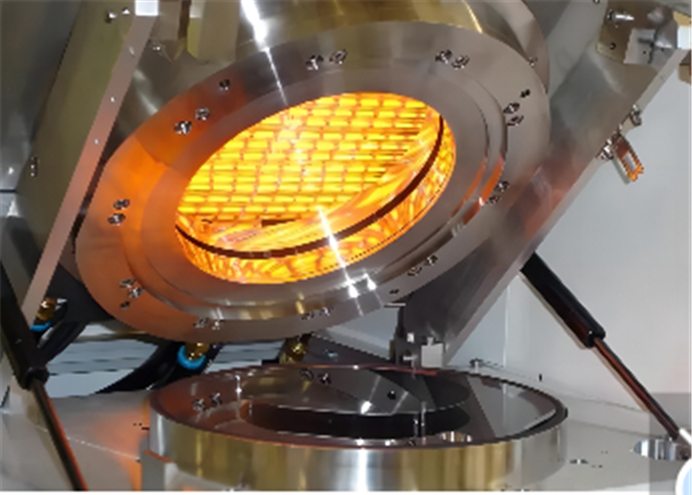
In a high-load semiconductor setup, a lamp bursting isn’t just a “technical glitch” or a bit of downtime. It’s a nightmare. Imagine a quartz tube snapping right over your wafers. You get this instant shower of particulates that ruins entire batches of silicon in a heartbeat. It’s expensive, it’s frustrating, and it’s exactly what we built our UHP heater lamps to stop. Why do these tubes actually snap? Usually, it comes down to thermal shock or those annoying localized hotspots. If you’re pushing more power density than the quartz can handle, the glass stresses out and just gives way. To fix this, we use synthetic fused silica. It has a much higher softening point, so it doesn’t panic under the heat. We also obsess over purity. Why? Because even a tiny bit of metallic impurity can create a “weak spot” in the glass wall. When you crank up the wattage, that’s where the crack starts. The “Safety Net” Approach We don’t just hope the lamp holds; we build a backup plan. First, we chemically scrub the UHP quartz to get rid of surface ions. Then, we add containment sleeves. Think of these as a physical shield. If the inner lamp burns out or cracks, the sleeve catches the shards and the dust before they ever touch your wafers. One quick tip: check your mounting brackets. If they’re even slightly off, they put mechanical stress on the ends of the lamp. In a high-load cycle, that’s often the hidden reason lamps fail way too early. The Honest Trade-offs Look, UHP lamps are the cleanest heat source you can get, but they aren’t magic. There are a few things to keep in mind. Because of the strict purity levels and the coatings we use, the infrared emission spectrum is a little different than what you’d see in a standard industrial lamp. You’ll probably need to tweak your PID controllers to get your temperature profile exactly where it needs to be. And a word of caution: if you push the wattage to the absolute limit just to get faster ramp-up times, your lamps won’t last as long. It’s a balancing act. You have to decide if that extra speed is worth a shorter window between maintenance stops.