




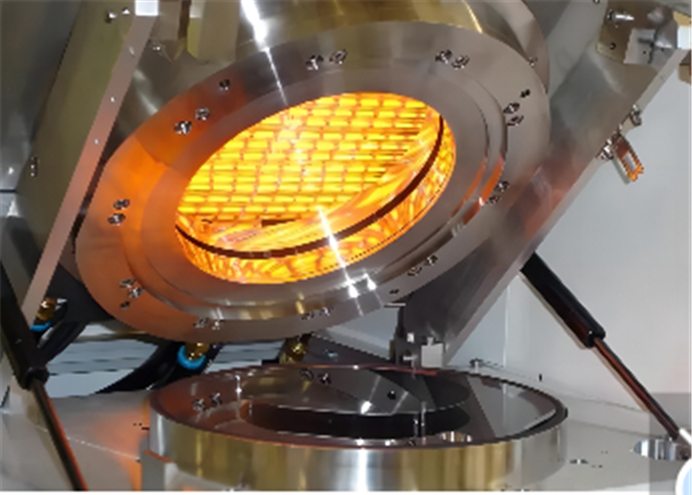
Why We Stress-Test Every Single Heating Element
When you’re running a fab drying line, the heating elements are taking a beating. The thermal stress is intense. All it takes is one tiny pinhole leak in the insulation or a hairline crack in a quartz tube, and you’ve got a catastrophic arc-over on your hands. That’s why we don’t gamble. Every single lamp and heating component goes through HiPot and insulation resistance testing before it even thinks about leaving our floor. The reality of dielectric breakdown In a fab environment, moisture and contaminants love to migrate toward high-voltage terminals. If that insulation gives way, the current jumps straight to the chassis. To stop that from happening, we push the components. We apply a voltage way higher than the operating spec—usually double the rated voltage. We aren’t looking for “passable.” We want to find the breaking point here, in our shop, so it never happens in your machine. Sampling is a risk we won’t take Some people think sampling a few units is enough. It isn’t. Not when it comes to electrical safety. One bad tube in a bank of twenty can trip your entire line’s breaker. Or worse, it can energize the equipment frame. That’s a nightmare scenario. We measure leakage current down to the milliamp. If a unit leaks more than the spec allows? It gets scrapped. Period. This is how we catch the stuff a visual check misses, like a contaminated seal or a crimp that isn’t quite right. A few things to keep in mind Being this rigorous takes time. It slows down our production cycle, but it means you get a product that won’t short out on day one. But here’s the thing: these components need a bit of respect. If your team handles these tubes with oily gloves, you’re undoing all the hard work we put into the insulation. Keep the terminals clean. Make sure your grounding is rock solid. If your site grounding is sloppy, even a perfectly tested lamp can cause your RCDs to trip for no apparent reason.