
Why we’re switching to IR Curing in the Fab
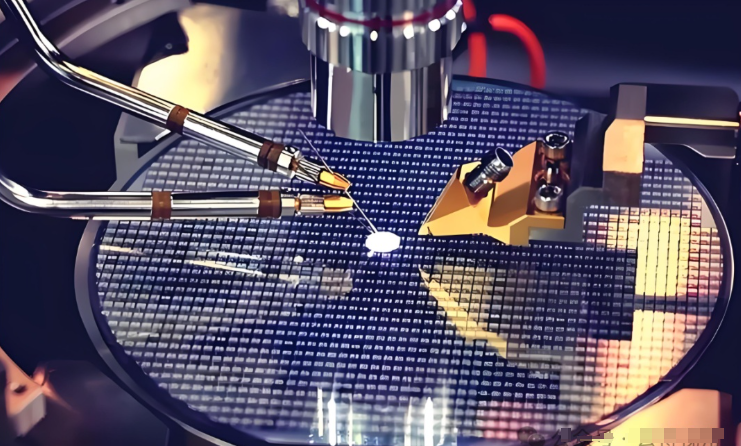
When you’re upgrading clean room gear for a modern line, you’re usually walking a tightrope. You need to hit those “lead-free” and “green” targets, but you can’t afford to let your throughput tank in the process. Most people start with convection ovens. But here’s the problem: they just heat up the air. It’s slow, it wastes a ton of power, and you’re always worrying about airborne particles landing on your wafers. That’s why we use infrared (IR) curing. Instead of heating the room, it beams energy straight into the substrate. It skips the middleman. Instead of waiting for a giant metal box to warm up, IR emitters target the specific parts of the photoresist or adhesive that actually need the heat. It’s fast. Really fast. You aren’t fighting the thermal mass of a huge oven, which means your energy bill per wafer actually drops. Then there’s the “green” side of things. Lead-free solders are picky. They need a very specific temperature window and higher peaks to flow right. With IR, we can tune the wavelength—short, medium, or long—to match the chemistry of your material. It’s the difference between a sledgehammer and a scalpel. You get a perfect cure in the center without accidentally baking the edges of the wafer. Plus, since it’s non-contact, there are no combustion fumes or VOCs coming off the heaters. Your ISO rating stays exactly where it needs to be. But look, it’s not a magic wand. You can’t just rip out a convection heater, plug in some IR lamps, and call it a day. IR is directional. If your parts have weird shapes or deep recesses, you’ll run into “shadowing”—basically, cold spots where the light can’t reach. To fix that, you’ll need to map out a multi-lamp array or use reflectors to bounce the heat into those dead zones. And one last tip: check your power. High-density IR banks pull a lot of current. If your fab’s electrical backbone is old, you’re going to be tripping breakers all day.