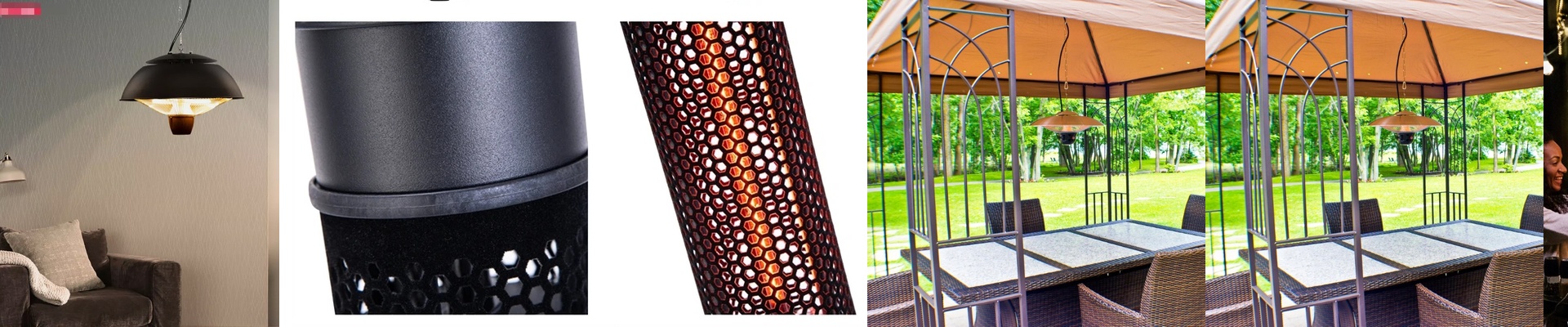
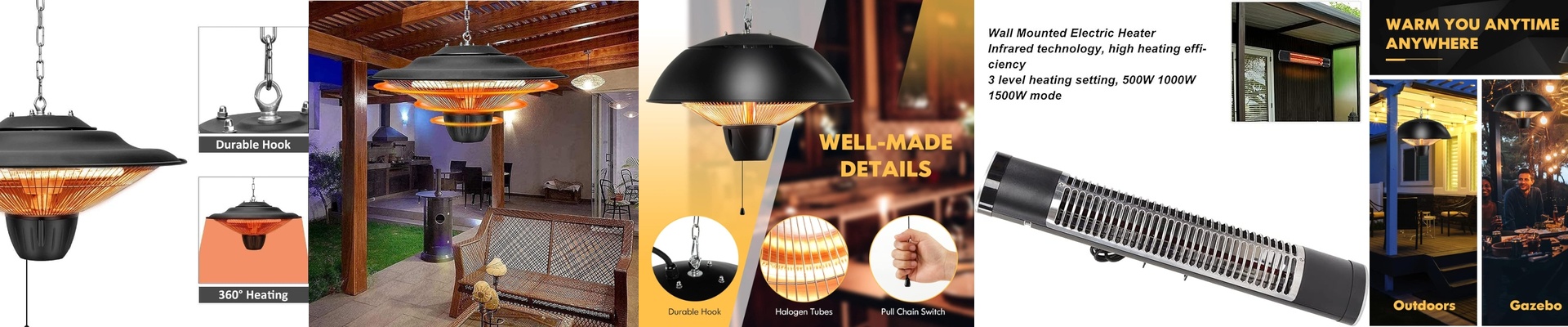
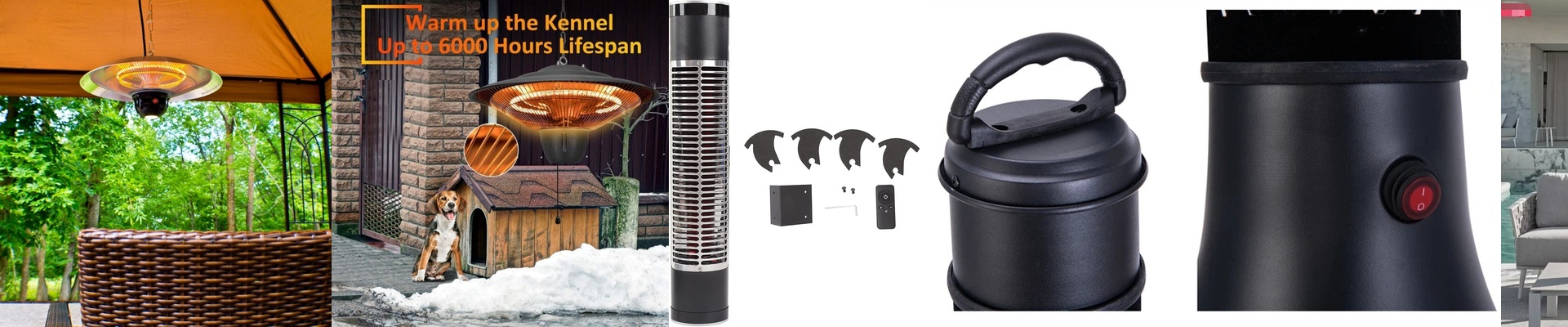

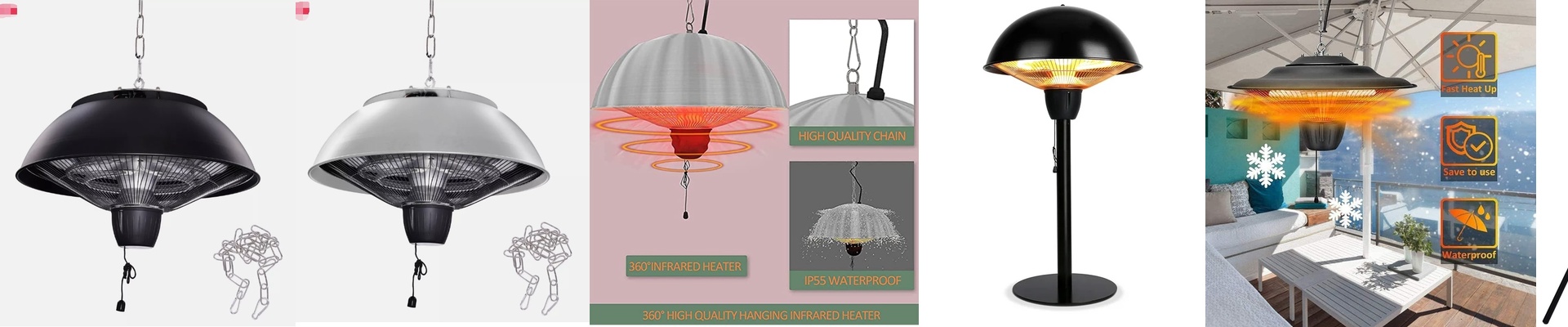
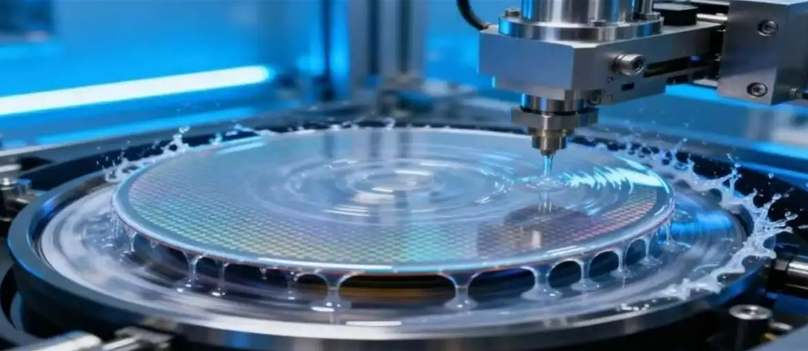
On the fab floor, thermal drift during photoresist bake isn’t a theory—it’s a yield leak you can feel. When the hot aisle can’t hold wafer temperature within ±0.1°C, critical dimensions drift, and the line ends up chasing the same defects day after day. We built the fab air conditioning heater module to stop that drift where it starts, by making heat delivery repeatable and under tight control. What matters, technically The module uses near-infrared (NIR) heating to create a sub-millimeter uniform thermal field, so wafers see the same temperature profile run after run. In practice, that means soft bake and hard bake stability, with thermal repeatability that keeps photoresist behavior consistent across lots. The design stays compatible with Class 1–100 cleanrooms by keeping particle generation near zero, and the heater profile is engineered to meet the thermal budget constraints of modern lithography and track integration. Here’s the point: heat needs to behave like a process parameter, not a variable. This module holds temperature steady even when airflow and duty cycle shift, which cuts scrap, lowers rework, and shortens qualification cycles. Energy use drops because the system heats only what’s needed, when it’s needed, without overshoot. Reliability comes from a clean, repeatable thermal profile that reduces thermal stress on components and keeps unplanned downtime off the schedule. What you need to know up front Installation means matching the airflow pattern and plenum geometry of the target AHU. Mismatched ducting will move the temperature field and kill uniformity. Expect a commissioning step to tune NIR power distribution against the specific cleanroom load profile. Once aligned, the module delivers stable performance—but you have to start with the right mechanical fit.