
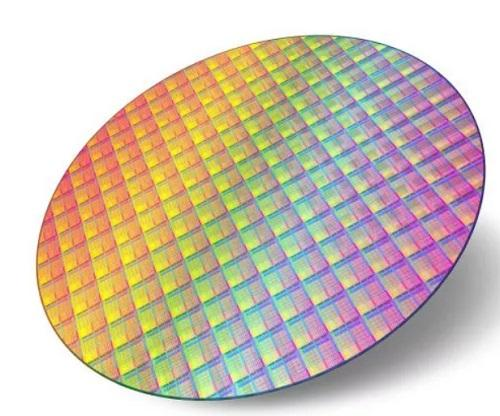
On the line, perovskite precursor films don’t give you any margin for error. Push the temperature outside ±0.1°C, let a stray particle drift in, or let the bake profile wander, and the batch loses repeatability in a hurry. Make no mistake—yield is decided during the drying step, not in the inspection bay later.
What matters, technically
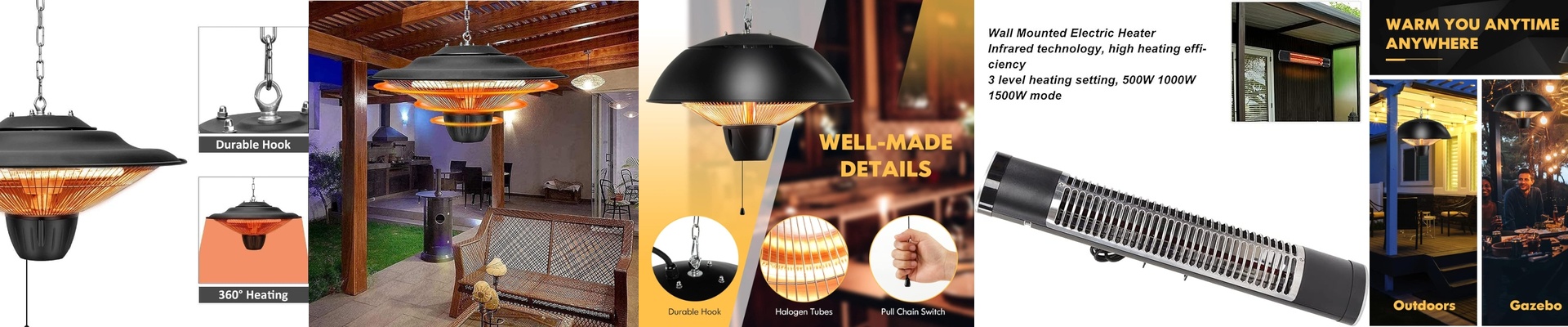
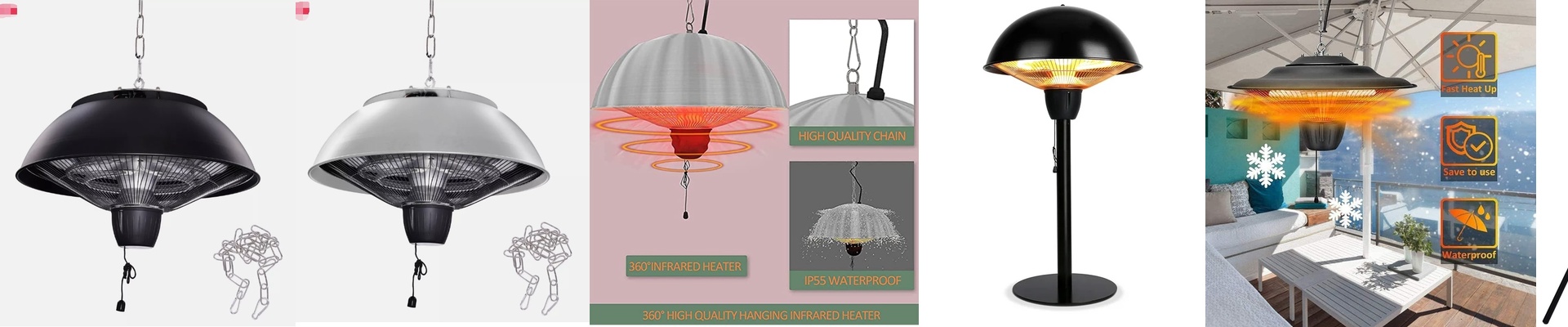
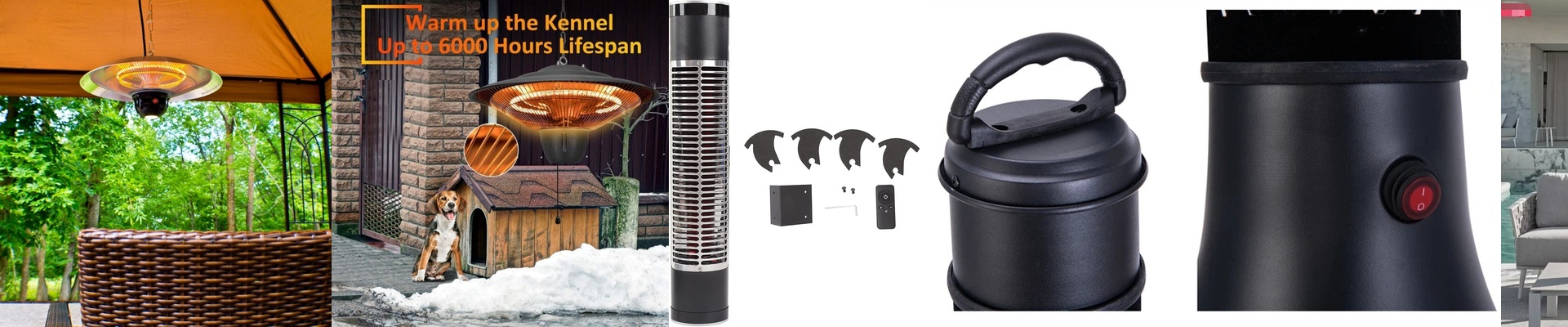
We built this perovskite solar cell drying lamp for semiconductor-grade thermal control, because that’s what the process demands. It holds wafer-level uniformity at ±0.1°C across the active area, which is exactly what you need for tight film stoichiometry and consistent grain nucleation. It’s cleanroom-ready, with Class 1–100 compliant materials and a sealed optical path that doesn’t add particles. The lamp head uses a stable short-wave emitter that responds quickly, so you can deliver energy precisely without blowing the thermal budget of the stack. Repeatability is spec’d at ±0.3% setpoint-to-setpoint, even running 24/7, so your process window stops shrinking on you.
Why it fits the flow
In perovskite PV fabrication, drying sits right after coating and right before photoresist patterning and stack deposition. With this lamp, you run soft bake and solvent removal with the same temperature precision that lithography demands, so the line doesn’t fight thermal hysteresis between steps. The upshot is fewer rework loops, stable critical dimensions, and a predictable efficiency distribution across the cells. You also cut energy use because the lamp hits setpoint fast and holds it without cycling. And unplanned downtime drops because the system is built for continuous duty, with maintenance intervals you can plan around.
The practical details
The lamp works with standard FOUP handling and SEMI interfaces, but integration needs a dedicated clean power feed and verified exhaust coupling to keep laminar flow at the process window. Expect a short warm-up before output stabilizes, and schedule calibration every 2,000 hours if you want long-term repeatability. In high-humidity environments, you still own the chamber microclimate. The lamp delivers precision, but you have to manage the overall process envelope.