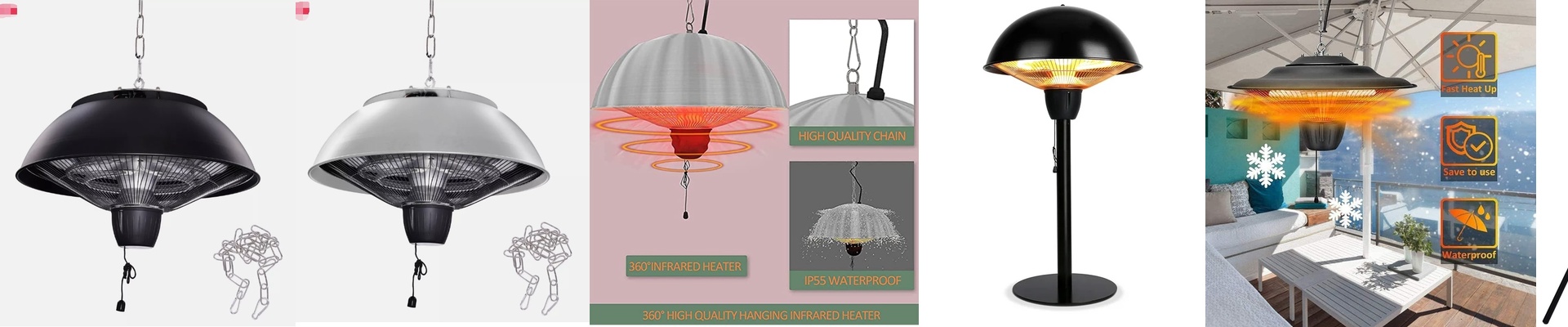

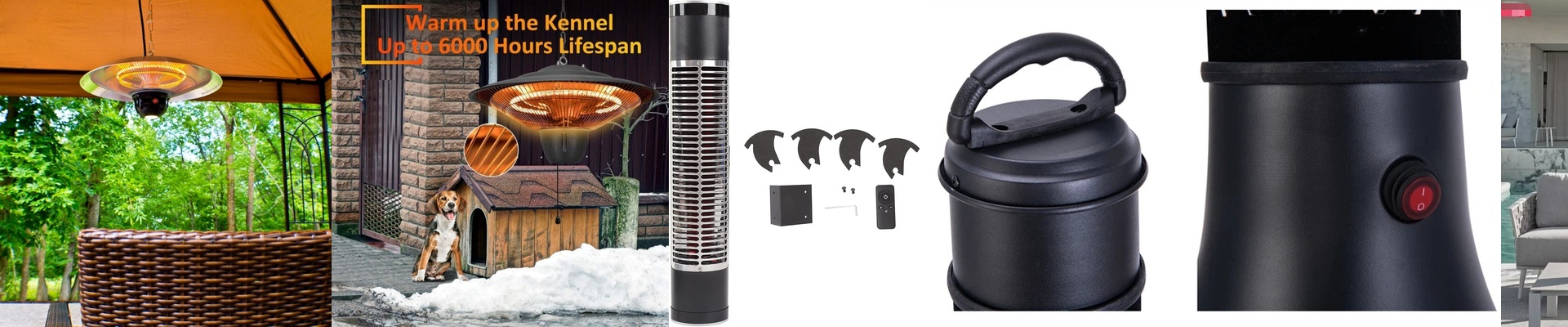
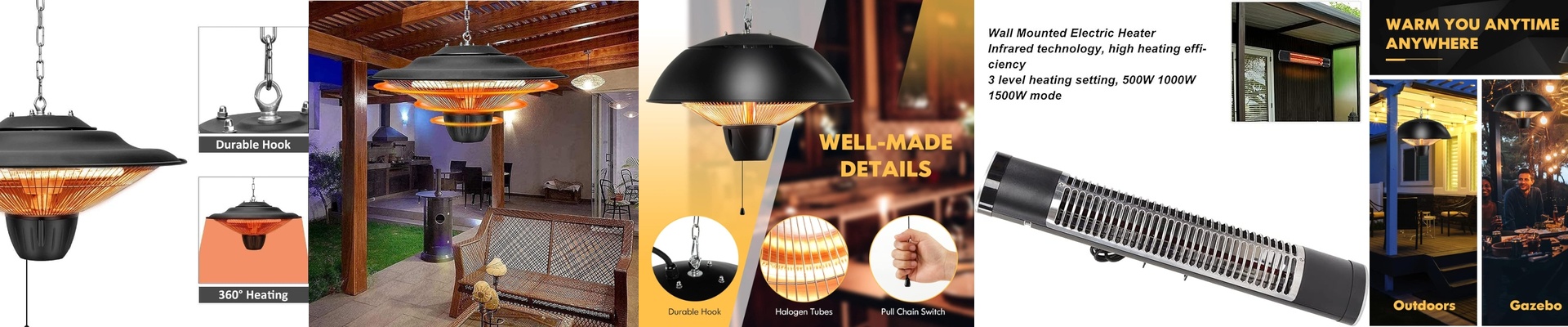
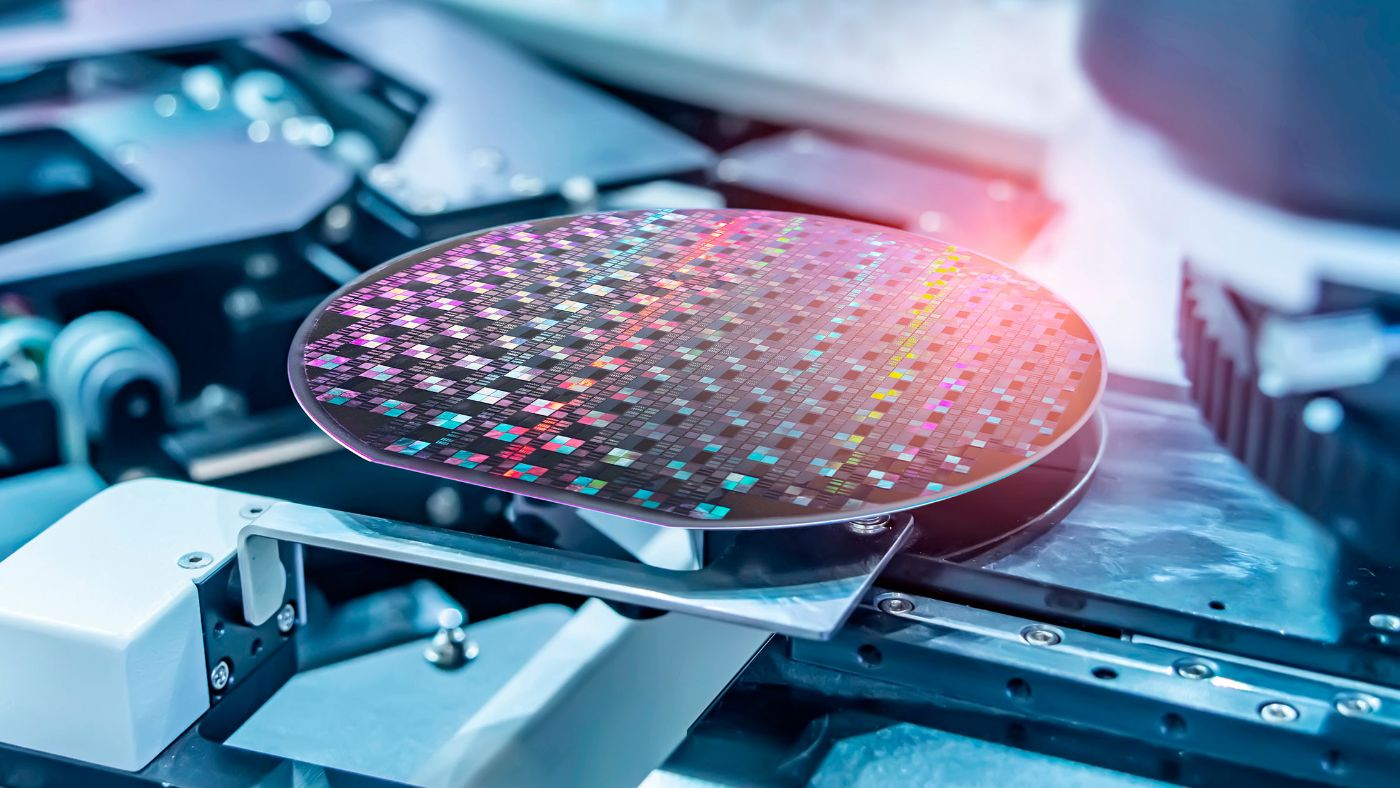
On the line, catalyst drying isn’t some gentle formality—it’s a thermal budget call, and it can take your yield with it. Convection ovens drift. Hot plates leave gradients across the wafer. That translates into inconsistent catalyst loading, pinholes, and scrap that shows up as line-of-sight defects when you get to stack bonding. We built a drying lamp for exactly that constraint: NIR, lamp-driven, and engineered with the same thermal discipline you apply to photoresist bake and lithography. What you need, day to day, is control you can stand behind and audit. The system hits temperature fast with near-infrared, no contact with the substrate, and repeatable profiles. Wafer-level uniformity stays within ±0.1°C across the illuminated zone, and setpoint stability holds under continuous duty. It’s cleanroom-ready from Class 1 to Class 100, with materials and seals chosen to keep particle generation at zero while it runs. And it repeats shift after shift—same thermal profile, same behavior, batch after batch. Here’s why it works in practice: it pulls variability out of the drying step. You get quicker ramp-to-soak, tighter catalyst morphology, and fewer rework loops. Power draw drops because the lamp heats the target, not the chamber. Reliability is built for 24/7, with maintenance intervals you can plan, not random failures you can’t. One practical note: NIR drying is line-of-sight, so fixture geometry and reflector alignment have to be verified to avoid shadowing on patterned areas. We include a validation kit—thermocouple maps, intensity profiles, and cleanroom-compatible mounting hardware—so your first run qualifies to the same numbers you see in the spec.