
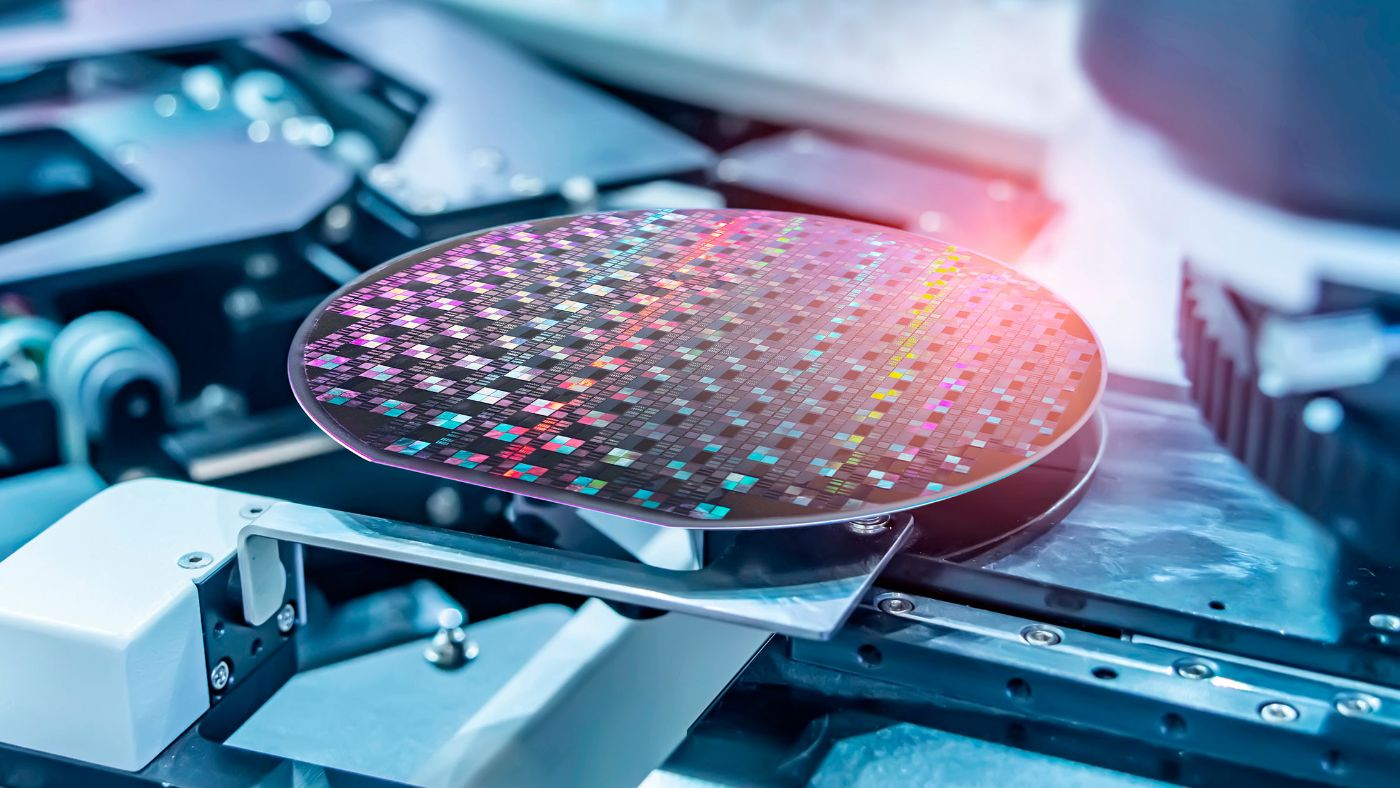
On the fab floor, a 0.1°C swing during soft bake or hard bake is enough to drift CD, leave scum, and take yield with it. Conventional dryers fight across-wafer gradients and particle spikes that show up right after thermal transients. We built this wafer dryer to take that uncertainty out of the equation. What matters under the hood We hold wafer-level thermal uniformity within ±0.1°C by using short-wave infrared emitters in a quartz-isolated chamber that couples heat without shedding particles. The system runs in Class 1–100 cleanrooms, and we verify zero particle generation with in-line monitoring. Photoresist bake profiles stay repeatable, with setpoint stability within ±0.2°C, so critical dimension control and sidewall profile don’t wander. The heater architecture keeps substrate temperature decoupled from ambient swings, so every batch gets the same thermal budget, lot after lot. Why it fits the litho workflow In lithography and photoresist processing, the dryer directly sets linewidth, adhesion, and how much residual solvent you leave behind. Tight uniformity means less rework and fewer requalifications. Cleanroom compatibility and zero particle shedding keep defect counts down, and the uptime holds steady with no unplanned stops, so the line keeps moving. Energy use drops because the emitters ramp fast and idle at low power without drifting. The payoff is stable processes, fewer excursions, and cycle times you can count on. What you need on the install side The unit needs a dedicated, filtered power feed and a nitrogen purge path to keep particle performance intact at full temperature. Integration is straightforward on standard tracks, but you have to match thermal mass and connector orientation to the existing handler so there’s no mechanical interference. Plan a short qualification run to lock the bake recipe; once it’s set, the profile stays consistent across shifts and wafer lots.