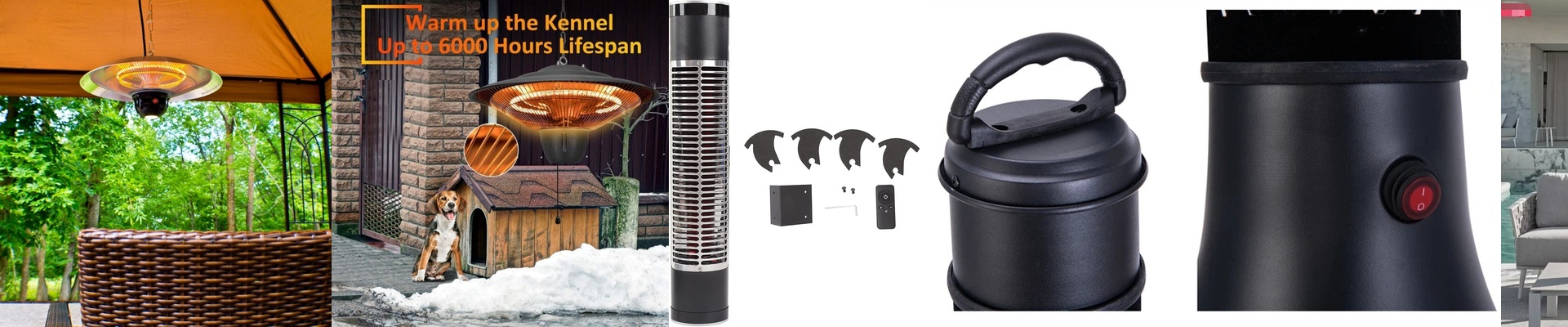

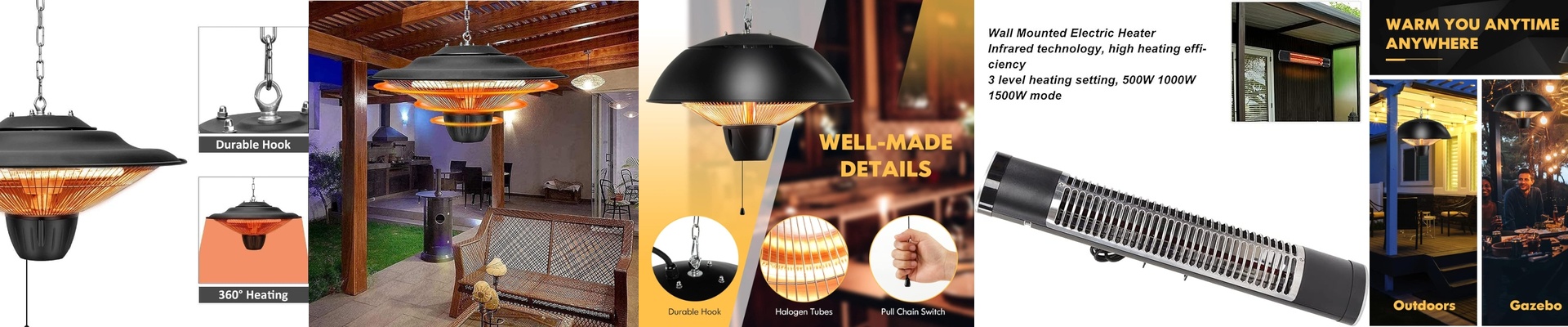
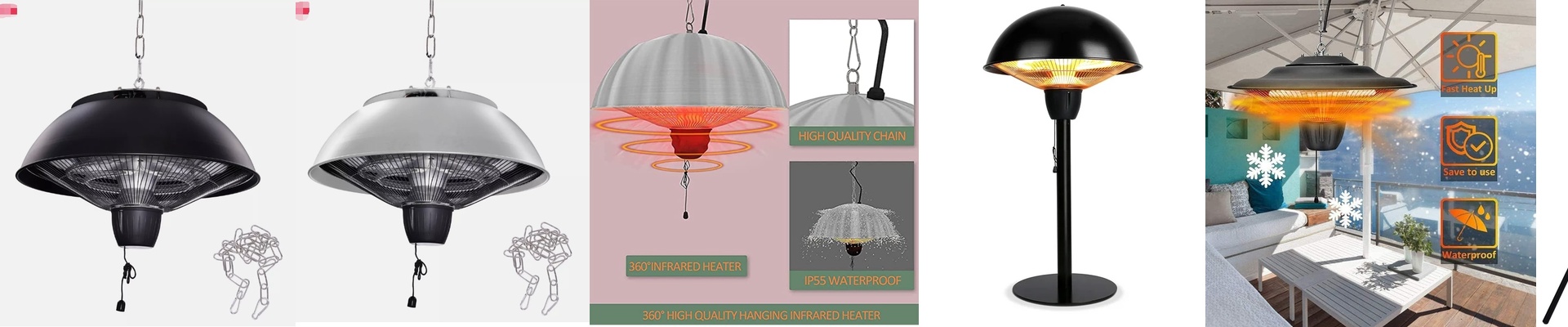
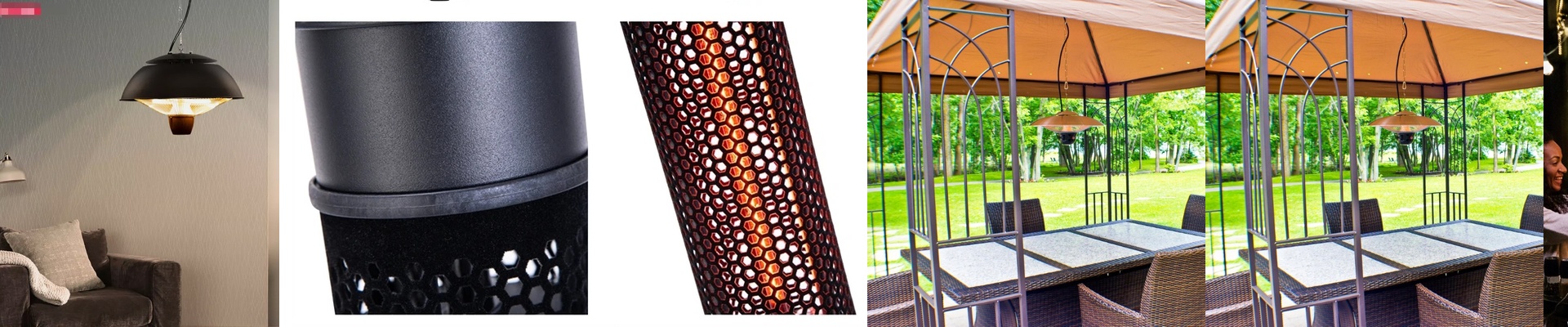

After spending time in 2,000 European homes, one thing jumped out at me: people want warmth that shows up fast and feels right, without turning the place into a sealed-up box. Drafts, runaway bills, and waiting for a heater to catch up—those were the everyday gripes. So we built an infrared space heater around how rooms actually get used.
What matters under the hood
This fast-heating space heater leans on infrared radiant heat. Warmth starts the moment the element hits temperature, warming people and surfaces first, not just the air. The core is a carbon fiber element paired with a quartz tube—chosen for quick response and a long service life. A 1,500W output gives immediate comfort in typical living areas, and the built-in thermostat keeps the setting steady instead of forcing you to chase it. On the safety side, you get tip-over protection and overheat protection. And the outer casing stays noticeably cooler than you’d expect from traditional coil designs.
Why this approach fits real life
We don’t always heat on a schedule. We heat a moment—morning coffee on the balcony, evening reading in the conservatory, a quick dinner with friends on the patio. Infrared warmth feels like standing near a sunlit wall: it reaches you fast, cuts down on drafts, and makes the space feel cozy sooner. Because the heat is directed where you are, you can often keep the area comfortable without heating the whole volume, which can translate to less energy use compared with heating air alone.
Practical placement and limits
For the best results, put the heater where the infrared warmth can reach you directly—roughly 3–5 meters away, depending on the model and ambient conditions. It’s built for indoor use and protected outdoor spots, but wind and heavy moisture still matter. If things get very wet, go with an IP-rated outdoor electric heater designed specifically for that environment. And as with any electric heater, use a dedicated outlet and keep the cord routed safely away from foot traffic.