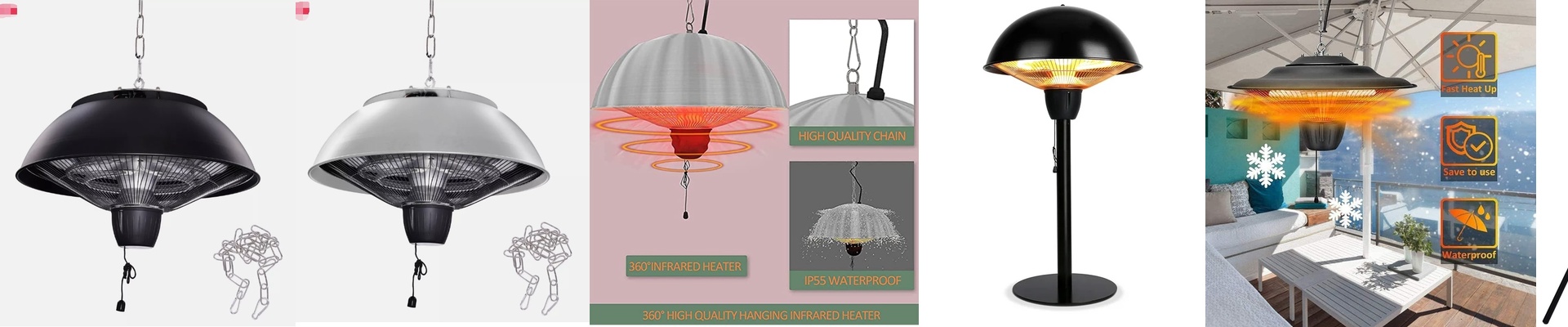
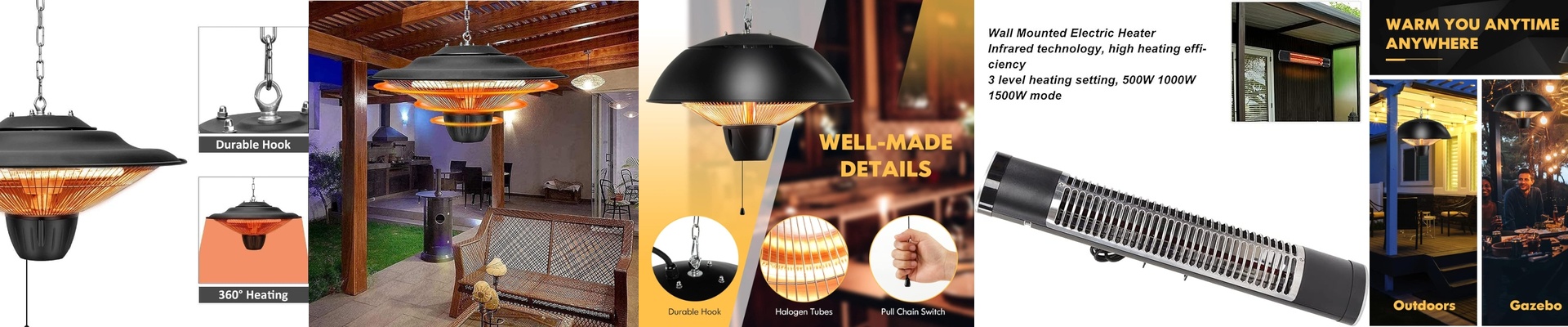

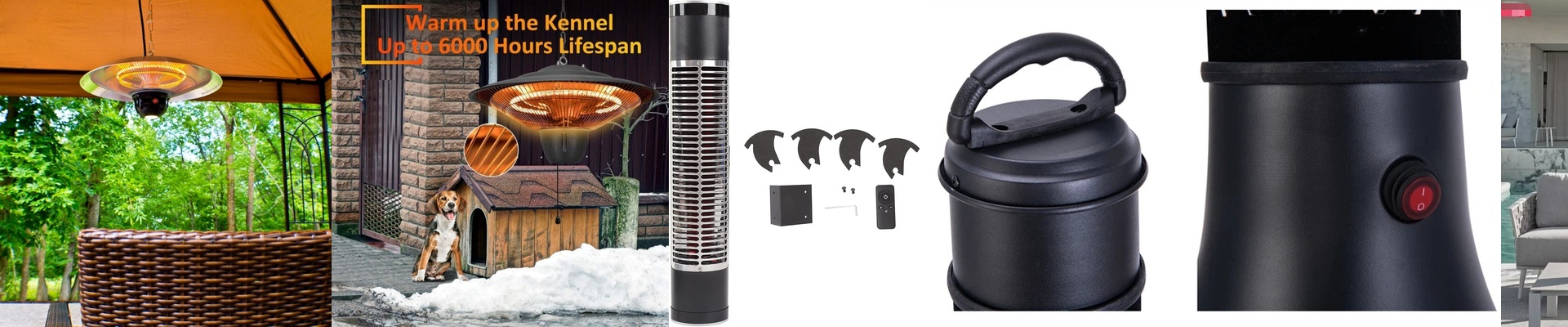
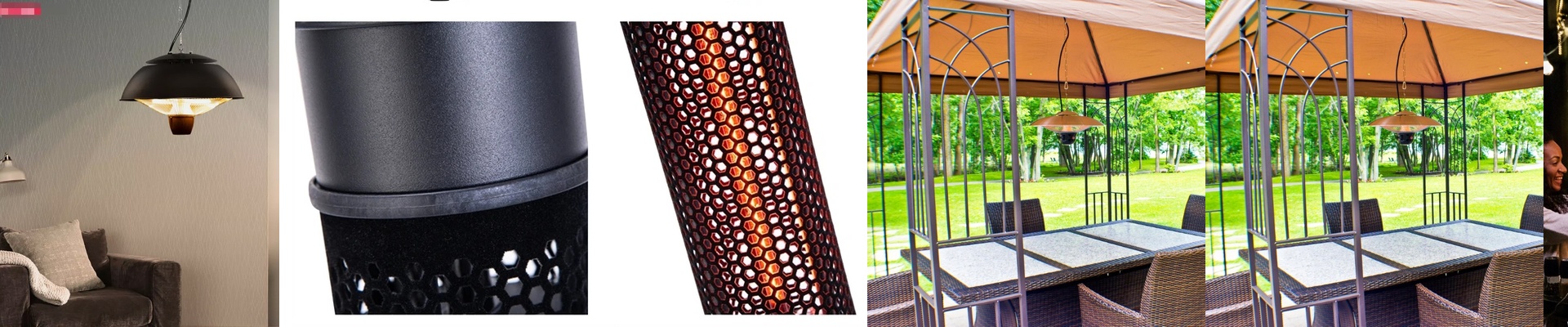
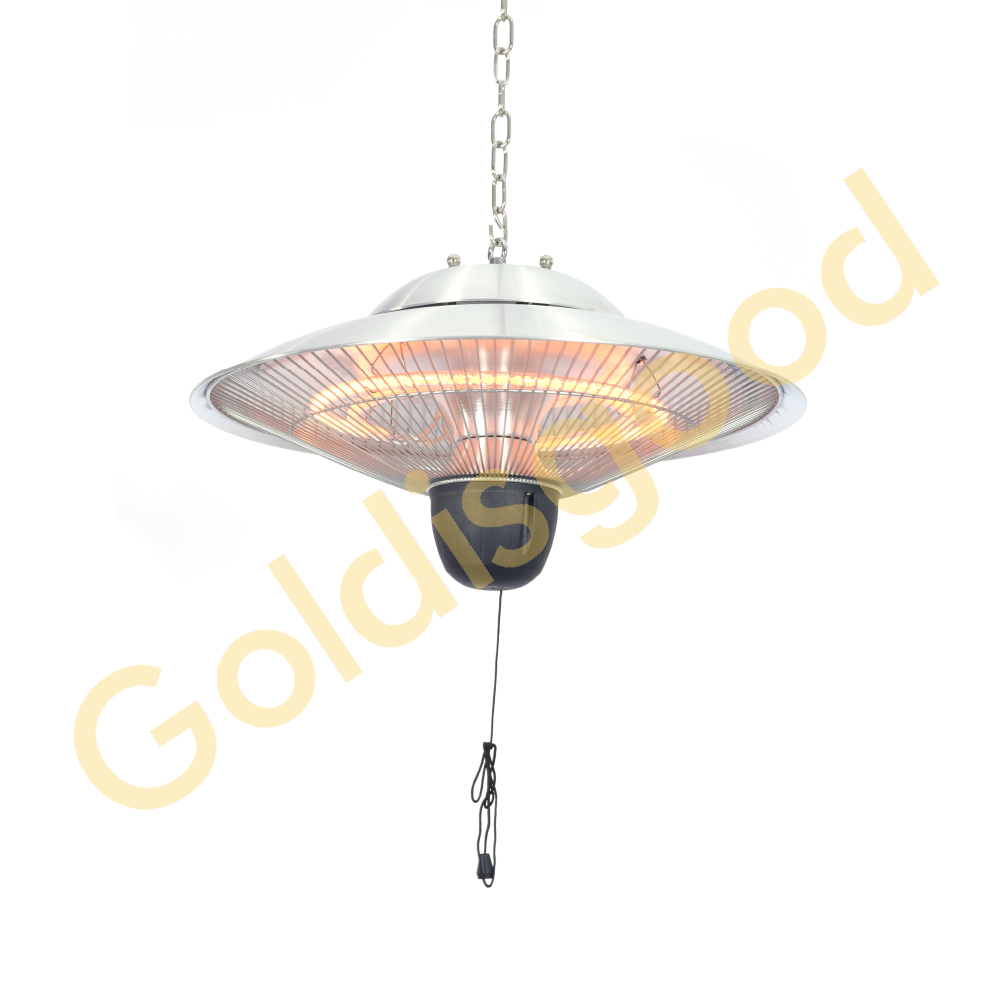
The Reality of Bathroom Infrared Heaters
We make infrared bathroom heaters for one simple reason: they have to survive the worst room in any building. Think of the constant steam, the dripping condensation, the wild temperature swings. A flimsy heater doesn’t stand a chance. That’s why, before a single unit leaves our floor, we put it through brutal湿热 aging tests. We don’t just talk about durability—we prove it.
The Power, the Voltage, the Real-World Specs
Our infrared bathroom heater is built to be a compact powerhouse. It’s all about packing a lot of heat into a small space, and making sure it plays nicely with standard industrial wiring. High wattage in a small body means you get intense heat, fast. We carefully size the heating element and the quartz body to handle that thermal load without creating hot spots. Running on higher voltage also helps. It lowers the current for the same wattage, which keeps wire sizes manageable and eases the strain on your connections. Just remember, your control panel and insulation need to be rated for it. Plan for the right clearance and proper fusing.
Inside the Box: Halogen, Quartz, and a Rock-Solid Connection
Inside, you’ll find a halogen infrared system nestled in a quartz tube. Quartz is a champ when it comes to handling rapid heating and cooling, staying steady even after countless on-off cycles. The halogen cycle does its part, too, keeping the filament cleaner over time. The result? Consistent heat output and a longer life than you’d get from a standard incandescent design. And the connector? We chose it for one reason: a Solid, reliable electrical fit. The R7s-type interface gives you rigid contacts and perfect alignment, which cuts down on arcing and those dangerous hot spots at the joints. In a humid bathroom, a secure connection isn’t just a nice-to-have. It’s a must-have.
What This Actually Means for You
This setup is for engineers who want heat they can count on, not guesswork. The lamp delivers intense heat in a small footprint, which is perfect for those tight spots where heating the air just won’t cut it. It fires up instantly, holds its output, and can be wired as a straightforward, drop-in replacement in compatible fixtures. And that aging test? It’s not a marketing line. We bake the lamp in controlled, high-temperature, high-humidity conditions to force any weak points to show themselves early—whether it’s the seal, the filament support, or the contact stability. There’s a trade-off, of course. More heat density means you need to manage the heat around the assembly properly. But get the spec right, manage the environment, and you’ve got infrared heat that can take the daily abuse of a bathroom without giving up the ghost.