

Why IR Heating Beats Hot Air in the Fab
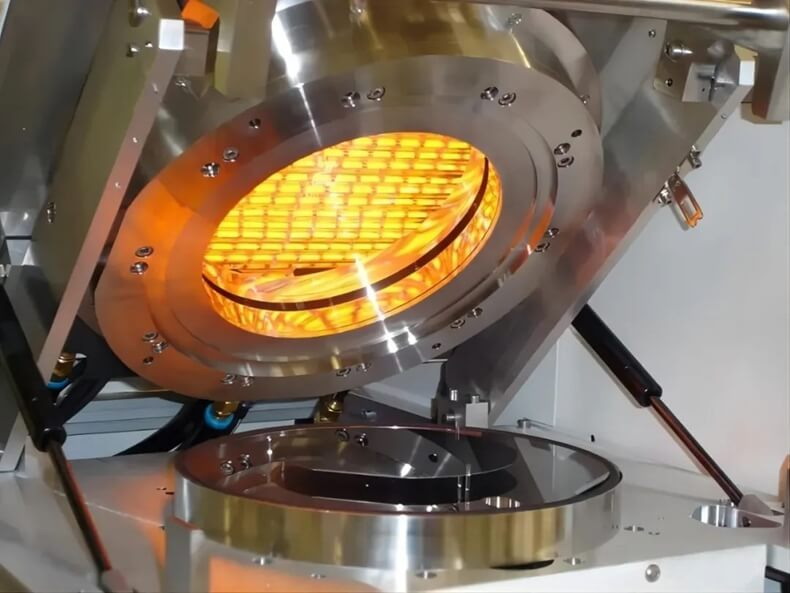
Switching from hot air to infrared (IR) heating in semiconductor processing isn’t just a gear swap. It’s a completely different way of thinking about energy. Think about hot air. It’s slow. You heat the air, then the air heats the wafer. There’s always a lag. IR is different. It’s radiation. The energy just jumps straight to the target. It’s fast. Really fast.
The hidden cost of waiting
Hot air systems are bulky. They take up a ton of floor space just to keep the temperature steady. But the real killer is the “thermal inertia.” It takes forever to ramp up and even longer to cool back down. In a high-volume fab, those minutes add up. They’re basically money leaking out of the building. IR lamps change that. They hit the target temp in seconds. You stop waiting for a giant chamber of air to reach 200°C and you just… start. Your throughput goes up because the waiting stops.
Dealing with the heat (and the wires)
Here’s the thing: IR heaters get incredibly hot in very small spaces. If you use standard PVC or silicone wiring, you’re going to have a bad time. They’ll melt or degrade almost instantly. That’s why we stick with Teflon (PTFE) coated wiring. It handles the heat without “outgassing”—which is a fancy way of saying it doesn’t leak chemicals into your cleanroom. It keeps the power flowing and the connections stable, even when the heaters are pushed to the limit.
The trade-offs
Now, IR isn’t perfect. It’s not some magic fix for everything. Because IR works on a “line-of-sight” basis, it can be finicky. If your part has a weird shape, some spots will get blasted with heat while others stay cool. You have to be really intentional about where you place the lamps and how much power you’re pumping into them. Plus, if you aren’t careful with shielding, you can accidentally bake your own machine chassis. You’ve got to make sure your cooling system is beefy enough to handle that wasted heat, or you’ll end up with a different kind of problem.