
Keeping Your Bathroom Heater Alive in a Steam Room
Let’s be honest: bathrooms are a nightmare for electronics. Between the thick steam from a hot shower and the occasional accidental splash, most heaters just give up. They rust, they short out, and they stop working way sooner than they should. We didn’t want that. So, we built our infrared wall heaters to actually survive the chaos.
Dealing with the Damp
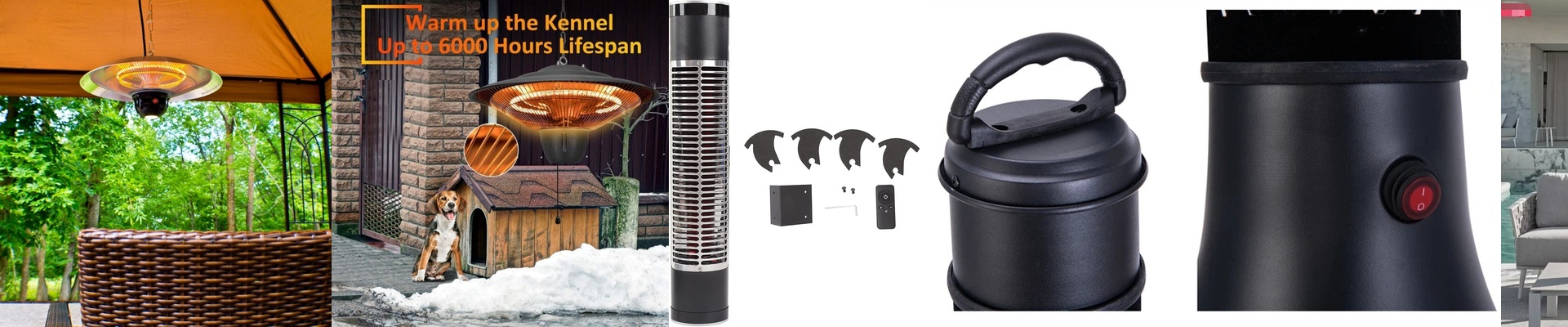
The real enemy isn’t just a splash of water—it’s the vapor. Steam is sneaky. It finds its way into the housing through tiny gaps, creating a bridge for electricity to go where it shouldn’t. That’s how you get a short circuit. To stop this, we use sealed gaskets and a special hydrophobic coating on the internal boards. It basically tells water, “You’re not coming in here.” Plus, the chassis is shaped to push water away from the electrical terminals. Then there’s the heating element. We use quartz tubes, but the ends are the weak spot. We seal those off with high-temp silicone or ceramic caps. This keeps the steam out of the halogen gas inside. If that gas gets contaminated, the filament burns out. Period.
The Push and Pull of Heat
Think about what happens when you turn on a heater in a cold room. Things expand. Then you turn it off, and they shrink. If your seals are too stiff, they just crack under that pressure. We went with flexible, heat-resistant polymers. They can handle hundreds of those heating cycles without losing their grip. One heads-up, though: because we’ve wrapped the element in all this protection, it might take a few seconds longer to feel the heat compared to a naked, open-element heater. It’s a small trade-off for a unit that doesn’t die after a year.
A Couple of Tips for Setup
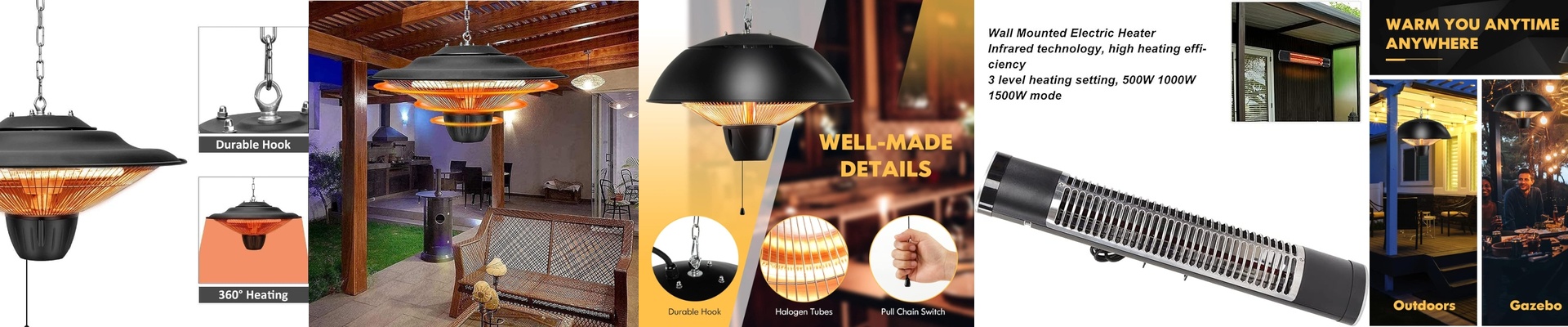
If you want this thing to last, you’ve got to do two things. First, wire it into a GFCI-protected circuit. Look, we’ve done our best to splash-proof everything, but you’re dealing with high wattage in a wet room. A fail-safe isn’t optional—it’s just smart. Second, make sure the mount is perfectly level. If the unit tilts, water can pool up against the seals instead of just dripping off. That puts a lot of unnecessary stress on the gaskets, and we want them to stay tight for as long as possible.