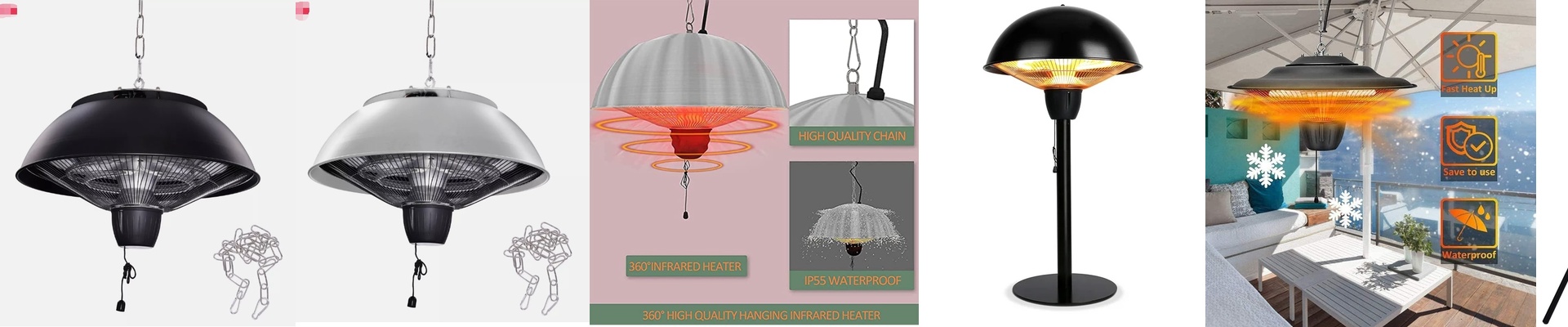
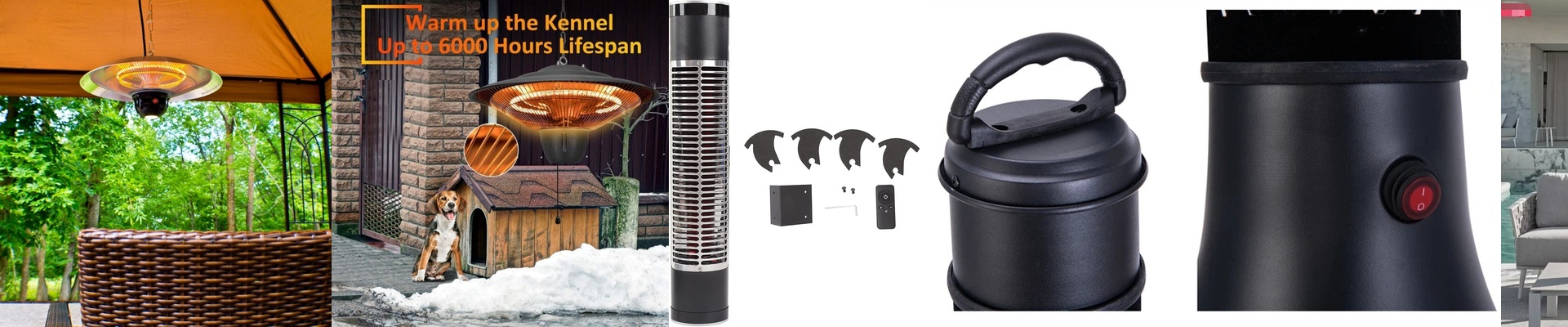
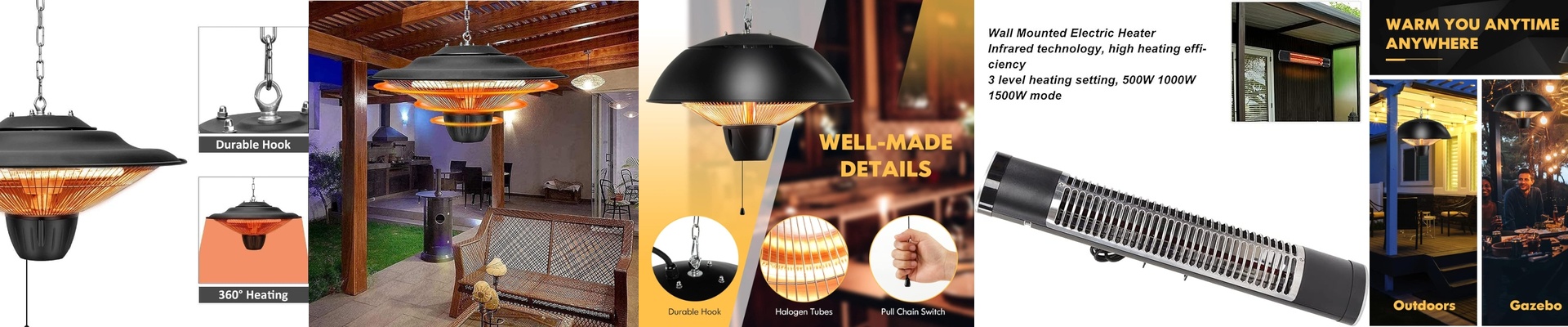
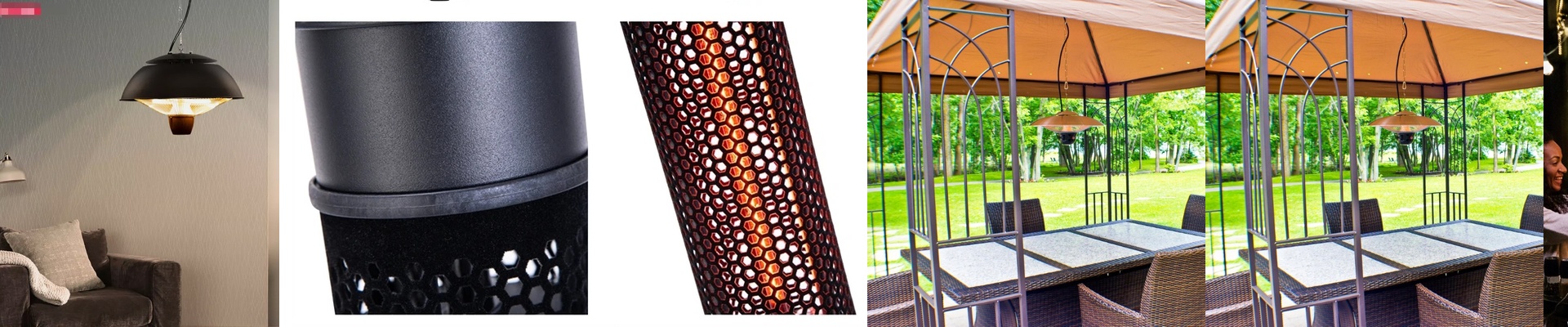

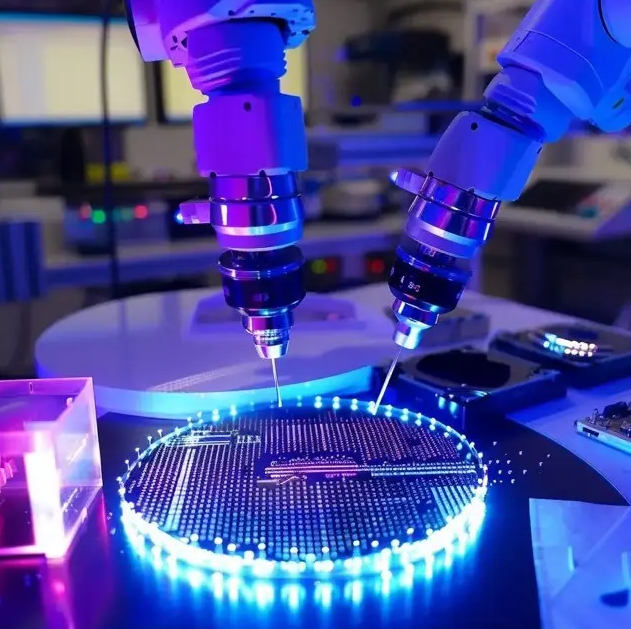
On the wafer floor, a 90°C soft bake isn’t just a temperature—it’s your thermal budget for line-width control. Push the photoresist solvent retention off by half a degree, and the lot walks out with print defects that only show up after develop. We built an infrared lamp for Applied Materials tools to clamp that drift down at the source.
What matters, technically
It’s short-wave infrared, tuned to match the absorption of the photoresist stacks you run. The real spec is thermal uniformity: ±0.1°C across the wafer plane during bake. Not a line from a brochure—this is measured with calibrated thermocouples under process gas flow, and it holds across the full bake window. The quartz envelope and ceramic fixtures are cleanroom-ready, engineered for Class 1–100 operation with zero particle generation once you’re in steady state. Output repeatability stays within 1% over 5,000+ hours, so the same lamp profile keeps line-width performance consistent, lot after lot.
Why it plays here
Applied Materials tools run tight thermal cycles, and photoresist processing is sensitive to ramp rate and dwell. The lamp drops into the existing chamber without changing the mechanical interface, and the control response is quick enough to hold temperature on target during gas switching and door events. You end up with fewer reworks—so yield improves—and you cut energy because the lamp heats on demand instead of idling. The process window opens up when the thermal profile stays stable, and you stop chasing bake drift in the metrology log.
The practical details
The lamp works with standard Applied Materials power and control connections, but you still need to confirm the exact connector and mounting bracket against your tool revision and chamber setup. Run a short qualification to map temperature with your wafer stack and lock in the setpoint offset. In high-humidity cleanrooms, keep the coolant lines dry and vented; condensation will trip the interlock and pause the bake. Once aligned, the unit doesn’t need recalibration beyond the routine sensor check you’re already doing.