

Stop Wasting Heat: Why We Use Gold Reflectors in the Fab
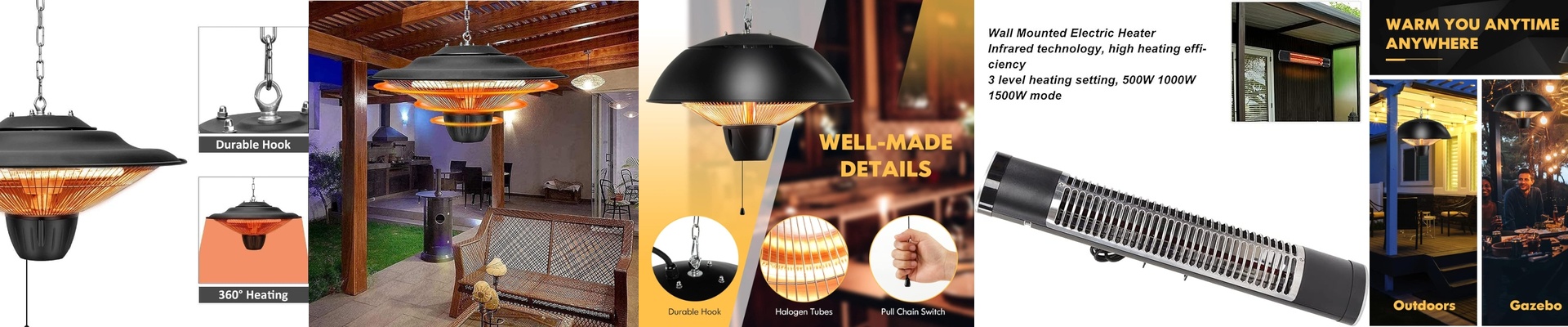
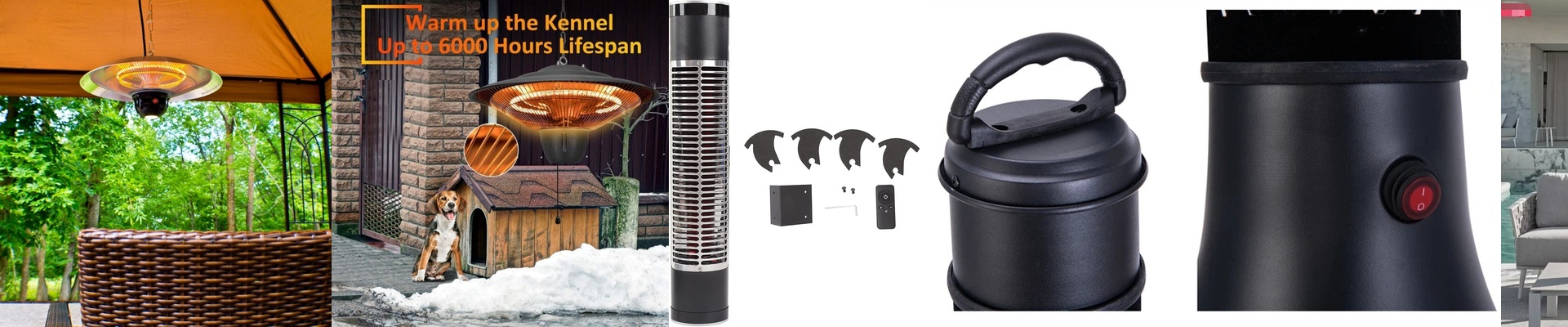
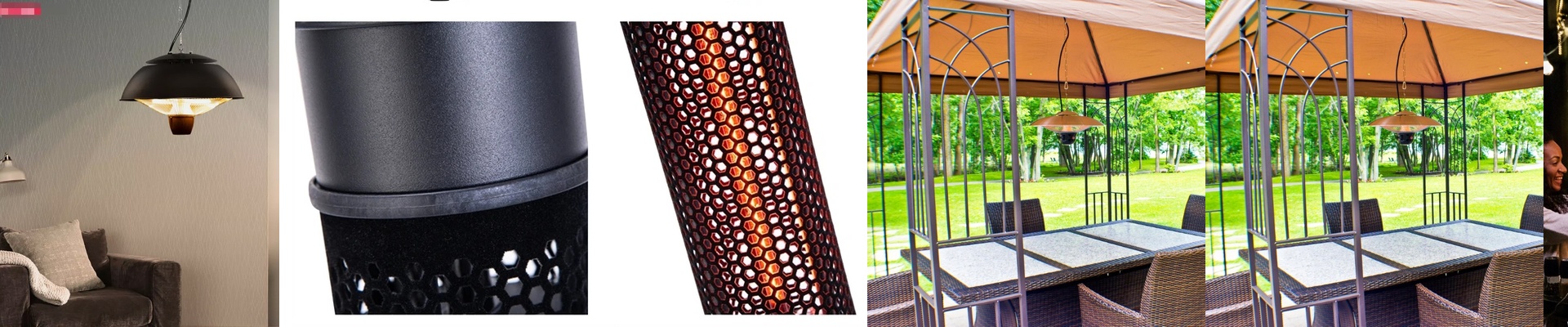
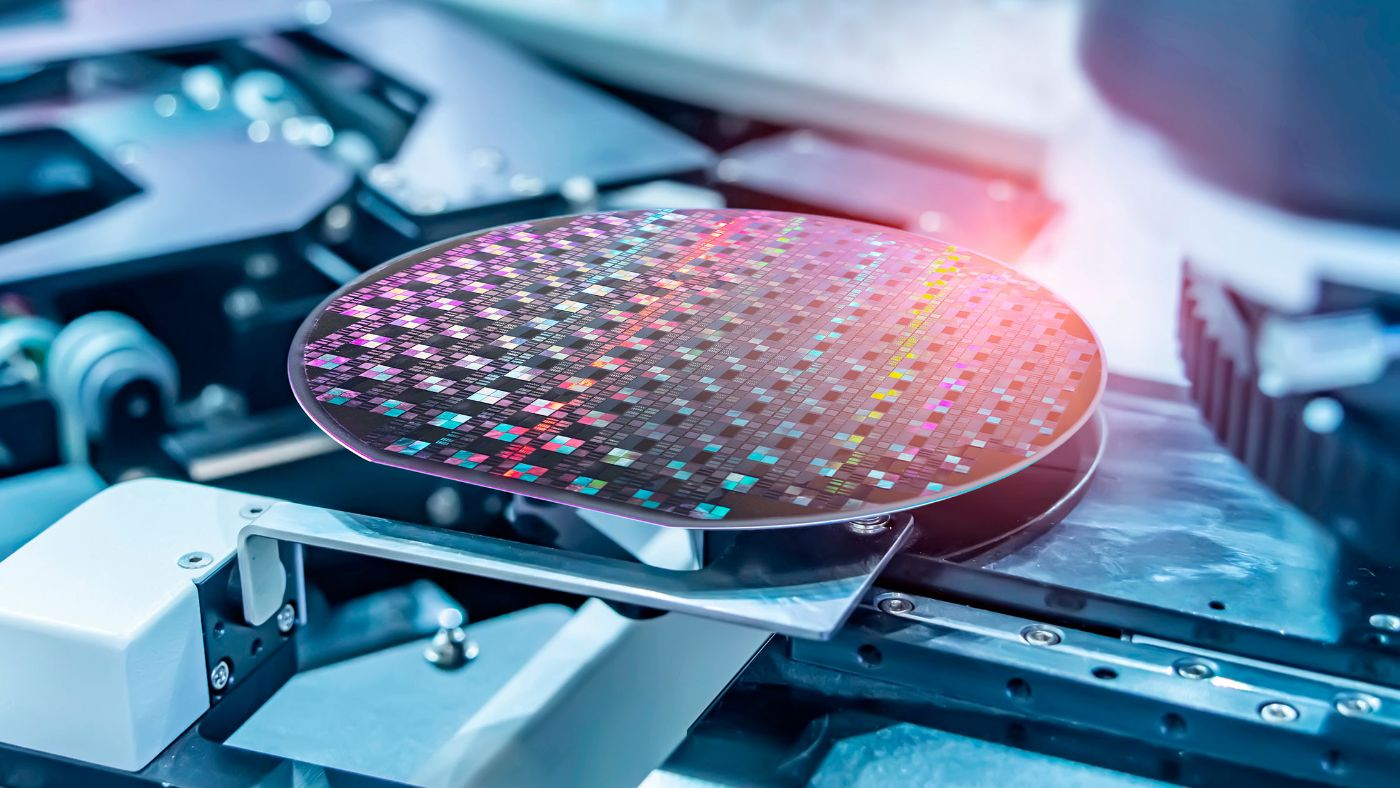
If you want to shrink your carbon footprint in a semi-fab, you have to start with the energy you’re just throwing away. In our world, that usually means heat. We’ve found that using infrared (IR) bulbs with gold reflectors is the smartest way to stop that leak and put the thermal energy exactly where the wafer needs it. Why gold? It comes down to how light bounces. Standard aluminum reflectors are okay, but they soak up too much energy. Gold is different. It’s incredible at bouncing back long-wave and medium-wave infrared radiation. Think of it this way: more photons actually hit the target, and fewer wander off into the tool chassis. You get a tighter heat profile and your power bill goes down. It’s just cleaner. The balancing act Now, you can’t just throw these in and forget about them. You’ve got to make sure your wattage and voltage match your power rail, or you’ll deal with annoying voltage drops. High-wattage lamps are great because they ramp up fast—which is exactly what you want for curing or baking. But there’s a catch. That much heat puts a ton of stress on your cooling fans. If your airflow isn’t dialed in just right, you’re looking at burnt-out lamp ends or a warped housing. Not a fun day at the office. Cutting the “ghost” energy We’re all pushing for carbon neutrality, and a big part of that is killing “ghost” energy. That’s the heat that’s running wild in your machine without actually helping the process. Switching to gold reflectors cuts the total kilowatt-hours you need to hit your target temperature. It’s one of the easiest ways to make a cleanroom greener without slowing down your throughput. Keeping it running The best part? These bulbs are basically drop-in replacements for your standard IR heaters. You wire them into your current controllers and you’re good to go. Just one thing:keep them clean. If a chemical film or some oxidation builds up on that gold surface, your efficiency will tank. Give them some love, keep the reflectors spotless, and you’ll keep getting that thermal ROI.