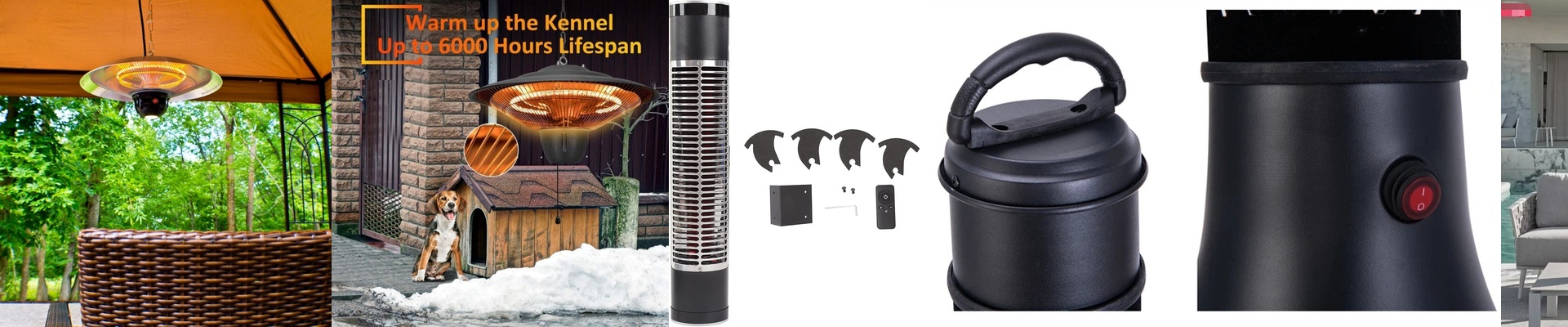
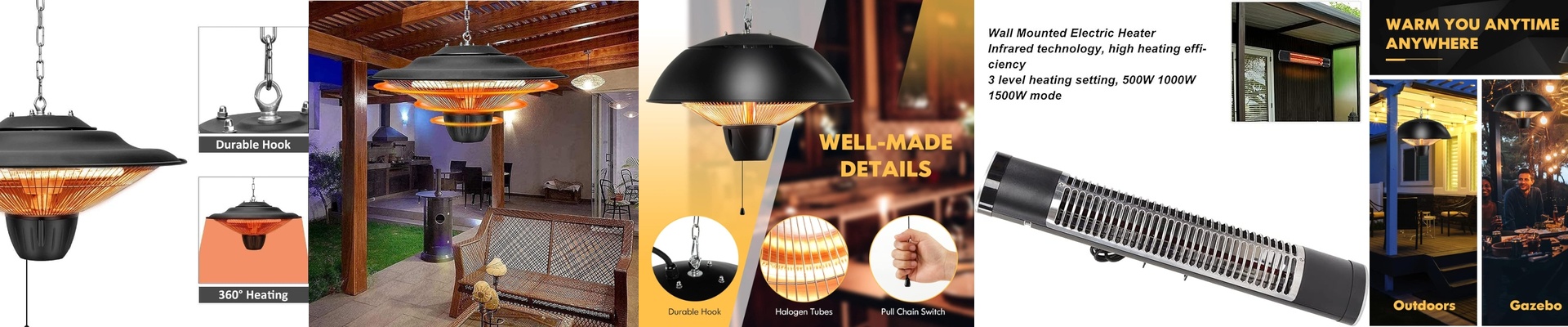

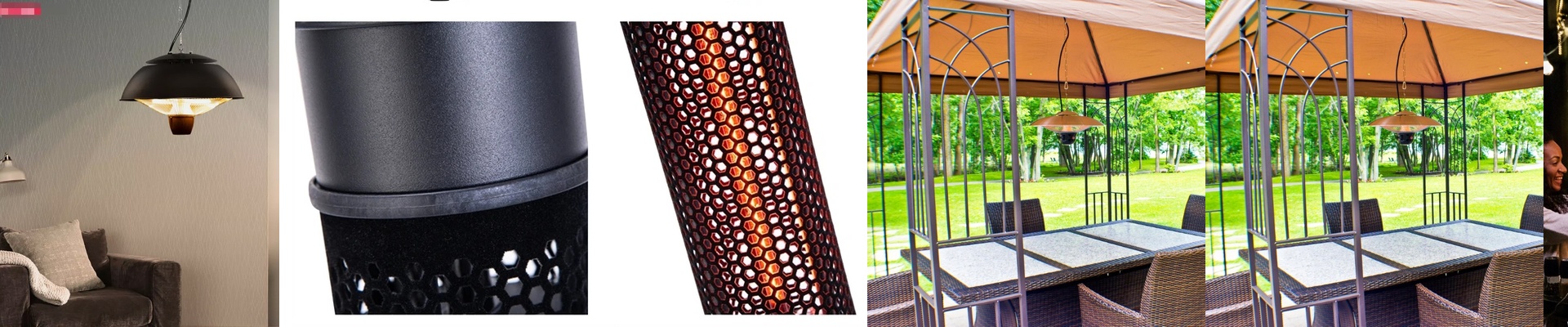
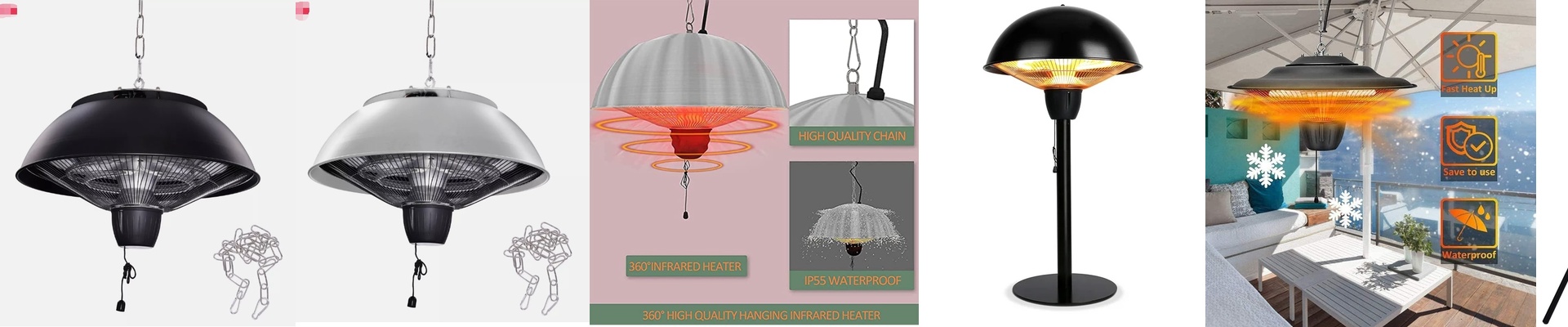
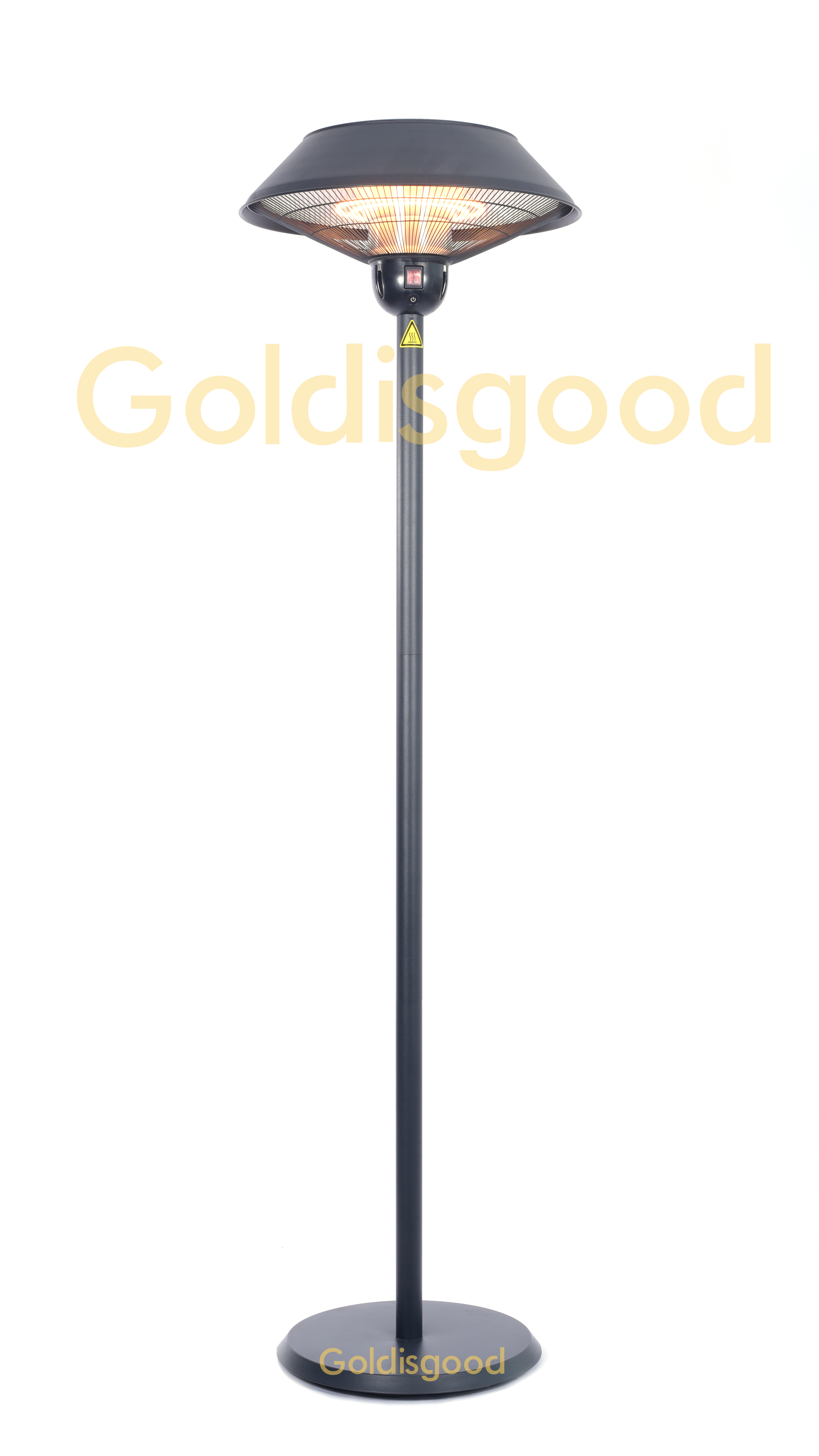
Winter has a way of turning small rooms into cold pockets where the air just sits there, stubborn. You can pile on layers and still feel that pins-and-needles bite in your hands and feet. Conventional heaters that move warm air around tend to leave comfort feeling slow and patchy.
What matters, technically
Infrared small room heaters work a different way. They don’t heat the air first; they radiate warmth that travels straight to people and surfaces—like the sun warming your skin on a cool day. In practice, you feel the heat almost the instant the unit is on. We run a carbon fiber or quartz element that throws a broad, gentle radiant field—quiet, immediate, and focused. You get steady, even warmth that doesn’t have to ride air currents to reach your extremities.
Why it works where you need it
Cold hands and feet aren’t just about air temperature. When peripheral circulation slows, warmth struggles to get where it’s needed most. Radiant infrared heat supports microcirculation by warming surface tissues, which helps blood flow improve naturally. So you feel relief sooner, and comfort feels more consistent. Because the heat is directional, you can place the heater where you sit and get warmth right where you need it, without waiting for the whole room to come up.
What to keep in mind
Infrared shines up close—usually within a few feet—so positioning matters. Aim the heater toward your torso and lower body, and keep a clear space around the unit. Most models run on standard household power and include safety features like tip-over protection and overheat cut-off. One point people sometimes miss: radiant heating warms people and objects directly, so the air in the room can still feel cooler. If you want a more balanced feel, pair it with a gentle draft barrier or a small fan for air movement.