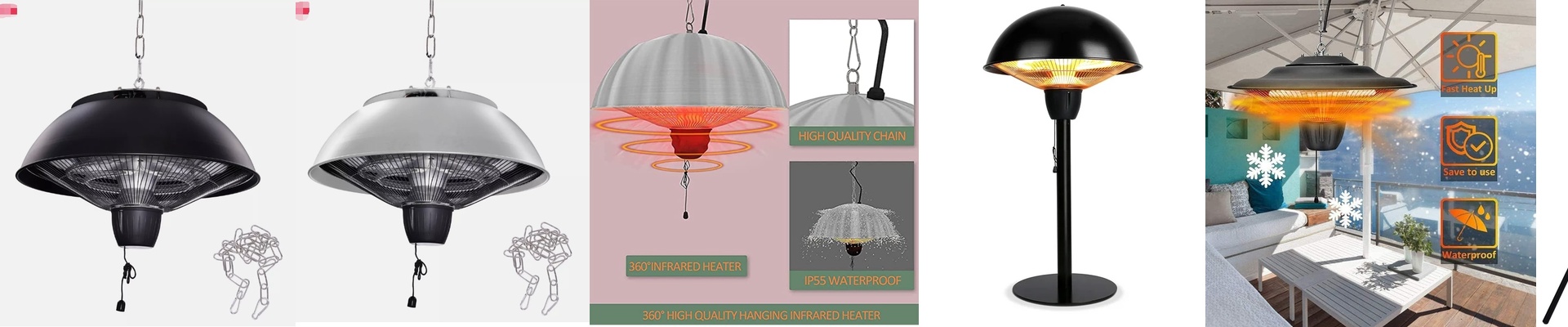

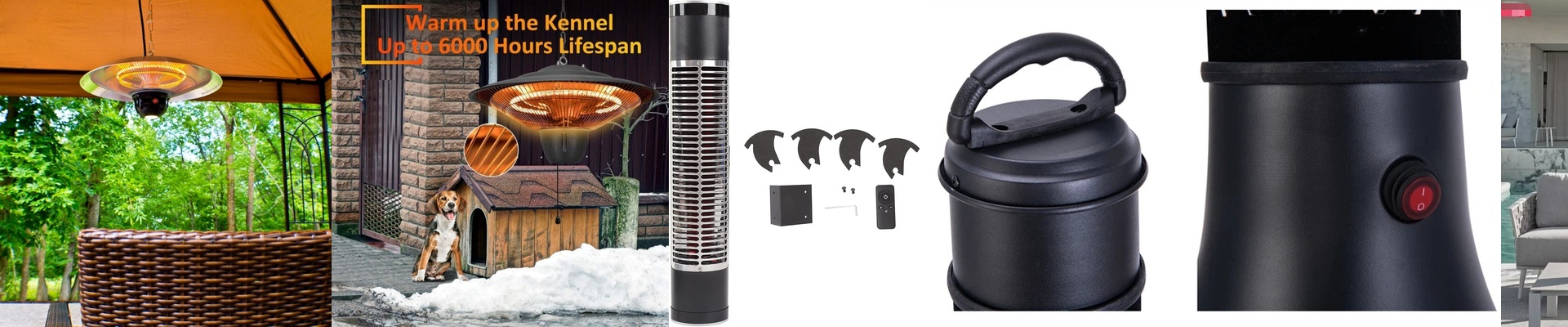
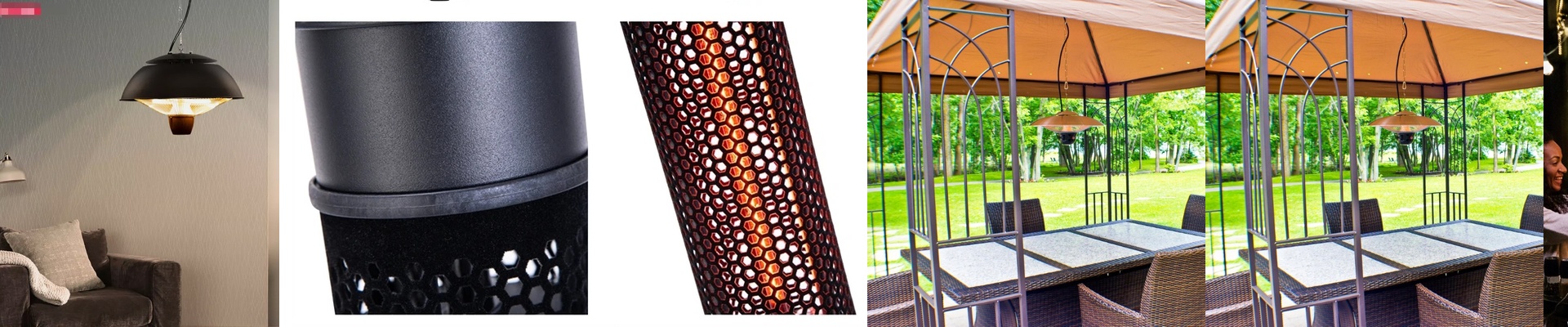
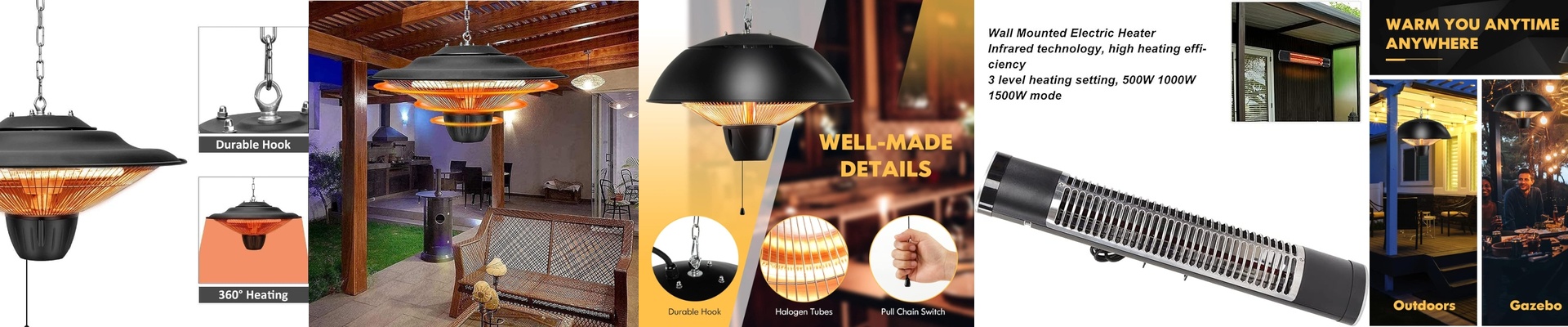
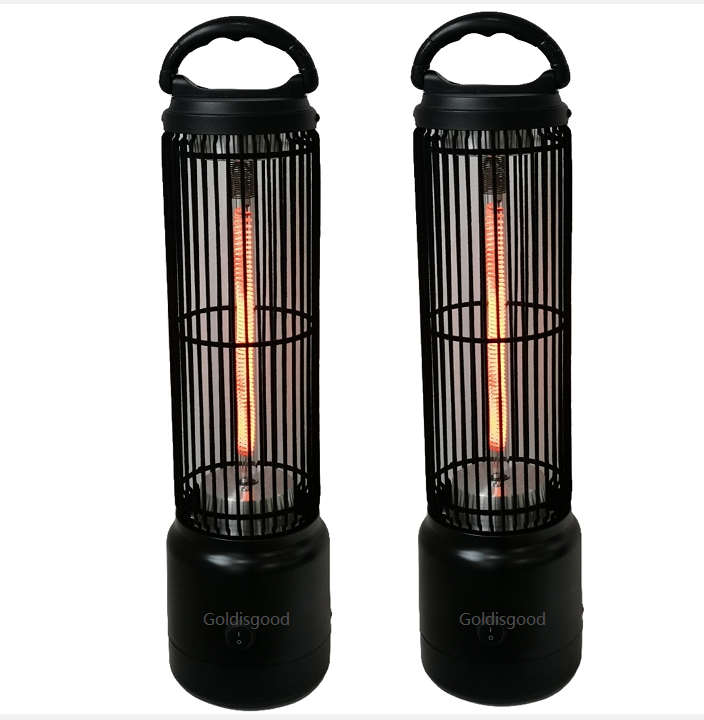
Why “Explosion-Proof” Quartz is a Must for Your Bathroom Heater
When you’re putting together an infrared heater for a bathroom with high ceilings, the heat output is actually the easy part. The real challenge? The room itself. Bathrooms are chaotic. You’ve got steam everywhere and random splashes of cold water flying around. Now, imagine a quartz tube glowing at over 800°C. If a single drop of cold water hits that scorching glass, it doesn’t just crack. It shatters. Fast.
Let’s talk about “Explosion-Proofing”
First off, when we say “explosion-proof,” we aren’t talking about bombs or chemicals. It’s more about stopping a mechanical disaster. Standard quartz is decent, but it has a breaking point. To fix this, we use doped quartz or reinforced coatings. It basically gives the glass some “give,” so it can handle a sudden plunge in temperature without freaking out and fracturing. Without this, you’re risking a tube bursting and sending glass shards and electrical bits right into the shower. We spec these materials so that even if a seal fails, the whole thing doesn’t just disintegrate.
The Tug-of-War: Quartz vs. Ceramic
Here is why we stick with quartz: it uses short-wave infrared. Instead of just warming up the air in the room, it hits your skin directly. It’s that “instant warmth” feeling that makes these heaters so great. But there’s a catch. That intense heat puts a lot of stress on the glass. We have to play a balancing game with the wall thickness. Thinner walls let more heat through, but they’re fragile. Too thick, and you lose that efficiency. We find that sweet spot where the heat is powerful, but the tube is tough enough to take a beating from the humidity and temperature swings.
A Few Tips for Installation
Don’t skip the GFCI (Ground Fault Circuit Interrupter) setup. Since these units live in a wet zone, any leak in the housing could energize the whole chassis. That’s a nightmare you don’t want. Also, double-check that your housing is rated for the wattage of the lamp. If you push too many watts into a housing with poor ventilation, you’ll end up melting the plastic or burning out the reflectors. Give the heat some room to breathe.