
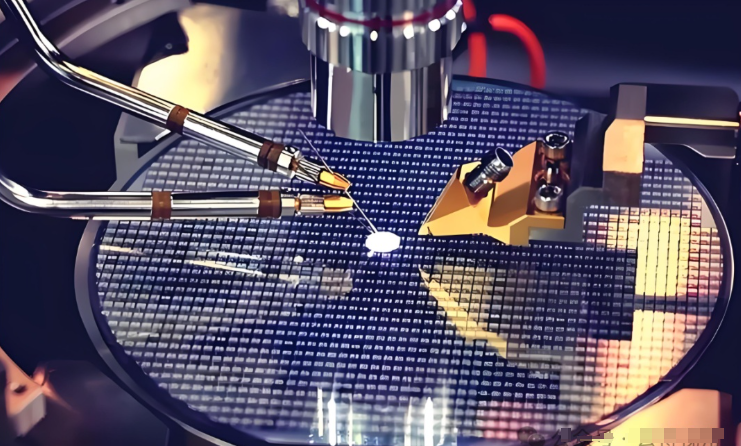
Why IR Curing is the Way to Go for Lead-Free Semiconductors
When you’re building biosensors, you’re walking a tightrope. You need enough heat to cure your adhesives and get those surfaces ready, but one wrong move and you’ve fried your biological reagents. For a long time, we just used convection ovens. But honestly? Heating up a giant box of air is a waste. It’s slow, it’s energy-hungry, and you’re basically inviting airborne dust to settle right on your substrate. That’s where IR lamps come in. Instead of heating the air, they beam energy straight into the material. It’s a completely different feel. Cutting the Wait Time Think about the energy side of things. IR curing is a huge win for the environment because you aren’t trying to warm up a whole room just to fix a wafer. We use short-wave emitters that hit the exact spot where the resin needs to absorb energy. The result? Your warm-up time drops from hours to literally seconds. Your equipment takes up less space on the floor, and your power bill actually looks reasonable. Handling the Lead-Free Jump The move to lead-free (Pb-free) soldering has made things trickier. You need higher temperatures now to get the job done. With IR, you can hit those thermal peaks fast without turning your entire chamber into a sauna. Since we can tweak the voltage to control the intensity, you don’t have to worry about “over-baking.” No more warped substrates or ruined bio-layers because the oven stayed on five minutes too long. A Few Things to Watch Out For Now, it’s not all magic. IR curing packs a serious punch of heat density. If you don’t get your cooling and venting right, that radiant heat will soak into the machine frame. Once that happens, your sensor calibrations will start to drift, and you’ll be chasing your tail trying to fix it. Also, you’ve got to make sure your substrate and the lamp are on the same page—meaning the emissivity and wavelength have to match. If they don’t, it doesn’t matter how much power you pump into that tube; the surface just won’t cure. Get the match right, though, and the whole process just clicks.