

Getting Heat Right in Biosensor Production
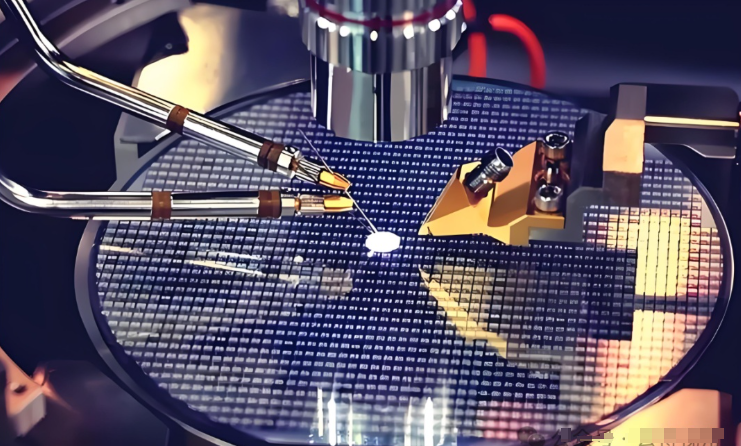
Making biosensors is a bit of a balancing act. You need the heat to be exactly right so the chemicals bond properly and the substrate doesn’t warp. If you’re still using those old-school ovens, you’re basically heating up the whole room just to warm up a tiny piece of material. That’s why we’ve shifted to infrared (IR). It lets you point the heat exactly where it needs to go, leaving the rest of the chamber alone.
Smart Heat and Real-Time Data
In a modern fab, you can’t just “set it and forget it.” You need to be able to tweak the temperature on the fly. We use high-density IR lamps because they react the second your PLC tells them to. Unlike convection—which is basically just blowing hot air—IR hits the substrate directly. It’s cleaner. It’s faster. And it keeps your machine from turning into a space heater. Plus, you can plug these systems right into your data loop. You’ll know the exact wattage every single unit gets, so you aren’t guessing why one batch worked and the next one didn’t.
The Nitty-Gritty Hardware
For this kind of work, shortwave or medium-wave quartz lamps are usually the way to go. They pack the punch you need for quick curing or drying. We also make sure the filaments are precision-matched. Why? Because “cold spots” are the enemy. You don’t want a random dead zone on your wafer ruining your yield. One thing to watch out for: your power supply. If you go for a high-wattage array to get those fast ramp-up times, your cooling system has to keep up. If it doesn’t, the ambient heat builds up, your calibration drifts, and suddenly your sensors aren’t accurate anymore.
Making it Work in the Fab
Putting these lamps into a smart Fab is all about communication. We use digital controllers that talk directly to your MES. We also design these as drop-in replacements. No one wants the line down for hours. If a lamp burns out, the system flags the exact zone that needs a fix. You swap it out, and you’re back in business. It beats the hell out of scrapping an entire batch of sensors just because one heating element gave up the ghost.