
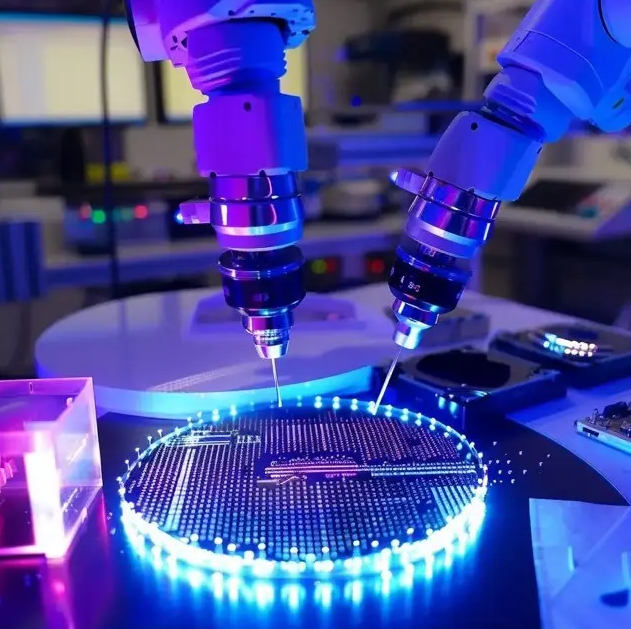
Stop the Glass Rain: A Better Way to Handle IR Lamps
In a high-load fab, a shattered infrared lamp is a nightmare. It’s not just about the downtime—it’s the mess. When a quartz tube goes, you’ve got glass shards and filaments raining straight down onto your wafers. That’s an instant scrap pile and a grueling day of scrubbing the chamber. We decided there had to be a better way. So, we started putting our IR lamps inside custom stainless steel housings. The “Safety Net” Approach Think of the housing as a physical shield. We weld these stainless steel enclosures to act as a containment zone. If a lamp pops due to thermal shock or just wears out, the debris stays trapped inside the shell. It doesn’t end up on your substrate. We cut specific openings in the steel so the IR radiation gets through, but the physical junk stays put. We stick with stainless because it doesn’t warp when things get hot, which keeps your lamps perfectly aligned. Dealing with the Heat Here’s the trade-off: running high-wattage lamps creates a ton of heat. While the steel shell is great for safety, it does trap some of that warmth. You’ll want to double-check your cooling blowers. If your airflow is too weak, the housing can act like a heat soak, which might wear out your lamps faster than usual. It’s a simple calibration step, but it makes a huge difference. Making Life Easier for Your Team We designed these modules for quick swaps. You don’t have to spend hours rewiring the whole array. You just pull the housing out and drop in a new one. Plus, we use heavy-duty industrial fasteners so nothing vibrates loose when you’re dealing with vacuums or high-pressure gas. It means your team spends way less time cleaning up broken glass and a lot more time actually running wafers.