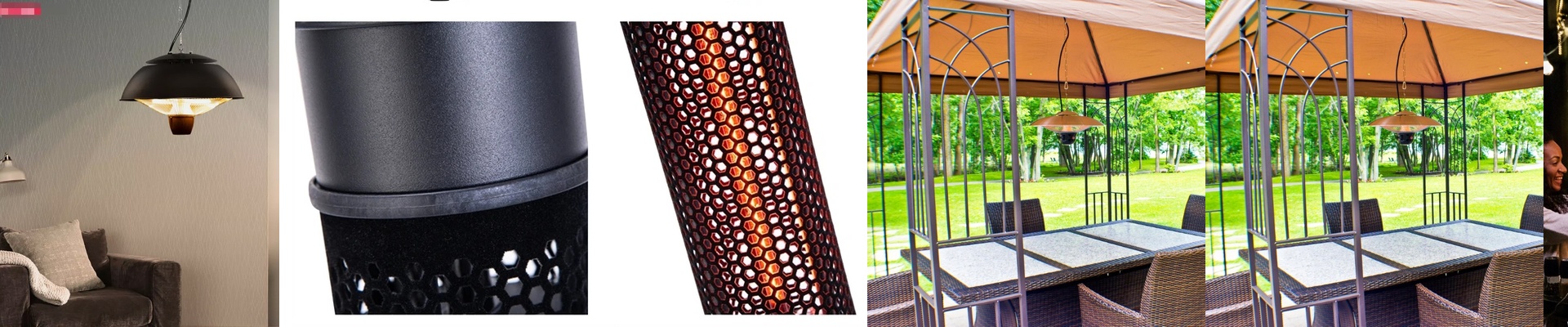
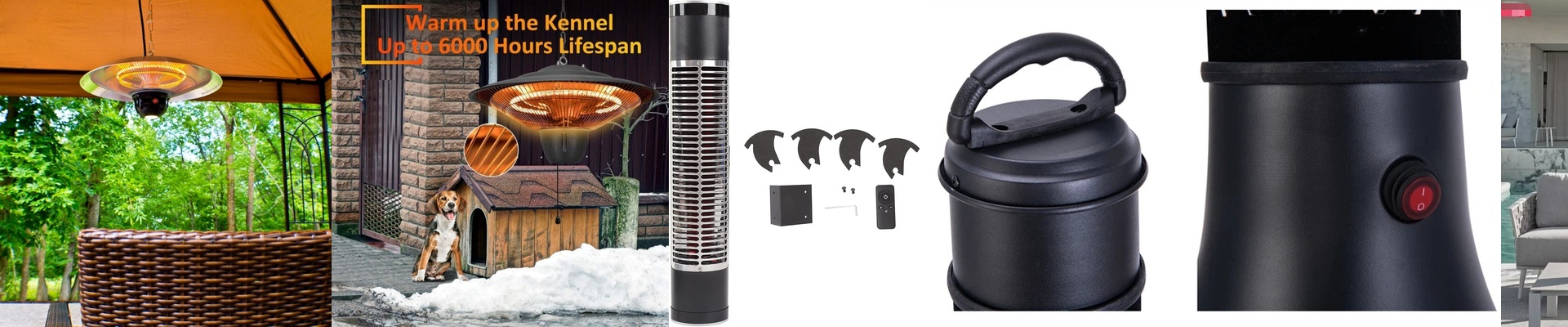




Bathrooms are basically torture chambers for electronics. Between the steam, the random splashes, and the way the temperature swings from freezing to sauna in five minutes, most heaters just give up. We’ve all seen it—something looks great on day one, and by month six, it’s a paperweight. We didn’t want that. Dealing with the steam Here is the problem: most heaters die because moisture sneaks into the electrical parts. It causes shorts, rust, and just general failure. To fix that, we tucked the infrared element inside a sealed quartz envelope. It keeps the water vapor away from the filament entirely. Plus, it solves that annoying fogged-up mirror problem. By keeping the glass just warm enough, the water simply can’t settle. No more wiping the mirror with a towel just to see your face. Keeping the water out Splashes are the real killer. We didn’t just slap some coating on the wires and call it a day. We used high-grade gaskets and sealed cable entries to make sure the guts of the machine stay dry. We also used silicone-insulated leads because they can actually handle the heat and humidity without cracking. Even the frame is made from alloys that won’t rust, so you won’t find those ugly brown streaks running down your mirror in a year. A quick word on setup Because we use shortwave infrared, these things heat up fast and don’t take up much space. But that heat is concentrated. If you mount these directly against cheap plastic or some random flammable glue, you’re going to warp your mirror frame. It’s a mess. Just use some heat-resistant spacers to leave a tiny air gap. It protects the backing of the mirror and lets the heat move through the glass the way it’s supposed to. And please, for the love of everything, wire it into a GFCI outlet. You’re dealing with water and electricity—don’t take shortcuts there.