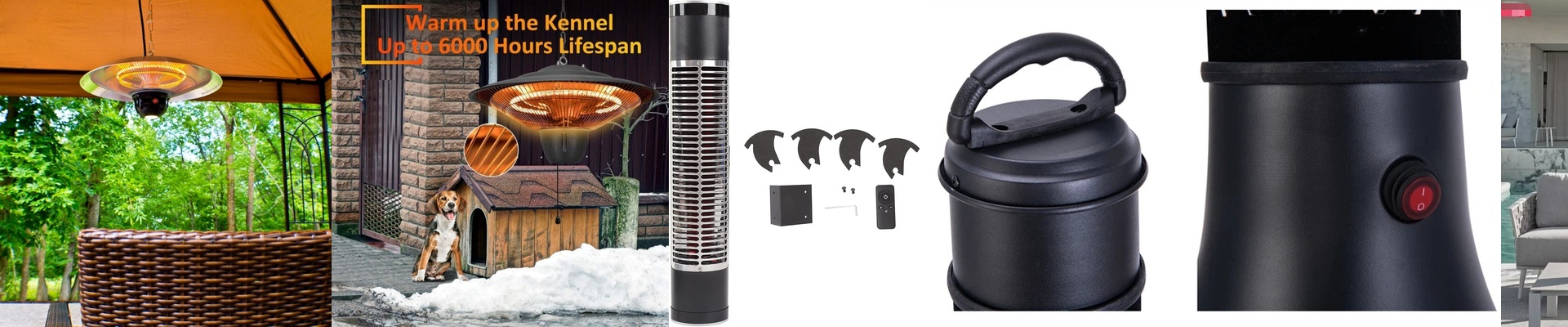

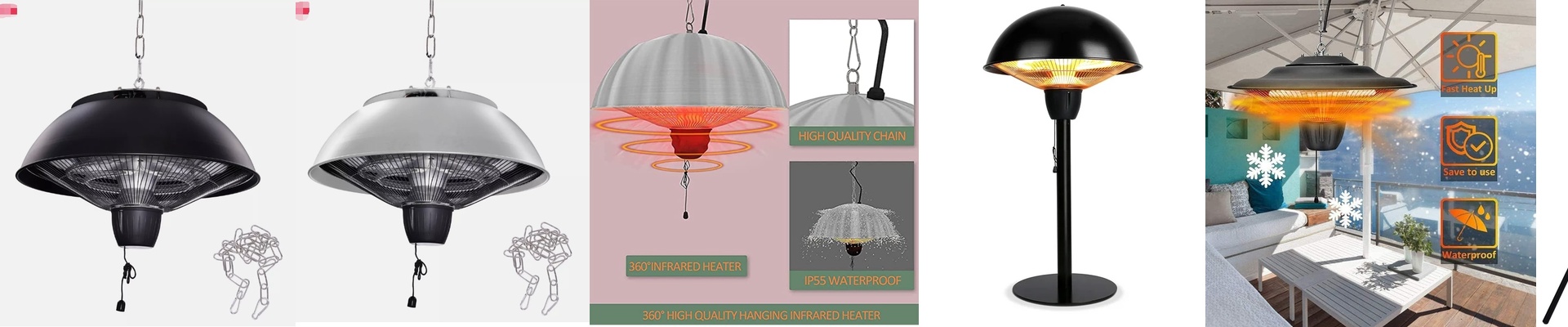

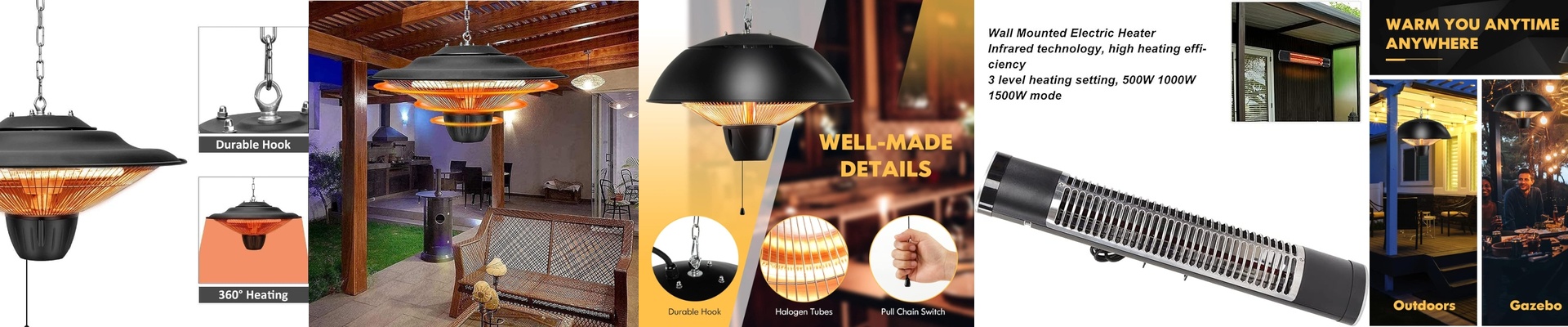

On a cold morning, the last thing you need is a heater that stutters—firing up, then going quiet right when your hands are numb. That hesitation usually traces back to a component that wasn’t worked hard enough before it left the line. We don’t roll that way. Every desktop infrared heater gets a full-power aging burn-in before it ever gets boxed.
What actually matters under the hood
Our desktop infrared heaters run on a quartz-tube element, putting out radiant heat that warms people and objects directly, not the air around them. The payoff is immediate comfort with very little noise. You get a standard 120V plug and a footprint that fits on a desk, workbench, or nightstand without crowding. A built-in thermostat keeps the heat steady, and tip-over protection kills the unit if it gets knocked over.
Why the burn-in makes the difference
The 100% full-power aging test is exactly why the heater turns on and holds output, cycle after cycle. We run each unit at full load to expose early-life weak spots—loose connections, marginal parts, or inconsistent solder joints—before they ever leave the bench. That process keeps our defect rate down and helps the heater stay consistent over time. In practical terms, fewer replacements and less downtime when the weather turns.
What to keep in mind with infrared
Infrared heat is directional. Point the beam at your torso and hands, and you’ll feel it fast. It’s not meant to be the sole heat source for an entire room; for bigger spaces, it works best paired with ambient heating. Also, the exterior surface stays cooler than many convection heaters, but the element itself gets very hot. Keep the unit clear of fabrics and other flammables.