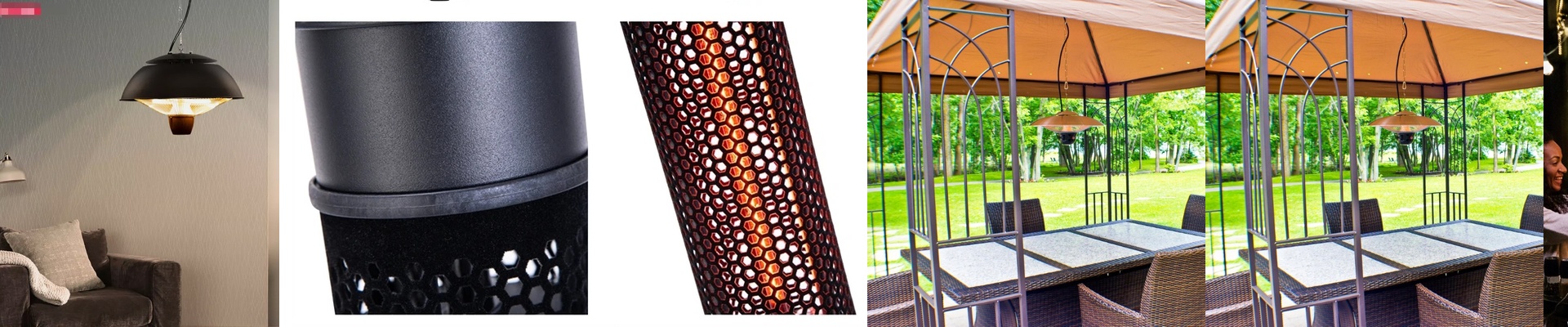
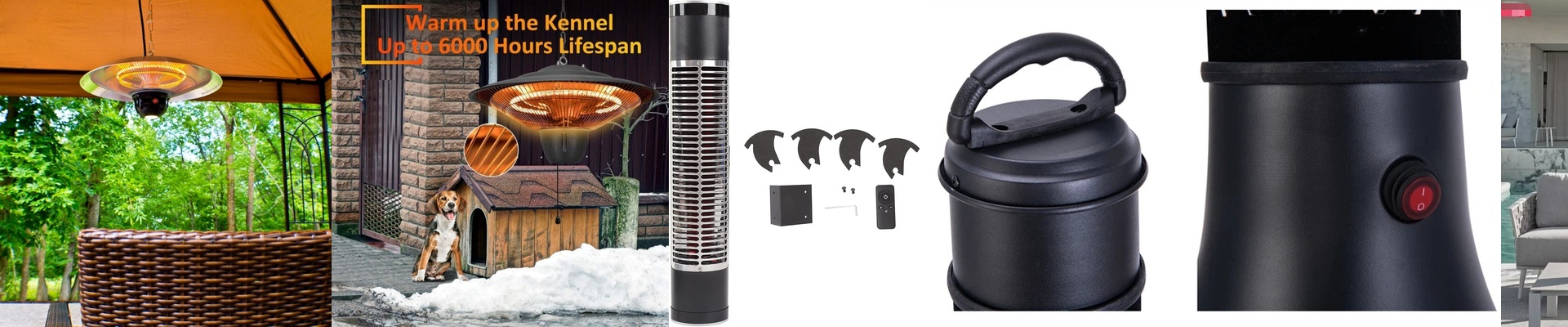

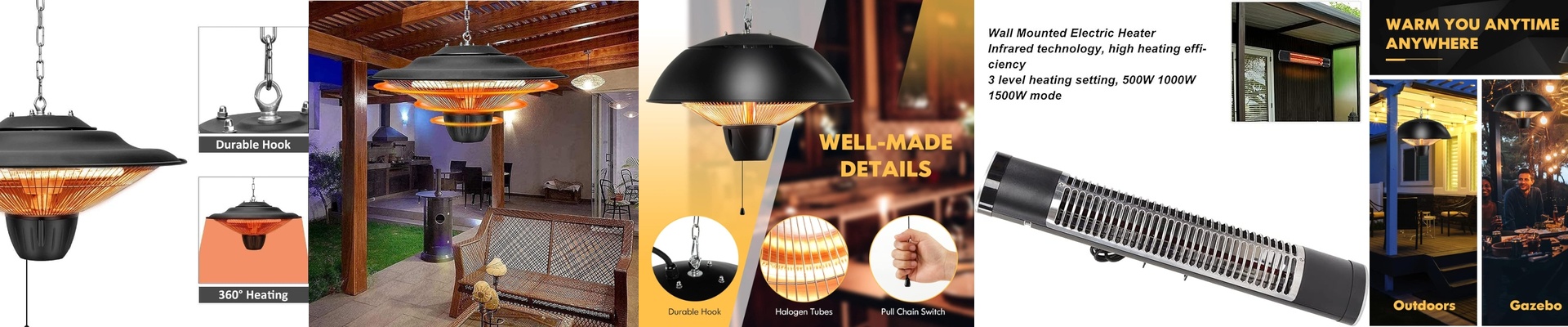
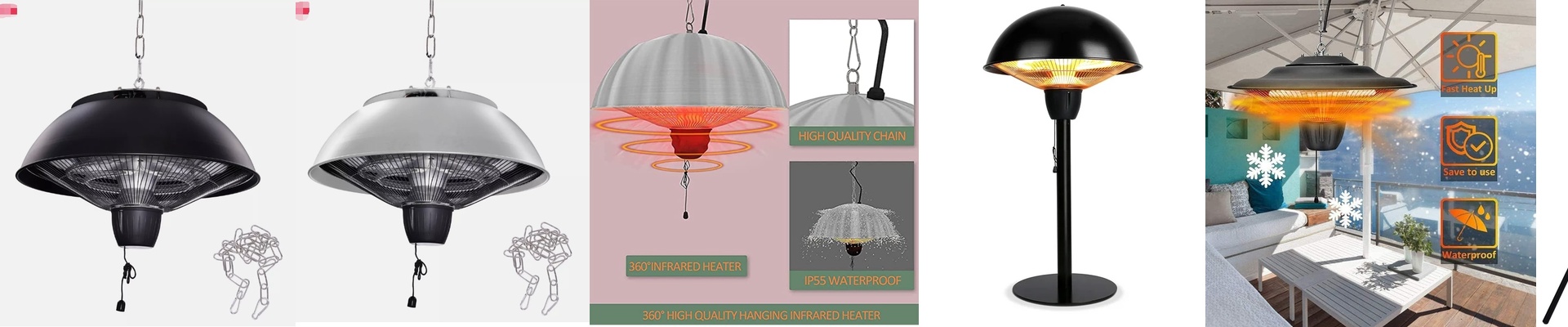

A cool evening can kill the vibe fast when your patio or workshop turns into an icebox. Most heaters warm the air, not the people in it, and you end up waiting around for comfort that never shows up. The fix is radiant warmth—infrared heat that works the way the sun does, sending the heat straight to you instead of through the air.
What matters under the hood
A 3-phase electric heater pairs a solid power setup with infrared elements that deliver immediate, directional warmth. Infrared heaters use quartz tubes or carbon fiber elements to emit short- and medium-wave energy, and the feel is like standing in sunlight. With a 3-phase supply, the unit draws balanced current. That keeps performance stable and high-output without hammering a single leg of your electrical system. You get faster warm-up, consistent output, and the ability to run longer without cycling on and off.
Why this feels right in practice
This is the kind of warmth that helps you settle in—or keep working. Infrared energy penetrates the skin’s surface, which encourages local circulation and can make muscles and joints feel looser. If your joints stiffen up in the cold, that direct, sun-like warmth can ease discomfort and cut down on fatigue, whether you’re lingering outside or pushing through shop tasks. Because it’s radiant, you feel the heat the moment the unit fires up. No waiting for air to warm, no drafts—just steady comfort.
The practical details you can’t skip
A 3-phase electric heater needs a proper 3-phase outlet and a dedicated circuit. This isn’t plug-and-go. Plan on professional installation, the right wire gauge, and a thermostat that matches the unit’s rating. For outdoor use, check the IP rating so it’s matched to moisture exposure, and aim the heater to direct warmth where you actually sit or work. Infrared heat is efficient, but it warms people and objects directly, so in very open, windy spots it can make sense to pair it with a gentle ambient backup.