

Off-grid living feels liberating—until the sun drops and the cabin turns brittle. You can pile on blankets, or you can fire up a generator that wakes the whole valley and burns through fuel fast. So here’s the practical question: can an infrared electric heater actually team up with a solar PV setup to deliver real energy independence?
What matters, technically
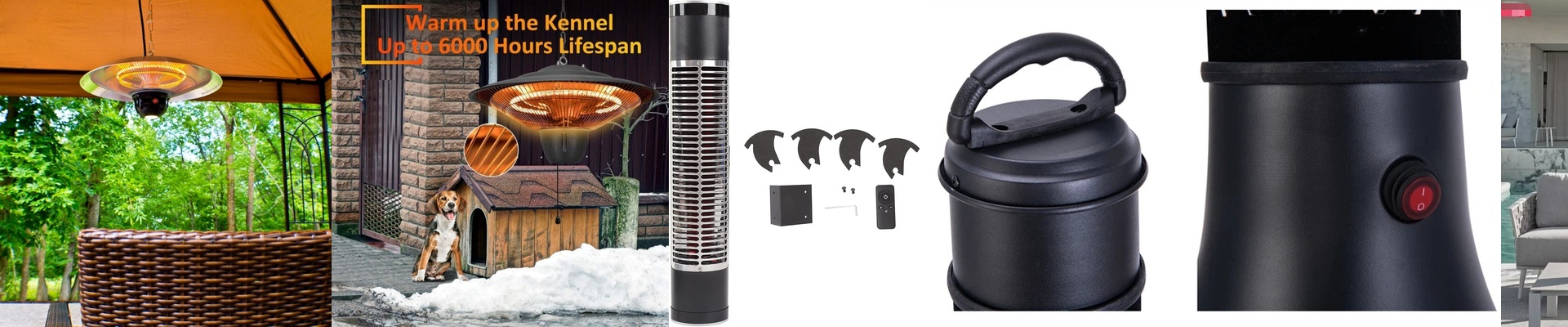
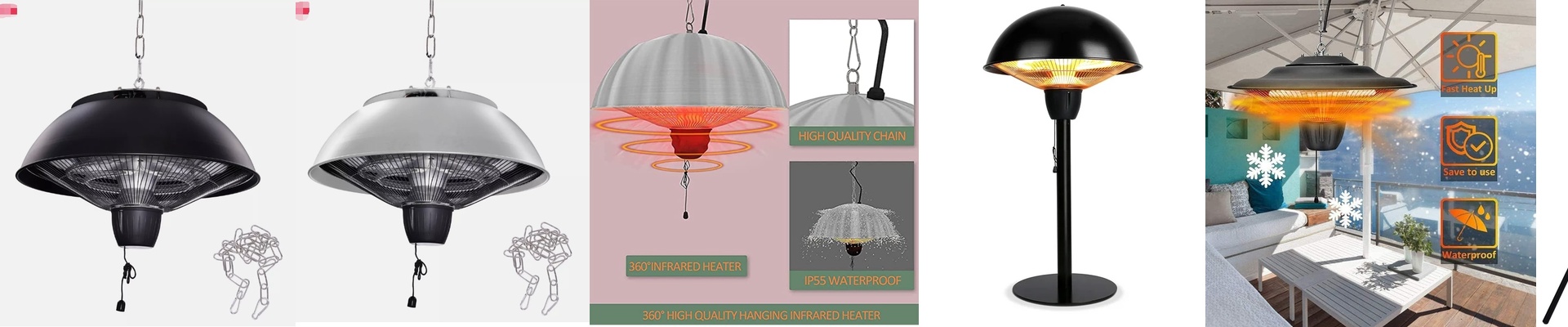
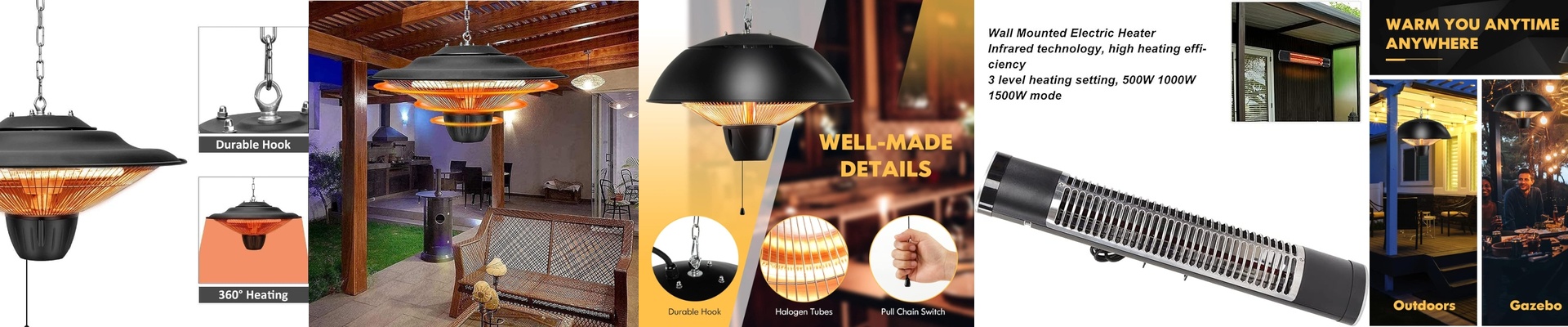
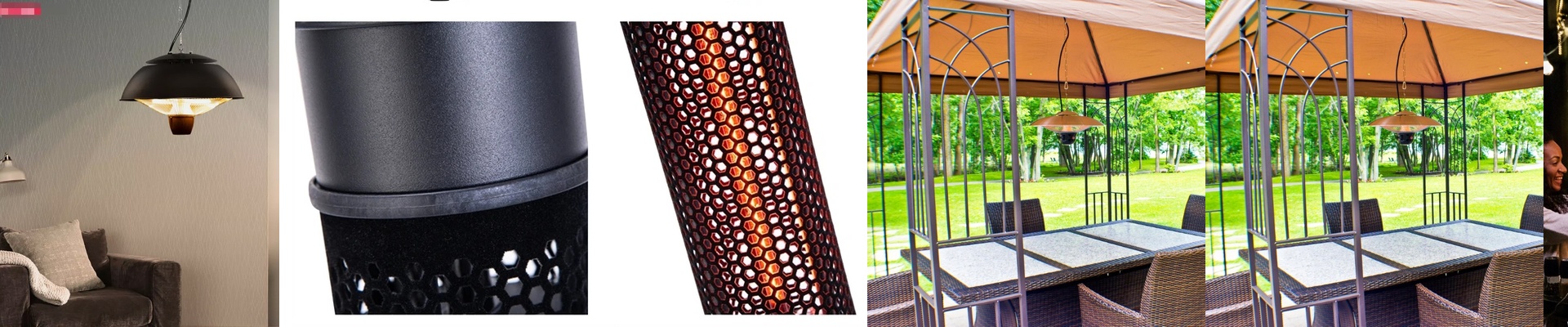
We build our high-end electric heaters around radiant infrared elements—usually carbon fiber or high-purity quartz tubes. They heat the way the sun does: direct warmth onto people and surfaces, not by wasting time heating the air first. In real life, you feel comfort within seconds, not after waiting around. The electrical draw stays friendly for solar. Many models run on standard 120V or 240V circuits, pulling roughly 1,500W to 3,000W. Add an integrated thermostat and tip-over protection, and you get controllable warmth with a safety baseline you can count on.
Why this pairing works
Solar plus battery is great at storing energy, but it still runs on a daily rhythm. Infrared electric heaters fit that rhythm because they turn electricity into usable warmth with minimal waste, and they deliver comfort on demand. When you size the off-grid PV array correctly, a 1,500W heater can run for several hours on stored energy without asking your battery bank to carry the whole evening. For a lot of off-grid homes, that means meaningful self-sufficiency—enough to cover the core evening comfort window, especially if you pair it with solid insulation and zoning.
The details you can’t skip
This combo works, but only if you plan it. Heat load is real: a drafty room makes the whole system work harder. Start by sizing your PV and battery for winter production and nighttime demand, then match the heater to the space you actually use. And remember, infrared warms people and objects directly, so you can feel cozy at a lower air temperature. That comfort advantage is genuine, but it doesn’t replace sealing gaps and managing air exchange. Get a heater with the right voltage, run the install to code, and you’ll have warmth that keeps up with your solar—quiet, clean, and on your schedule.