

Why engineers (and new parents) swear by infrared baseboard heaters
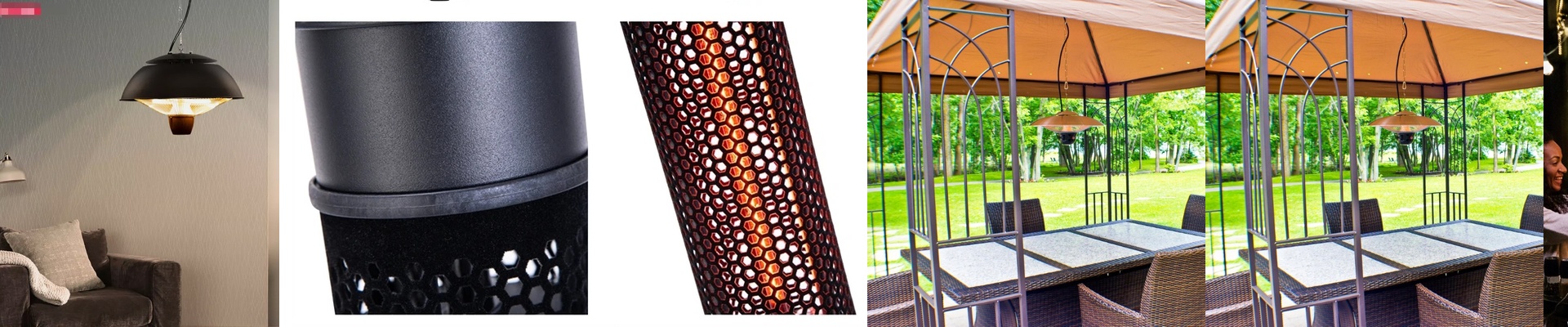
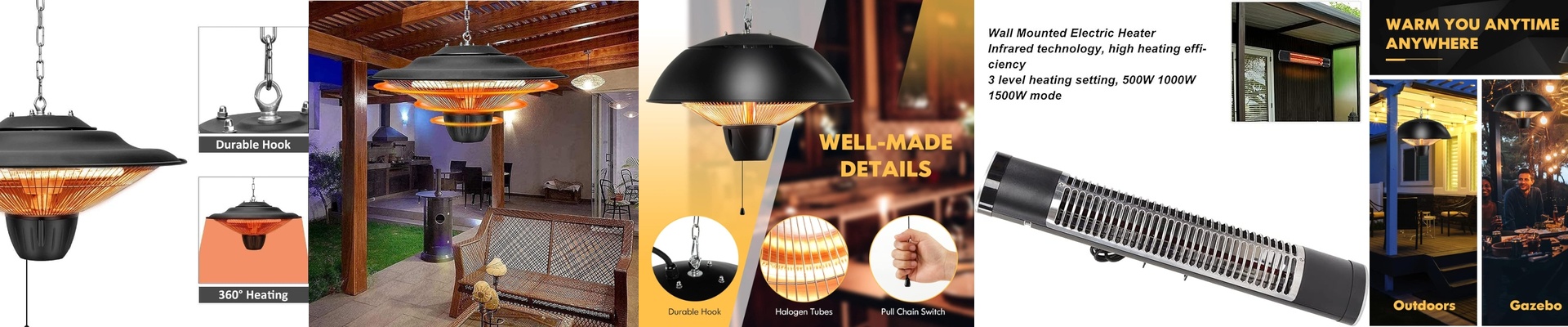
We designed these baseboard heaters for places where safety and reliability can’t be compromised—especially when there are babies in the room. Our infrared heaters give you targeted warmth without burning up oxygen or kicking dust around. It’s pretty simple how it works: inside a sealed quartz tube, a high-powered halogen element radiates heat straight onto people and objects, not the air around them.
Power, voltage, and the heat you actually feel
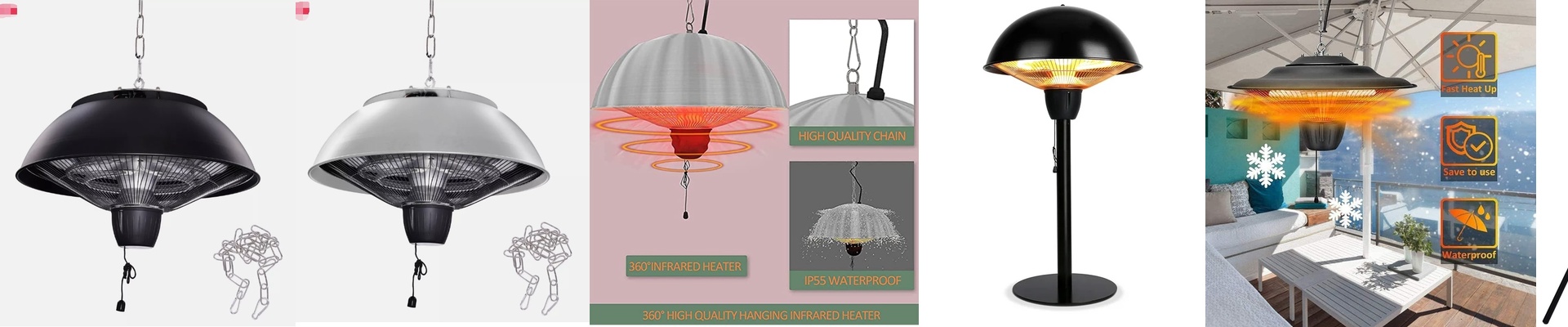
We built these for steady, high-density output. The heart is a shortwave infrared halogen tube, made to run on standard voltage and deliver consistent radiant energy with a quick response. You get heat that builds predictably and responds the way you want. Whether it’s hardwired or plugged in, you can control it with confidence. And the baseboard shape spreads the heat along the wall, so you don’t get hot spots. Here’s the catch: because the heat is dense, you do need to match the heater to the room’s size and insulation. If the space is well-insulated, you might need to tweak the wattage or add another unit to keep things even.
The build: quartz, halogen, and zero oxygen burned
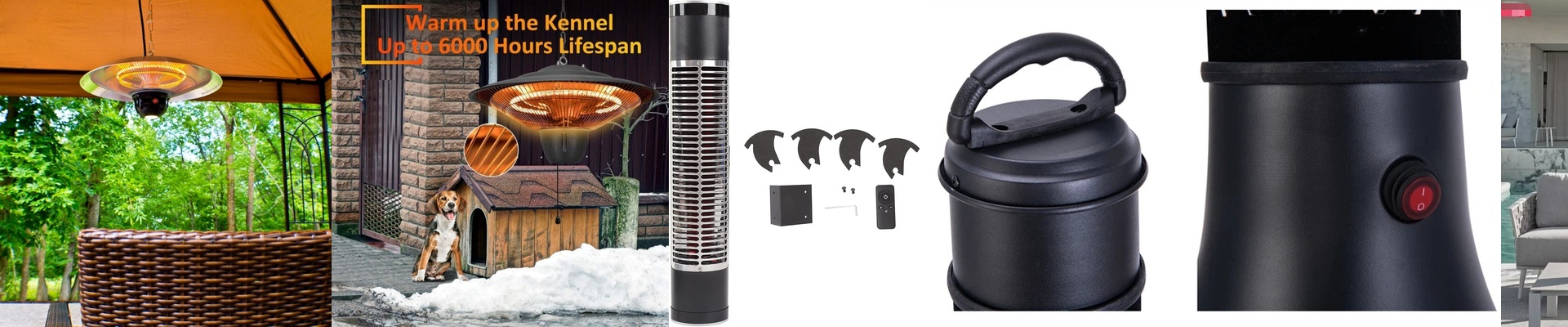
We chose quartz for the tube because it handles thermal shock well and transmits infrared beautifully. Inside, the halogen cycle keeps the filament stable over time—so the heater lasts longer and keeps delivering steady output. Because the whole thing is sealed, it doesn’t consume oxygen when it runs. No combustion. No dry air. And no risk of carbon monoxide. We use an R7s connector for a solid, low-resistance connection that stays tight even as the unit heats and cools. The housing is compact, protects the tube, and makes mounting straightforward. It’s a drop-in solution built to hold up.
What it feels like in real life: quiet, clean, and safe
Places with infants need warmth that doesn’t make noise or stir up the air. Infrared baseboard heaters give you silent warmth—no fan, no air movement—so dust and allergens stay put. They’re a natural fit for bedrooms, nurseries, and medical spaces where air quality and oxygen levels matter. For engineers, the appeal is practical: installation is straightforward, the thermal behavior is predictable, and maintenance stays simple. If you want heat that’s quiet, oxygen-free, and easy to spec and wire, this is the setup that gets the job done without the fuss.