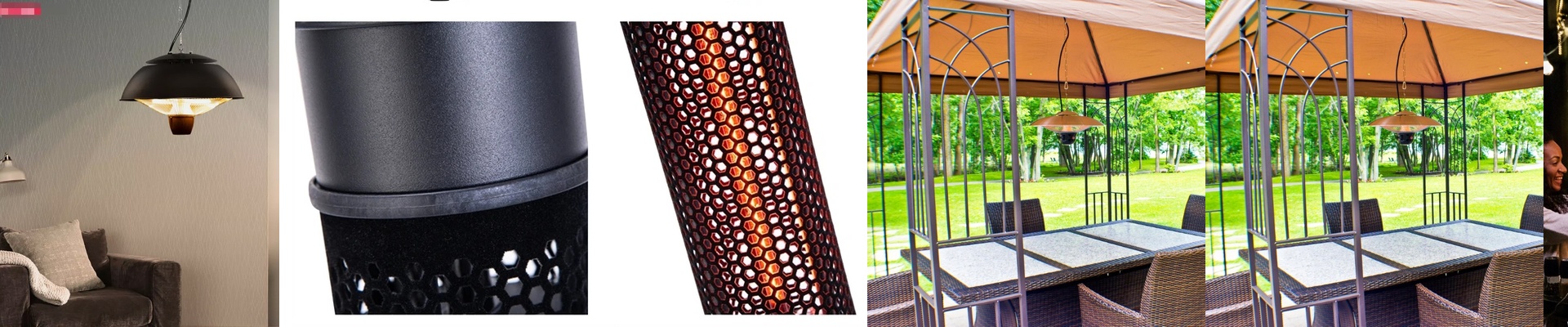
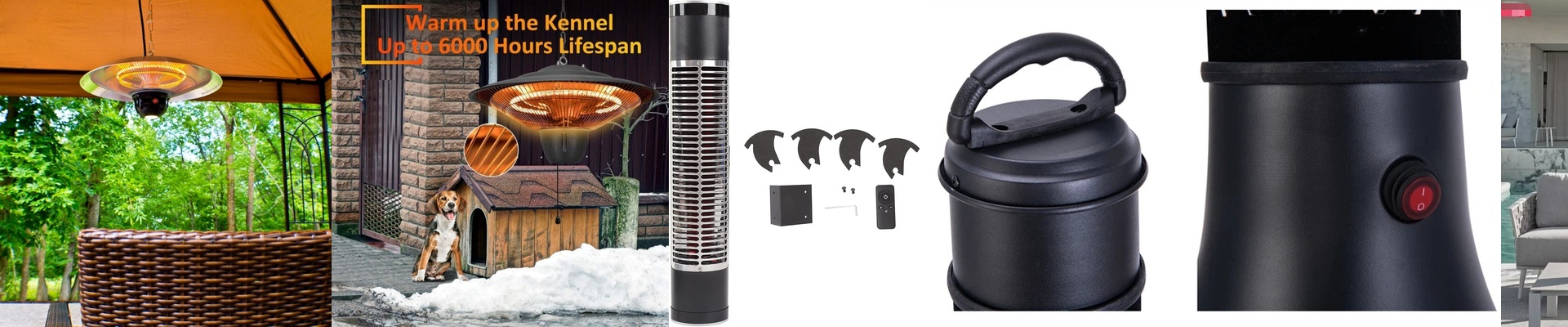

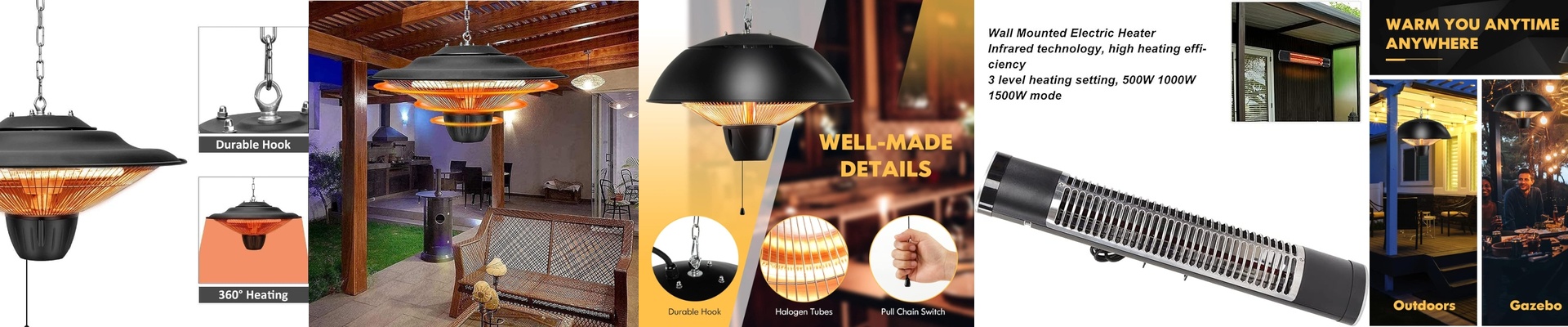
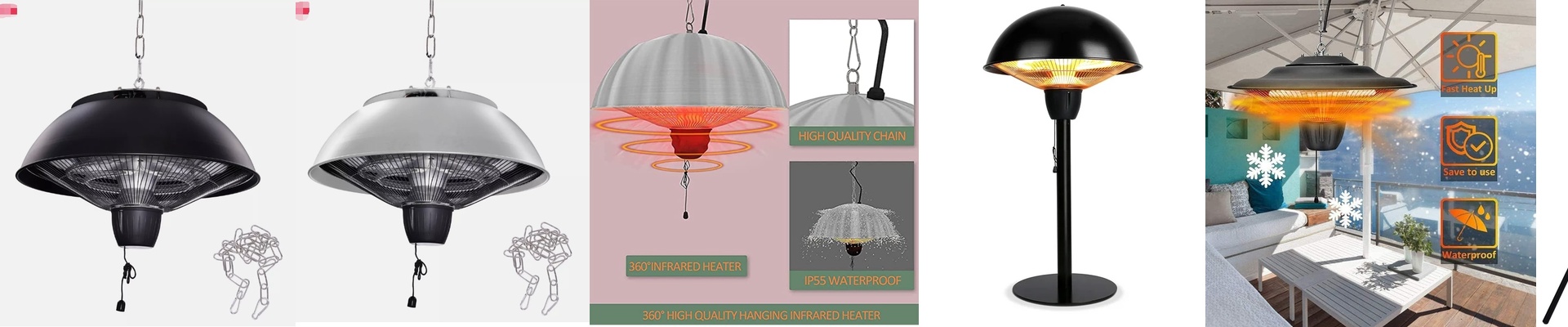

Infrared Electric Fireplace Heaters: The Gentle Warmth Protectors for Art Galleries and Museums
Picture this: you’re standing in a gallery, surrounded by priceless art. The room feels just right—warm, but not stuffy. You don’t feel any drafts, and you certainly don’t worry that the heat is harming the delicate canvases or ancient artifacts. That’s the kind of peace of mind we build into our infrared electric fireplace heaters. Because when you’re heating a space where every brushstroke and relic matters, comfort can’t come at the cost of preservation.
How it works: Warmth that respects the room
Here’s the thing about traditional heating systems. They blast warm air around, creating drafts and temperature swings that can be brutal on organic materials. Wood cracks. Pigments fade. It’s a silent, slow disaster. Our infrared Heaters work differently. They use radiant heat, which feels a lot like standing in a patch of sunlight. The warmth goes directly to objects and people, not the empty air in between. The result? A steady, draft-free space. The air temperature stays consistent, and the delicate pieces on the walls stay safe. It’s warmth that’s focused and controlled, hitting exactly where it’s needed.
Built from the inside out for total safety
At the heart of these heaters is a high-quality quartz tube housing a halogen element. It’s a simple, solid design, but it’s what makes the magic happen. The quartz is tough enough to handle sudden temperature changes, and the halogen element gives off a clean, steady heat. But the real hero? The protective coating on the tube that filters out harmful UV radiation. We all know UV speeds up the aging and degradation of art and textiles. This coating puts a stop to that. Plus, the connectors are engineered for a secure, low-resistance connection, so you can count on them working reliably, over and over again.
What it feels like in a real gallery
When you install these heaters, you get precise control over the micro-climate around each exhibit. And because the system doesn’t move air, it also stops dust and airborne contaminants from spreading. That’s a huge win for sensitive environments. You can keep the overall room temperature a little lower, which saves energy and is better for the collection, while still making sure visitors feel perfectly comfortable. Now, there is one thing to keep in mind. The heat is directional. So you’ll want to plan the placement carefully to make sure everything gets even coverage. But for the people tasked with protecting priceless collections, that level of control is exactly what they’re after. It’s a reliable, focused solution for a job that has zero room for error.