
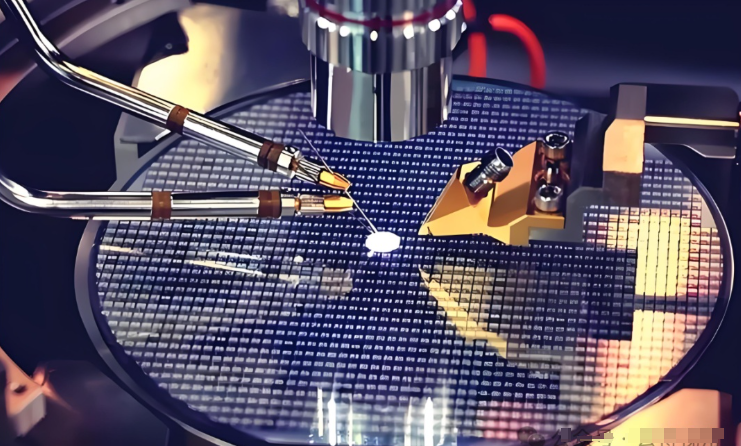
On the fab floor, a lithography line that runs 24/7 doesn’t give you any slack on thermal drift. Push the soft bake just 2°C off target, and the photoresist profile shifts. Critical dimension control starts to slip, yield takes a hit, and the scheduler is forced into an unplanned stop. In high-volume photovoltaic wafer processing, the thermal budget isn’t a guideline—it is the process. What matters under the hood We built this photovoltaic silicon wafer heater around repeatable temperature delivery. You get ±0.1°C uniformity across the wafer, and setpoint stability that stays locked within tight tolerance. Short-wave infrared elements deliver fast, clean energy transfer, and the quartz-based thermal design keeps outgassing and particles under control. It fits cleanrooms from Class 1 to Class 100 and drops straight into standard semiconductor equipment interfaces. For photoresist bake—soft bake and hard bake—the control algorithm holds the entire bake curve, not just the peak, so solvent removal and polymer crosslink happen the same way, batch after batch. Why it holds up in production You measure the value in uptime and scrap. This system is engineered for continuous operation with zero unplanned downtime. Components are chosen for long life, and the thermal stack is decoupled from mechanical stress to cut down on fatigue failures. When the process repeats, qualification lots drop, changeovers move faster, and CD performance stays stable across shifts. Efficient heating and low standby losses keep energy use in line, which matters when you’re running hundreds of wafers a day. What you need to plan for Installation comes down to matching exhaust and cooling. If you don’t remove heat properly, the control loop will chase drift. We provide interface drawings and a cleanroom-compatible mounting plan, but you still need to verify coolant flow and exhaust pressure on site. Match the voltage and connector specs to the host platform, and schedule maintenance windows around the 24/7 cadence—because in semiconductor manufacturing, the line never stops.
במכון הייצור, קו ליתוגרפיה הפועל 24/7 אינו מאפשר שגיאות בשל הטייה תרמית. הזזת אפיית ה־soft bake ב־2°C בלבד מהמטרה תשנה את פרופיל הפוטורזיסט. השליטה בממדים הקריטיים מתחילה להתערער, התפוקה נפגעת, ומתזמן הייצור נאלץ לעצור את הקו שלא כמתוכנן. בעיבוד וופרים פוטוולטאיים בהיקף גבוה, התקציב התרמי אינו המלצה – הוא התהליך עצמו.
מה שחשוב מתחת למכסה המנוע
בנינו את מחמם הוופרים הסיליקוניים הפוטוולטאיים סביב אספקת טמפרטורה שניתנת לחזרות. התוצאה היא אחידות של ±0.1°C על פני כל הוופר, ויציבות נקודת היעד שנשמרת בתוך סף סובלנות הדוק. אלמנטים באינפרה־אדום גל קצר מספקים העברת אנרגיה מהירה ונקייה, והעיצוב התרמי מבוסס הקוורץ שומר על שליטה בפליטת גזים ועל חלקיקים במינימום. המערכת מתאימה לחדרי נקיון מדרגת Class 1 עד Class 100 ומשתלבת ישירות בממשקי ציוד תקניים לתעשיית המוליכים למחצה. באפיית פוטורזיסט – אפיית soft bake ו־hard bake – אלגוריתם הבקרה שומר על כל עקומת האפייה, לא רק על השיא, כך שהסרת הממס ויצירת הקשרים הפולימריים מתבצעות באותו האופן, אצווה אחרי אצווה.
מדוע המערכת שומרת על ביצועים בייצור
הערך נמדד בזמן פעולה ללא תקלות ובכמות הפסולת. מערכת זו מתוכננת לפעולה רציפה ללא עצירות לא מתוכננות. הרכיבים נבחרו לאורך חיים ממושך, והסטאק התרמי מנותק מלחצים מכניים על מנת להפחית כשלי עייפות. כאשר התהליך חוזר על עצמו, אצוות הזכאות מצטמצמות, החלפות סדרות מתבצעות במהירות רבה יותר, וביצועי ה־CD נשמרים יציבים לאורך משמרות. חימום יעיל ואובדני עמידה נמוכים שומרים על צריכת אנרגיה במדויק, דבר משמעותי כשמדובר בהפעלת מאות וופרים ביום.
מה שעליך לתכנן מראש
ההתקנה תלויה בהתאמת מערכת הפליטה והקירור. אם לא מסירים חום בצורה תקינה, לולאת הבקרה תגיב לדופים תרמיים. אנו מספקים שרטוטי ממשק ותוכנית התקנה שתואמת לחדר נקי, אך עדיין יש לאמת את זרימת הקירור ולחץ הפליטה באתר. יש להתאים את המתח ופרטי המחבר לפלטפורמת המארח, ולתזמן חלונות תחזוקה בהתאם לקצב העבודה 24/7 — שכן בתעשיית המוליכים למחצה, הקו לא מפסיק לפעול.