



Stop Your Bio-Sensor Gear From Overheating
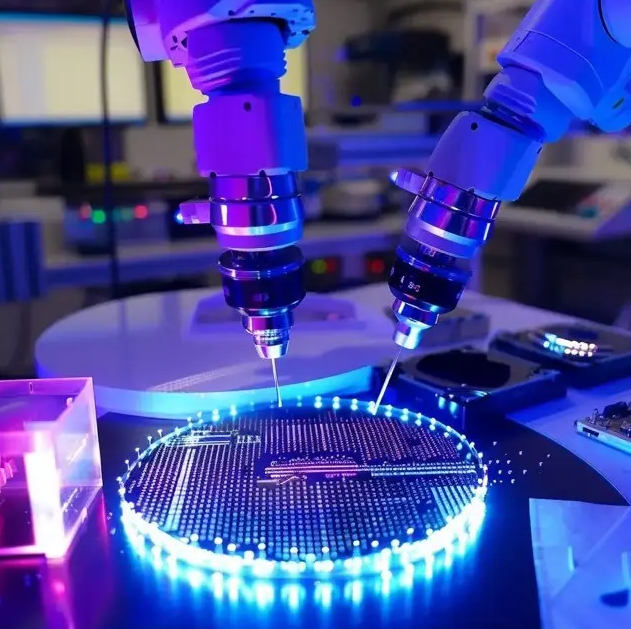
When you’re building bio-sensors, getting the temperature just right is everything. But there’s a annoying problem with standard infrared lamps: they blast heat in every single direction. In a cramped semiconductor machine, that heat doesn’t just go where you want it. It hits the inner walls. Suddenly, you’ve got “hot walls.” It’s a nightmare. Your operators get burned, and your expensive chassis starts to warp. Not great. How we fix the heat leak We handle this by shifting to directional infrared tech. Instead of just using a bare quartz tube and hoping for the best, we add reflective shielding and specific emitters. Think of it like a flashlight instead of a lightbulb. It pushes the thermal energy forward, right onto the substrate, and keeps it away from the machine’s casing. You get the heat density you need on the wafer, but the rest of the chamber doesn’t turn into an oven. Cooler machines, happier people Since the heat is moving in one direction, your cooling fans don’t have to work nearly as hard. This is the best part: you can crank up the fabrication temperature, but the outside of the machine stays cool to the touch. If your team has to reach into the tool all day, that’s not just a “nice to have”—it’s a necessity. The catch (because there’s always one) Now, these lamps aren’t a magic fix. Because the beam is so focused, you end up with a tighter “hot spot.” If your substrate is off-center or your conveyor belt drifts even a little, you’ll get uneven heating across the sensor. It’s all about the focal distance. Too close? You scorch the edges. Too far? You lose all the benefits of the shield. Before you bolt those mounting brackets down, do yourself a favor and map out your thermal profile. It’ll save you a lot of headaches later.